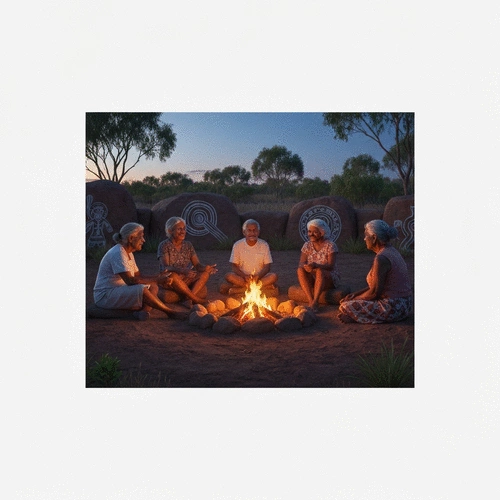
In 2008, the Australian government took a monumental step towards healing by formally apologizing for the injustices faced by the Stolen Generations. This acknowledgment of past wrongs is just the beginning of a journey towards understanding, reconciliation, and respect for Aboriginal history and culture. Are you ready to uncover the profound lessons that emerge from this historical narrative?
What You Will Learn
- The Stolen Generations refers to Aboriginal children forcibly removed from their families between 1910 and 1970, resulting in enduring trauma.
- Government policies aimed at assimilation had devastating effects, including loss of cultural identity and familial bonds.
- Key historical events, such as the Bringing Them Home Report, highlight the need for ongoing dialogue about reconciliation.
- Acknowledging historical injustices fosters awareness, empathy, and advocacy for Aboriginal rights and well-being.
- Truth-telling initiatives within Aboriginal communities can restore trust and guide necessary policy changes.
- Collective memory shapes cultural identity for future generations, inspiring them to advocate for justice and equity.
The Stolen Generations: Milestones and Impact
Key events and their ongoing repercussions are represented below, highlighting the journey toward reconciliation. For a broader understanding of significant historical moments, explore our Aboriginal history key events timeline.
Historical Overview
Defining the Stolen Generations (1910-1970)
- Forced removal of Aboriginal children.
- Profound loss of cultural identity and family connection.
- Ongoing trauma and disconnection from heritage.
Key Policies
Government Policies & Displacement
- Aboriginal Protection Boards.
- Children classified as wards of the state.
- Establishment of missions and reserves.
Pivotal Events
Key Events & Milestones
- Systematic child removal in early 20th century.
- The '60s Scoop.
- 1997: Bringing Them Home Report.
Road to Reconciliation
The National Apology (2008)
- PM Kevin Rudd acknowledges wrongdoings.
- Recognizes ongoing effects on communities.
- Commitment to improving Aboriginal lives.
Understanding the Stolen Generations: A Historical Overview
The story of the Stolen Generations is a significant chapter in Australian history, reflecting the complexities and challenges faced by Aboriginal communities. It describes the forced removal of Aboriginal children from their families, initiated by government policies aimed at assimilation. Understanding this painful history is essential for fostering respect, reconciliation, and cultural clarity. At the Aboriginal Centre, we are dedicated to promoting insights into these topics, allowing individuals to grasp the depth of this history.

This issue is not just historical; it resonates in the present, influencing the lives of many Aboriginal Australians today. By exploring the Stolen Generations, we can better appreciate the ongoing impact of these policies and the resilience of those affected. Are you ready to dive deeper into this crucial aspect of our shared history?
Defining the Stolen Generations and Their Significance
The term Stolen Generations refers to Aboriginal and Torres Strait Islander children who were forcibly removed from their families by government policies between approximately 1910 and 1970. This tragic practice was based on the belief that assimilation into white society would ensure better opportunities for these children. Unfortunately, the reality was far different, leading to a profound loss of cultural identity and connection to family.
- The removal of children resulted in long-lasting trauma within Aboriginal communities.
- Many of these children never reunited with their families, leading to a disconnection from their heritage.
- The Stolen Generations highlight the need for ongoing dialogue about reconciliation and cultural understanding.
By recognizing the significance of the Stolen Generations, we can foster a deeper respect for Aboriginal culture and history. It is vital to engage with these narratives to promote healing and understanding in contemporary society.
Key Events in the History of the Stolen Generations
Several pivotal events shaped the history of the Stolen Generations, reflecting broader societal attitudes and government policies. From the establishment of the first Aboriginal Protection Boards to the passing of the Aboriginal Protection Act, these milestones illustrate a painful journey. Key events include:
- The introduction of policies in the early 20th century that allowed for the systematic removal of Aboriginal children.
- The infamous ’60s Scoop, where thousands of Aboriginal children were placed in foster care or adopted out.
- The Bringing Them Home Report in 1997, which documented the impact of these policies and called for reparations.
These events not only mark significant points in time but also serve as reminders of the resilience of Aboriginal communities. They encourage us to reflect on how these stories influence contemporary Australian society.
The Role of Government Policies in the Displacement of Aboriginal Families
Government policies played a crucial role in the displacement of Aboriginal families, often justified by a misguided belief in the superiority of Western culture. These policies aimed to control and assimilate Aboriginal peoples, leading to the systematic removal of children. Some significant aspects include:
- Policies that classified Aboriginal people as wards of the state, stripping them of their rights.
- The establishment of missions and reserves where children were removed and raised away from their families.
- The promotion of the idea that Aboriginal culture was inferior and needed to be ‘civilized’.
Understanding these policies is essential for recognizing the historical injustices faced by Aboriginal Australians. It's a step toward healing and building a more equitable future.
Assimilation Policies: A Closer Look at Their Impact
Assimilation policies were, unfortunately, a direct outcome of the government’s response to the Stolen Generations. These policies aimed to integrate Aboriginal peoples into mainstream society, often at the expense of their cultural identities. The impact of these assimilation practices is profound and includes:
- Loss of language and cultural practices among Aboriginal children.
- Disruption of family structures, leading to a breakdown of community bonds.
- Generational trauma that continues to affect Aboriginal people today.
These assimilation efforts are not just historical footnotes; they have ongoing repercussions that require awareness and understanding from all Australians.
The Apology to the Stolen Generations and Its Significance
In 2008, then-Prime Minister Kevin Rudd delivered a historic apology to the Stolen Generations, acknowledging the profound grief and loss endured by Aboriginal families. This apology marked a pivotal moment in Australian history, emphasizing the need for reconciliation and healing. Key points regarding the apology include:
- Acknowledgment of the wrongdoings committed against Aboriginal peoples.
- Recognition of the ongoing effects of these policies on Aboriginal communities.
- A commitment to improving the lives of Aboriginal Australians through policy changes.

This apology was a significant step towards healing and recognition, but it must be coupled with ongoing actions and discussions to ensure that the past is not repeated.
Pro Tip
Did you know? Engaging with the stories of the Stolen Generations is more than just learning history; it’s about recognizing the ongoing effects of these policies today. Consider participating in local cultural events or workshops to deepen your understanding and support Aboriginal communities actively.
Reflecting on the Lasting Impact of the Stolen Generations
Acknowledging the historical injustices faced by Aboriginal Australians, particularly the Stolen Generations, is crucial for fostering healing and understanding. Recognizing these past traumas allows us to honor the voices of those affected and promotes a more equitable society. At the Aboriginal Centre, we believe that reflection is the first step toward reconciliation.
When we understand the pain and resilience of the Stolen Generations, it empowers us to create a future where cultural heritage is celebrated and preserved. This recognition is not just about acknowledging wrongs; it’s about paving the way for positive change and healing within our communities.
The Importance of Acknowledging Historical Injustices
To truly heal, we must face our history head-on. Acknowledging the injustices experienced by the Stolen Generations is vital for several reasons:
- Promoting Awareness: Understanding these injustices raises awareness among non-Aboriginal Australians about the struggles faced by Indigenous communities.
- Fostering Empathy: Recognizing the pain of the past helps build empathy and respect towards Aboriginal peoples.
- Encouraging Advocacy: Awareness leads to advocacy for policy changes that support Aboriginal rights and well-being.
As I have seen through my work at the Aboriginal Centre, taking the time to educate ourselves and others on these topics is a step towards meaningful connections and understanding.
How Collective Memory Shapes Future Generations
Collective memory plays a significant role in shaping how future generations understand their identity and culture. The way we remember and discuss the Stolen Generations affects not only those directly impacted but also the broader Australian community. Here are some key points to consider:
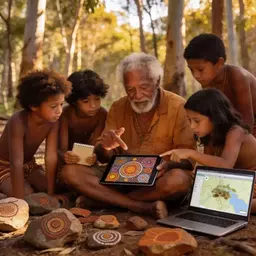
- Passing Down Stories: Sharing stories of the Stolen Generations helps preserve history and culture for younger generations.
- Creating Cultural Identity: Acknowledging our past fosters a strong sense of identity among Aboriginal youth, connecting them to their heritage.
- Inspiring Change: Collective memory can inspire younger generations to stand against injustices and advocate for their communities.
We must ensure that these memories are not forgotten but rather serve as a foundation for a better future.
Truth-telling and Its Role in Healing and Reconciliation
Truth-telling is a powerful tool for healing and reconciliation within Aboriginal communities. It involves openly discussing the impacts of the Stolen Generations and giving voice to those who suffered. The process of truth-telling can lead to several important outcomes:
- Restoring Trust: Open dialogues about the past help restore trust between Aboriginal communities and the wider society.
- Fostering Healing: Sharing personal stories can be healing for individuals and communities, allowing for collective grief and understanding.
- Guiding Policy Changes: Truth-telling can inform policies that better support Aboriginal peoples, ensuring that their voices are included in decision-making processes.
Through my experiences, I have witnessed how truth-telling initiatives can transform communities, leading to renewed hope and empowerment.
Taking Action: Supporting Aboriginal Communities Today
As we reflect on the lasting impact of the Stolen Generations, it’s essential to consider how we can actively support Aboriginal communities today. Each of us has a role to play in fostering reconciliation and respect.
Whether through advocacy, education, or community engagement, every action counts. Let's explore some practical ways individuals can contribute to this vital work.
Ways Individuals Can Contribute to Healing and Reconciliation
There are numerous ways you can take action to support Aboriginal communities. Here are some impactful steps you can consider:
- Educate Yourself: Take the time to learn about Aboriginal culture, history, and the effects of the Stolen Generations.
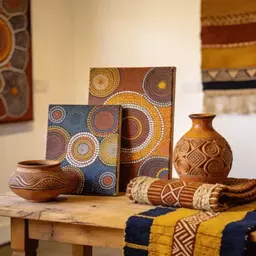
- Support Aboriginal Artists: Buy artwork from Aboriginal artists, which helps sustain cultural practices and provides economic support. For guidance, learn about buying authentic Aboriginal art online.
- Engage in Community Events: Participate in local events that celebrate Aboriginal culture to show your support and connection.
- Advocate for Change: Use your voice to support policies that address systemic injustices facing Aboriginal peoples.
At the Aboriginal Centre, we continually promote such initiatives, encouraging everyone to play their part in this important journey.
Frequently Asked Questions (FAQs)
What are the Stolen Generations?
The Stolen Generations refer to Aboriginal and Torres Strait Islander children who were forcibly removed from their families by government policies between approximately 1910 and 1970. These policies aimed at assimilation, causing profound loss of cultural identity and familial bonds.
What was the purpose of assimilation policies?
Assimilation policies aimed to integrate Aboriginal peoples into mainstream white society, often under the misguided belief that their culture was inferior. This led to the removal of children and the suppression of Aboriginal languages and customs.
When did the Australian government apologize to the Stolen Generations?
Then-Prime Minister Kevin Rudd delivered a historic apology to the Stolen Generations on February 13, 2008, acknowledging the profound grief and loss caused by past policies.
What was the '60s Scoop?
The '60s Scoop was a period, particularly in the 1960s, when a large number of Aboriginal children were forcibly removed from their families and placed in foster care or adopted by non-Aboriginal families, often without proper consent or cultural consideration.
How can I support Aboriginal communities today?
You can support Aboriginal communities by educating yourself on their history and culture, supporting Aboriginal artists and businesses, participating in community events, and advocating for policies that promote Aboriginal rights and well-being.
Resources for Learning More and Getting Involved
If you're looking to dive deeper into supporting Aboriginal communities, numerous resources are available to help you on this journey:
- Books and Articles: Explore literature that covers Aboriginal history, culture, and contemporary issues.
- Documentaries: Watch films that share stories of the Stolen Generations and highlight the resilience of Aboriginal peoples.
- Workshops and Programs: Attend workshops that focus on Aboriginal culture and history, offered by local organizations.
These resources can provide invaluable insights and foster greater understanding within our communities, helping to explain Aboriginal cultural heritage in depth.
Call to Action: Advocating for Policy Changes and Support Systems
As individuals, we must advocate for policy changes that truly support Aboriginal communities. Here are some actions you can take:
- Contact Your Representatives: Reach out to local and national representatives to express your support for policies benefiting Aboriginal Australians.
- Join Advocacy Groups: Get involved with organizations that focus on Aboriginal rights and support.
- Participate in Campaigns: Engage in campaigns that raise awareness of Aboriginal issues and seek to rectify injustices.
Your voice can help shape a future where Aboriginal peoples are heard, respected, and supported.
Understanding the UN Declaration on the Rights of Indigenous Peoples
Finally, it's essential to recognize the UN Declaration on the Rights of Indigenous Peoples and what it represents. This declaration provides a framework for the rights of Aboriginal Australians, advocating for:
- Self-Determination: Empowering Indigenous communities to make decisions that affect their lives.
- Cultural Preservation: Supporting the maintenance and revitalization of Aboriginal cultures and languages. For example, understanding revitalizing Aboriginal languages today is a critical step.
- Land Rights: Acknowledging the connection of Indigenous peoples to their ancestral lands and their rights to manage and protect those areas.
Understanding and promoting this declaration is a vital step in supporting Aboriginal communities and advancing reconciliation efforts.
Recap of Key Points
Here is a quick recap of the important points discussed in the article:
- The Stolen Generations refers to Aboriginal and Torres Strait Islander children forcibly removed from their families between 1910 and 1970.
- Government policies aimed at assimilation led to long-lasting trauma and disconnection from cultural identity.
- Key events such as the ’60s Scoop and the Bringing Them Home Report highlight the historical injustices faced.
- The 2008 apology by Prime Minister Kevin Rudd marked a significant moment for reconciliation and recognition of past wrongs.
- Collective memory and truth-telling are vital for healing and fostering understanding among communities.
- Individuals can support Aboriginal communities through education, advocacy, and participation in cultural events.