The journey of understanding Aboriginal history is not just about dates and events; it’s about connecting with a deep cultural narrative that spans over 65,000 years. What can we learn from this rich tapestry of stories and traditions?
What You Will Learn
- The archaeological evidence from sites like Madjedbebe and Lake Mungo underscores the long-standing relationship between Indigenous Australians and their land.
- The Dreaming is central to Aboriginal culture, communicating spiritual and historical beliefs through stories and songs that define identity and connection to the land.
- Aboriginal languages are crucial for preserving cultural identity, with revitalization efforts ensuring the continuity of over 250 distinct languages.
- Key historical milestones, such as the 1967 Referendum and the Mabo Decision, reflect the ongoing struggles for recognition and rights within Australia.
- Understanding concepts like Terra Nullius is essential in recognizing historical injustices faced by Aboriginal peoples and fostering respectful dialogue about land rights.
- The Reconciliation Movement represents a pivotal shift towards acknowledging and addressing the injustices faced by Aboriginal communities, emphasizing the importance of education and advocacy.
Key Milestones in Aboriginal History
Delve into the significant events shaping Indigenous Australian identity, from ancient occupation to the modern reconciliation movement.
Ancient Occupation
Archaeological evidence suggests Indigenous Australians arrived 65,000 to 50,000 years ago, with key sites like Madjedbebe and Lake Mungo.
British Colonization
The arrival of the First Fleet in 1788 marked a period of land loss and cultural disruption.
1967 Referendum
A turning point, allowing Aboriginal Australians to be counted in census and for Commonwealth to make laws for them.
Mabo Decision (1992)
A landmark legal case that overturned Terra Nullius and recognized the concept of Native Title.
Understanding Aboriginal History: An Overview of Key Events
Aboriginal history is a rich tapestry that stretches back at least 65,000 years. As we delve into the significant milestones that have shaped Indigenous Australian identity, it’s crucial to recognize the archaeological evidence that supports this timeline. Sites like Madjedbebe and Lake Mungo provide insights into how Indigenous Australians have thrived in connection with their lands for millennia.
At the Aboriginal Centre, we strive to share these stories and educate others about the profound depth of Aboriginal history. Understanding this context is essential as we explore the cultural practices that are still vibrant today! You can learn more about Aboriginal art symbols and their meanings.
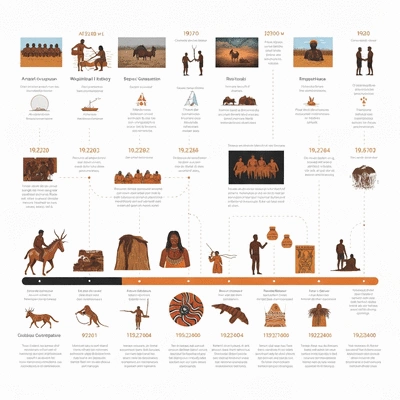
Tracing the Arrival of Indigenous Australians: 65,000 to 50,000 Years Ago
The archaeological findings at various sites across Australia, particularly Madjedbebe and Lake Mungo, suggest that Indigenous Australians arrived on the continent between 65,000 and 50,000 years ago. These locations are significant because they contain some of the oldest evidence of human occupation in the world.
- Madjedbebe: This site features stone tools and evidence of habitation, indicating a long-standing relationship between Indigenous peoples and the land.
- Lake Mungo: Here, the famous Mungo Man and Mungo Lady were discovered, showcasing the ancient burial practices of Indigenous Australians.
- Environmental adaptations: These findings reveal how early Indigenous Australians adapted to their surroundings, utilizing resources sustainably.
Through these archaeological sites, we can see the intricate connections that Aboriginal peoples have with their environment. This history is not just about the past; it shapes contemporary identities and cultural practices.
Significance of the Dreaming in Aboriginal Culture
At the heart of Aboriginal culture lies the concept of the Dreaming, a term that encompasses the spiritual, cultural, and historical beliefs of Indigenous Australians. The Dreaming explains the creation of the world and the connections between people, land, and ancestors.
- Stories and Songs: The Dreaming is communicated through stories and songs, which are passed down through generations, ensuring cultural continuity.
- Connection to Land: It reinforces the belief that land is sacred and imbued with meaning, guiding how Aboriginal peoples interact with their environment.
- Identity Formation: The Dreaming shapes individual and community identities, providing a framework for understanding one's place in the world.
This profound cultural framework serves not only as a historical narrative but also as a living part of Aboriginal identity today. It’s a reminder of the resilience and richness of Indigenous cultures!
The Role of Aboriginal Languages in Cultural Identity
Aboriginal languages play a crucial role in preserving cultural identity and heritage. With more than 250 distinct languages once spoken across Australia, each language carries unique stories, philosophies, and connections to the land.
- Language and Connection: The languages reinforce connections to ancestors, territories, and spiritual beliefs.
- Revitalization Efforts: Many communities are actively working to revive and teach their languages to younger generations, fostering pride and continuity.
- Impact on Identity: Language is a key component of identity; it shapes how individuals and communities express themselves and their cultures.
By understanding and respecting Aboriginal languages, we honor the narratives and traditions that have existed for thousands of years. This acknowledgment strengthens our mission at the Aboriginal Centre to promote cultural clarity and understanding.
Key Historical Milestones in Aboriginal History
As we move through the timeline of Aboriginal history, it’s essential to highlight key milestones that have profoundly impacted Indigenous communities. From ancient times to recent developments, these events reflect the resilience and strength of Aboriginal peoples.
- 1788: British colonization begins, marking a significant shift in the lives of Indigenous Australians.
- 1967 Referendum: A turning point in recognizing Aboriginal rights and inclusion in the Australian constitution.
- Mabo Decision (1992): A landmark legal case that recognized the concept of native title.
These milestones are not merely historical facts; they represent ongoing struggles for recognition, rights, and identity in contemporary Australia. At the Aboriginal Centre, we emphasize the importance of education in understanding these events and their lasting impact. For more on the significance of these events, explore Aboriginal dot painting as a form of storytelling.
From Ancient Occupation to Colonization: 1788 and Beyond
The arrival of the First Fleet in 1788 marked a turbulent chapter in Aboriginal history. The impact of British colonization was immediate and devastating, leading to significant loss of land, dislocation of communities, and disruption of cultural practices.
- Resistance and Resilience: Aboriginal peoples fought to protect their lands and ways of life.
- Intergenerational Impact: The consequences of colonization have reverberated through generations, affecting cultural continuity.
- Modern-Day Struggles: The fight for land rights and recognition continues today, highlighting the enduring legacy of this period.
By reflecting on these events, we can better appreciate the ongoing challenges faced by Aboriginal communities and the importance of advocacy for their rights.
Understanding Terra Nullius and its Implications
Terra Nullius, or "land belonging to no one," was a legal doctrine that justified British claims to land in Australia. This concept ignored the existence and rights of Indigenous Australians, leading to dispossession and marginalization.
Understanding Terra Nullius is vital for recognizing the historical injustices faced by Aboriginal peoples. This awareness is essential in fostering a respectful dialogue about land rights and acknowledging the ongoing impact of these policies.

Post-Colonial Developments: Key Events from the 20th to 21st Century
The late 20th and early 21st centuries have seen significant milestones in the journey toward reconciliation and rights recognition for Aboriginal Australians. Events like the 1967 Referendum, the Mabo decision, and the Uluru Statement from the Heart have shaped contemporary discussions about justice and equality.
- 1967 Referendum: Allowed Aboriginal Australians to be counted in the census and for the Commonwealth to make laws regarding them.
- Mabo Decision: Acknowledged the Traditional Land Rights of the Meriam People, overturning the doctrine of Terra Nullius.
- Uluru Statement from the Heart: A call for constitutional reforms and recognition of Aboriginal peoples in the Australian Constitution.
These events represent a turning point, emphasizing the need for ongoing dialogue and action toward genuine reconciliation. At the Aboriginal Centre, we are dedicated to sharing these milestones to foster a better understanding of Aboriginal history.
The Stolen Generations: A Reflection on Impact
The history of the Stolen Generations is a painful chapter in Australia’s past, where Aboriginal children were forcibly removed from their families under government policies. This practice has had lasting effects on individuals, families, and communities.
- Loss of Culture: The removal of children disrupted the transmission of cultural knowledge and practices.
- Trauma and Healing: Many individuals continue to experience trauma from their experiences, highlighting the need for healing processes.
- Recognition and Awareness: Acknowledging this history is crucial for fostering understanding and reconciliation.
By reflecting on the experiences of the Stolen Generations, we engage in critical conversations about healing and the importance of cultural continuity. This understanding is at the heart of our mission at the Aboriginal Centre.
Interactive Poll: Your Thoughts Matter!
As we explore the rich tapestry of Aboriginal history, we want to hear from you! What aspect of Aboriginal culture or history resonates with you the most? Share your thoughts below:
Reflecting on the Rich Tapestry of Aboriginal History
The story of Aboriginal cultures is one of remarkable continuity and change. For over 65,000 years, these cultures have thrived, adapting to new challenges while holding steadfastly to their deep-rooted traditions. This ongoing journey is a testament to the resilience and strength of Aboriginal peoples. As we reflect on this rich tapestry, we can appreciate how Aboriginal cultures not only survive but also flourish amidst the evolving societal landscape.
Within this dynamic context, it’s essential to recognize the intricate ways that Aboriginal peoples maintain their cultural identity. By engaging with both ancient practices and contemporary expressions, they contribute to a living history that is vibrant and relevant today. This balance of tradition and innovation is what keeps their cultures alive and accessible to future generations.
Understanding the Continuity and Change in Aboriginal Cultures
Aboriginal cultures are deeply intertwined with the land and its stories. As I often share with visitors at the Aboriginal Centre, these cultures are not static; they are continuously evolving. Here are some key aspects of how Aboriginal cultures adapt while preserving their heritage:
- Connection to Country: The relationship with the land remains central, guiding cultural practices and beliefs.
- Language Revitalization: Efforts to revive and promote Aboriginal languages are crucial for cultural continuity.
- Artistic Expressions: Contemporary Aboriginal art serves as a powerful medium for storytelling and cultural expression.
- Cultural Education: Initiatives like workshops and community programs foster understanding and respect for Aboriginal traditions.
These elements showcase how Aboriginal cultures not only honor their past but also embrace the opportunities of the present. Engaging with this living heritage allows us to appreciate the richness of Aboriginal identity.
Exploring the Reconciliation Movement and Indigenous Rights
The Reconciliation Movement in Australia represents a critical shift towards recognizing and addressing the historical injustices faced by Aboriginal peoples. This movement has sparked significant dialogue and action aimed at fostering respect, understanding, and justice. Key developments include:
- Public Acknowledgment: Increasing recognition of the impacts of colonization and the need for healing.
- Legislative Changes: Efforts to implement laws that protect Indigenous rights and land.
- Community Initiatives: Grassroots movements advocating for Indigenous voices and participation in decision-making processes.
- Educational Programs: Increasing awareness through cultural education in schools and communities.
As we navigate this journey towards reconciliation, it's vital to listen to Indigenous voices and reflect on how we can actively support these efforts. At the Aboriginal Centre, we strive to promote discussions that honor this ongoing relationship and the contributions of Indigenous Australians. Discover more about how Aboriginal spirituality underpins these movements.
Encouraging Further Exploration and Learning
As you explore the depths of Aboriginal history, I encourage you to take steps to educate yourself and others. Here are some ways you can engage with this vital cultural narrative:
- Visit Cultural Centers: Explore places like the Aboriginal Centre to learn firsthand from cultural educators.
- Support Indigenous Artists: Purchase art and crafts directly from Aboriginal creators to support their work.
- Participate in Workshops: Attend events that focus on Aboriginal culture, language, and art.
- Engage with Literature: Read books and articles authored by Indigenous writers to gain deeper insights.
By taking these steps, not only do you deepen your understanding of Aboriginal histories, but you also contribute to the ongoing journey of reconciliation and respect. Let’s continue this conversation together and celebrate the incredible richness of Aboriginal culture!
Recap of Key Points
Here is a quick recap of the important points discussed in the article:
- Aboriginal history spans over 65,000 years, with significant archaeological sites like Madjedbebe and Lake Mungo revealing the long-standing connection of Indigenous Australians to their land.
- The Dreaming is central to Aboriginal culture, encompassing spiritual beliefs, cultural identity, and connection to the land through stories and songs.
- Over 250 distinct Aboriginal languages exist, playing a crucial role in preserving cultural identity and heritage, with ongoing revitalization efforts in many communities.
- Key milestones in Aboriginal history include the British colonization in 1788, the 1967 Referendum, and the Mabo Decision, each representing significant struggles and advancements for Indigenous rights.
- The Stolen Generations reflect a painful chapter in history, emphasizing the need for recognition, healing, and cultural continuity.
- The Reconciliation Movement is vital for acknowledging and addressing historical injustices, fostering understanding, and promoting Indigenous rights.
- Engaging with Aboriginal culture through visits to cultural centers, supporting Indigenous artists, and participating in workshops can deepen understanding and respect for this rich heritage.
Frequently Asked Questions About Aboriginal History
How far back does Aboriginal history stretch?
Aboriginal history stretches back at least 65,000 years, supported by archaeological evidence from sites like Madjedbebe and Lake Mungo.
What is the significance of "The Dreaming" in Aboriginal culture?
"The Dreaming" is central to Aboriginal culture, encompassing spiritual, cultural, and historical beliefs. It explains the creation of the world and the connections between people, land, and ancestors through stories and songs.
Why are Aboriginal languages important?
Aboriginal languages are crucial for preserving cultural identity and heritage. Each of the over 250 distinct languages carries unique stories, philosophies, and connections to the land, reinforcing cultural continuity.
What were some key historical milestones for Aboriginal rights?
Key milestones include the 1967 Referendum, which allowed Aboriginal Australians to be counted in the census, and the Mabo Decision (1992), which overturned Terra Nullius and recognized Native Title.
What is "Terra Nullius" and why is it important to understand?
Terra Nullius, meaning "land belonging to no one," was a legal doctrine used to justify British claims to land in Australia, ignoring Indigenous Australians' existence and rights. Understanding it is vital for recognizing historical injustices and fostering respectful dialogue about land rights.
What is the Reconciliation Movement?
The Reconciliation Movement is a pivotal shift in Australia towards acknowledging and addressing the historical injustices faced by Aboriginal peoples. It emphasizes education, advocacy, and fostering mutual respect and understanding.