As we navigate the complexities of Aboriginal identity, we uncover not just a history, but a vibrant culture that continues to evolve. What does it truly mean to embrace such a rich heritage? Here are the key insights that will deepen your understanding.
What You Will Learn
- Aboriginal identity is diverse, encompassing over 250 language groups, each with unique customs and stories.
- Key components of identity include language, kinship, and a deep connection to land, evolving through time and experience.
- Heritage plays a crucial role in cultural continuity, linking individuals to their ancestors and ensuring the preservation of traditions.
- Colonization has significantly impacted Aboriginal identity, yet communities showcase remarkable resilience in reclaiming their cultures.
- Intergenerational trauma affects many Aboriginal families, highlighting the need for education and community-led healing initiatives.
- Land rights are essential to Aboriginal identity, representing both physical and spiritual connections to culture and heritage.
- Engaging with Aboriginal culture fosters respect and collaboration, creating space for Indigenous voices and stories to be valued.
Key Aspects of Aboriginal Identity and Impact of Colonization
The visual below illustrates the multifaceted nature of Aboriginal identity, highlighting both its core cultural components and the significant impact of colonization, including intergenerational trauma and the importance of land rights.
Cultural Foundations of Identity
- Language: Central to cultural expression.
- Connection to Country: Spiritual & physical ties.
- Community: Shared experiences & belonging.
- Heritage: Stories, songs, art, traditions.
Impact of Colonization
- Displacement: From ancestral lands.
- Suppression: Of languages & practices.
- Loss: Of traditional knowledge.
- Resilience: New forms of identity emerge.
Addressing Intergenerational Trauma
- Education: For awareness & understanding.
- Community Initiatives: Focusing on well-being.
- Elders' Engagement: For healing practices.
Importance of Land Rights
- Recognition: Of native title claims.
- Restoration: Of lands to Traditional Owners.
- Management: Collaborative land practices.
Understanding Aboriginal Identity: A Cultural Overview
Aboriginal identity is a rich tapestry woven from the threads of history, culture, and community. It's essential for us to grasp the nuances of Aboriginal identity in Australia, as it encompasses a deep connection to land, traditions, and a shared sense of belonging. At the Aboriginal Centre, we strive to promote understanding and respect for these intricate aspects, encouraging everyone to explore and appreciate the diverse identities within Aboriginal communities.

Aboriginal identity is not a monolith; it varies significantly among the over 250 language groups across Australia. Each group carries its own unique customs, beliefs, and stories, deeply rooted in the landscape they inhabit. By acknowledging these differences, we can better appreciate the complexities of Aboriginal culture and identity.
Defining Aboriginal Identity in Australia
Defining Aboriginal identity requires us to consider various elements that contribute to one's sense of self. This includes factors such as language, kinship, and connection to land. It's a dynamic identity that evolves with time and experience while remaining anchored in ancient traditions.
- Language: Central to cultural expression and identity.
- Connection to Country: The spiritual and physical ties to land.
- Community: Relationships and shared experiences among individuals.
Understanding these components helps us appreciate how Aboriginal Australians define themselves and their place within both their communities and the broader society.
The Significance of Heritage in Aboriginal Culture
Heritage serves as a foundation for Aboriginal identity, providing a sense of continuity and belonging. It connects individuals to their ancestors and ensures that cultural practices and knowledge are passed down through generations. At the Aboriginal Centre, we actively engage with these heritage themes, sharing stories and traditions that highlight the richness of Aboriginal culture.

Emphasizing heritage allows us to recognize the resilience and strength of Aboriginal peoples, showcasing how identity can endure despite historical challenges. It's a vital aspect of our mission to cultivate cultural clarity and depth, and we invite you to explore this journey with us!
Exploring Indigenous Heritage: A Multifaceted Perspective
Indigenous heritage is not just about the past; it's a living experience that shapes contemporary Aboriginal identity. The layers of heritage include stories, songs, art, and languages that reflect the history and ongoing evolution of Aboriginal life.
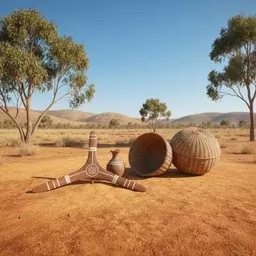
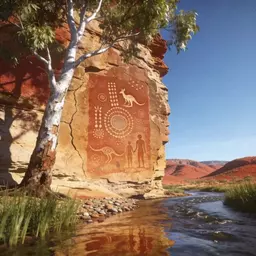
- Art: An expressive form that communicates cultural narratives.
- Oral Traditions: Stories that convey moral lessons and historical events.
- Customary Practices: Rituals that maintain a connection to ancestors and the land.
As we delve into these aspects at the Aboriginal Centre, we aim to create a deeper understanding of what it means to embrace Aboriginal identity today, ensuring the voices of Indigenous peoples are heard and respected.
Interactive Poll: Your Thoughts Matter!
As we explore the complexities of Aboriginal identity, we want to hear from you! What aspect of Aboriginal culture do you find most intriguing?
Reflecting on Aboriginal Identity and Its Contemporary Relevance
In examining the fabric of Aboriginal identity, it's vital to acknowledge the profound impact of colonization. This historical event not only reshaped the landscape but also fragmented Indigenous identities and communities. Understanding the lasting effects of colonization helps us appreciate the resilience and strength of Aboriginal cultures today.
Many Aboriginal Australians carry the weight of this history, which can manifest in various ways. By recognizing these challenges, we pave the way for constructive dialogues about identity, heritage, and cultural renewal. I often find it important to remind ourselves that healing is a journey, not a destination.
The Lasting Impact of Colonization on Identity Formation
Colonization has intricately woven itself into the identity of Aboriginal peoples, creating ripples that affect generations. The erosion of traditional practices, languages, and cultural expressions is a direct consequence of this historical trauma. However, it's essential to also highlight the remarkable resilience that has emerged from these struggles.
- Displacement from ancestral lands
- Suppression of languages and cultural practices
- Loss of traditional knowledge and wisdom
- Emergence of new forms of identity that blend heritage and contemporary influences
These factors demonstrate how colonization has reshaped Aboriginal identity. Yet, communities continue to reclaim and revitalize their cultures, fostering a sense of belonging and pride.
Intergenerational Trauma: Acknowledging and Addressing the Past
Intergenerational trauma is a term that describes how the effects of traumatic experiences can echo through generations. For many Aboriginal families, colonization's impact has led to a cycle of trauma that affects mental, emotional, and social well-being. Recognizing this reality is a crucial step toward healing.
- Education as a tool for awareness and understanding
- Community-led initiatives focused on mental health and well-being
- Engagement with Elders and knowledge keepers to learn about healing practices
By embracing these initiatives, we can begin to address the past while fostering resilience in communities. As we move forward, it’s imperative that we listen and learn from those affected to pave the way for healing and reconciliation.
Understanding Land Rights and Their Importance
Land is a cornerstone of Aboriginal identity; it represents both physical and spiritual connections to culture and heritage. Understanding land rights is therefore fundamental to grasping the broader narrative of Aboriginal identity. Today, significant steps are being made towards recognizing these rights, yet challenges remain.
- Recognition of native title claims
- Restoration of lands to Traditional Owners
- Collaborative land management practices
Empowering Aboriginal communities to have a say in their land management not only honors their connection but is vital for the preservation of culture. As I work with the Aboriginal Centre, I often witness the profound pride that comes from reclaiming these rights.
Engaging with Aboriginal Culture: Moving Forward Together
Building bridges towards a deeper understanding of Aboriginal culture is essential for fostering respect and collaboration. It's about creating a space for Indigenous voices and stories to be heard and valued. Together, we can cultivate a future that acknowledges the past while celebrating the vibrant cultures that thrive today.
Recap of Key Points
Here is a quick recap of the important points discussed in the article:
- Aboriginal Identity: A complex and dynamic concept influenced by language, community, and connection to land.
- Heritage's Role: Heritage provides continuity and a sense of belonging, connecting individuals to their ancestors and cultural practices.
- Colonization's Impact: Colonization has fragmented identities, yet Aboriginal peoples continue to show remarkable resilience and cultural revival.
- Intergenerational Trauma: Recognizing and addressing the effects of trauma is crucial for healing and fostering resilience in communities.
- Land Rights: Understanding and advocating for land rights is essential for preserving Aboriginal culture and identity.
- Engagement and Respect: Building understanding and respect for Aboriginal culture involves listening to Indigenous voices and stories.
Frequently Asked Questions About Aboriginal Identity
What are the key components of Aboriginal identity?
Aboriginal identity is shaped by several key components, including language, kinship systems, and a profound spiritual and physical connection to the land (Country). It's a dynamic identity, evolving with individual and community experiences while remaining rooted in ancient traditions.
How has colonization impacted Aboriginal identity?
Colonization has had a significant and lasting impact on Aboriginal identity through displacement from ancestral lands, suppression of languages and cultural practices, and the loss of traditional knowledge. Despite these challenges, Aboriginal communities have shown remarkable resilience in reclaiming and revitalizing their cultures.
What is intergenerational trauma in the context of Aboriginal identity?
Intergenerational trauma refers to the lasting effects of traumatic experiences, such as those caused by colonization, that are passed down through generations within Aboriginal families. Recognizing and addressing this trauma through education, community-led initiatives, and engagement with Elders is crucial for healing and well-being.
Why are land rights so important to Aboriginal identity?
Land is fundamental to Aboriginal identity, representing deep physical and spiritual connections to culture, heritage, and ancestors. Land rights, including the recognition of native title claims and the restoration of lands to Traditional Owners, are vital for the preservation of Aboriginal culture and empowering communities in their land management practices.
How diverse is Aboriginal identity in Australia?
Aboriginal identity is incredibly diverse, encompassing over 250 distinct language groups across Australia. Each group possesses unique customs, beliefs, and stories, all deeply connected to their specific land and heritage. This diversity highlights the richness and complexity of Aboriginal cultures.
Understanding and respecting the complexity of Aboriginal identity is a journey that requires continuous learning and open dialogue. By acknowledging the past, celebrating the present, and building a more inclusive future, we can ensure that Indigenous voices are not only heard but truly valued. To further explore the rich history that shapes this identity, consider delving into Aboriginal history and key events.