What if every symbol you encountered told a story that connected you to a rich cultural heritage? In the realm of Aboriginal culture, symbols are not just art; they are vibrant narratives that encapsulate the wisdom and experiences of Indigenous peoples across Australia. Let’s explore these fascinating symbols and their significance!
What You Will Learn
- Aboriginal symbols serve as powerful vessels of meaning, linking culture, history, and identity.
- Visual representations like dot paintings and traditional carvings convey deep connections to land and spirituality.
- Understanding Aboriginal terms enriches appreciation for Indigenous practices, highlighting the relationship between people and their environment.
- Engaging with oral traditions provides contextual understanding and enhances language learning through storytelling.
- Respect and cultural sensitivity are essential when learning Aboriginal languages and understanding their significance.
- Community resources and cultural events foster a deeper understanding of Aboriginal languages and support cultural preservation efforts.
Aboriginal Symbols and Their Cultural Significance
Delve into the visual language and oral traditions that form the bedrock of Aboriginal culture, as highlighted by the Aboriginal Centre.
What Are Aboriginal Symbols?
- 1
Dot Paintings: Tell stories from the Dreamtime, representing landscapes and ancestral beings.
- 2
Traditional Carvings: Communicate identity and mark tribal regions.
- 3
Body Paint: Used in ceremonies, symbolizing personal and cultural identity.
Cultural Significance of Aboriginal Terms
- 1
Connection to Land: Terms highlight significance of places and tied stories.
- 2
Spirituality: Words offer insight into beliefs shaping Aboriginal life.
- 3
Community Identity: Names reflect clan identities, reinforcing communal bonds.
Visual Symbols and Indigenous Heritage
- 1
Storytelling: Symbols used in narratives, connecting past and present.
- 2
Cultural Identity: Reinforce personal and group identity.
- 3
Reconciliation: Promote respect and recognition of culture.
Key Techniques for Language Learning
- 1
Utilize IPA: For clear and accurate pronunciation.
- 2
Practice Audio: Regularly engage with audio resources for listening skills.
- 3
Community Engagement: Learn firsthand from community members.
Understanding Aboriginal Symbols and Their Importance
In the vast landscape of Aboriginal culture, symbols serve as powerful vessels of meaning and tradition. These symbols tell stories that connect us to the past, embodying the wisdom and experiences of Indigenous peoples across Australia. But what exactly are Aboriginal symbols? Let's dive into this fascinating topic!
What Are Aboriginal Symbols?
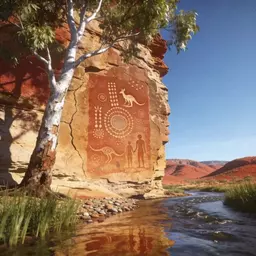
Aboriginal symbols are visual representations that convey cultural beliefs, histories, and identities. They can be found in various forms, including art, dance, and storytelling. Each symbol is imbued with specific meanings that reflect the connection to land, spirituality, and community.
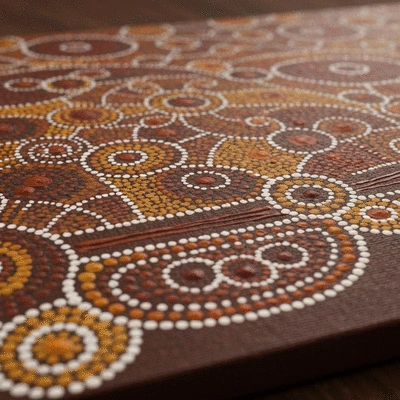
- Dot Paintings: Often used to tell stories from the Dreamtime, these intricate designs represent landscapes, animals, and ancestral beings.
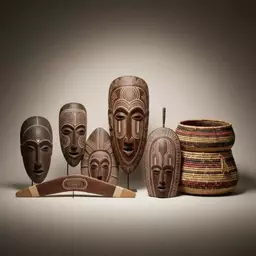
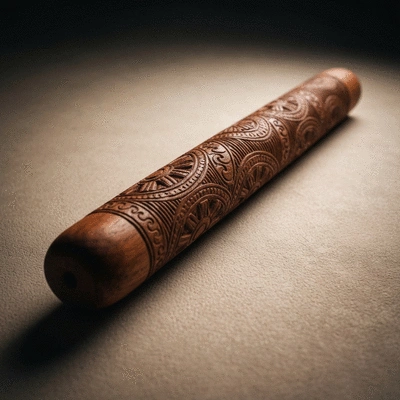
- Traditional Carvings: These artworks communicate elements of Aboriginal identity and serve as markers of tribal regions.
- Body Paint: Used in ceremonies, body paint symbolizes personal and cultural identity, linking the individual to their heritage.
Through these symbols, we gain insight into the rich tapestry of Aboriginal culture. They are not just art; they are living expressions of a people’s connection to their history and identity.
The Cultural Significance of Aboriginal Terms
Aboriginal terms are more than just words; they encapsulate the essence of culture and heritage. Understanding these terms enriches our appreciation for Indigenous practices and perspectives. Each term has its roots in the land and reflects the relationship between people and their environment. To learn more, explore understanding Aboriginal naming traditions.
- Connection to Land: Many terms highlight the significance of specific places and the stories tied to them.
- Spirituality: Certain words offer insights into the spiritual beliefs and practices that shape Aboriginal life.
- Community Identity: Names and terms often reflect clan identities, reinforcing the bonds within communities.
By embracing these terms, we not only honor the culture but also support the preservation of these unique languages at the Aboriginal Centre.
Visual Symbols and Their Connection to Indigenous Heritage
Visual symbols play a crucial role in preserving Aboriginal heritage. They serve as reminders of the shared history and values of Indigenous peoples. Each symbol carries stories that have been passed down through generations, making them invaluable to cultural education.
- Storytelling: Visual symbols are often used in storytelling, offering a narrative that connects past and present.
- Cultural Identity: These symbols reinforce personal and group identity among Aboriginal Australians.
- Reconciliation and Awareness: Understanding these symbols promotes respect and recognition of Aboriginal culture in wider society.
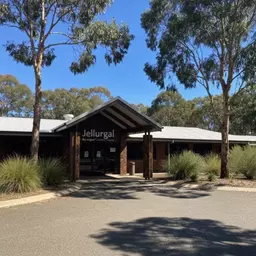
As we explore these visual symbols, we begin to appreciate how deeply they are woven into the fabric of Aboriginal identity. At the Aboriginal Centre, we aim to enlighten visitors about these cultural treasures, inviting everyone to engage with the stories they tell.
Pro Tip
Did you know? Engaging with Aboriginal art and symbols not only enhances your understanding of the culture but also offers a unique perspective on storytelling. Try visiting local galleries or cultural centers where you can experience these symbols in their intended context. This immersion can deepen your appreciation and connection to the rich narratives they convey.
Summarizing Key Takeaways for Beginners
In our journey through the world of Aboriginal languages and pronunciation, it's vital to gather the key techniques and resources that can support your learning. By focusing on practical pronunciation techniques and engaging with authentic resources, you can gain a deeper understanding of Aboriginal culture and language. Here’s a recap of the essential points:
- Utilize the International Phonetic Alphabet (IPA) for clear pronunciation.
- Practice regularly with audio resources to enhance your listening skills.
- Engage with community members who can offer firsthand language experience.
This foundation not only aids your pronunciation but also fosters a connection to the rich tapestry of Aboriginal narratives. Remember, each term you learn is a thread in the vibrant fabric of Indigenous identity.
The Importance of Respect and Cultural Sensitivity
As we navigate this learning process, we must approach Aboriginal languages with respect and cultural sensitivity. Recognizing the significance of each term and its connection to the culture is crucial. Here are some important reminders for learners:
- Always ask for guidance and clarification when unsure about pronunciation.
- Understand that languages reflect deep cultural heritage and stories.
- Be aware of the context in which you use these terms.
Embracing these principles will deepen your appreciation for the heritage behind the words. After all, language serves as a bridge to understanding and respecting Aboriginal cultures.
Understanding the Role of Oral Tradition in Language Learning
Oral tradition is a cornerstone of Aboriginal culture, playing a vital role in how language is shared and preserved. This method of transmitting knowledge is not just about words; it encompasses stories, songs, and cultural practices. Here’s how oral tradition enhances your learning:
- It provides contextual understanding of phrases and terms.
- Listening to stories can improve pronunciation and fluency.
- Engaging with community elders who share stories can enrich your learning experience.
By valuing oral traditions, you tap into a wealth of knowledge that cannot be found in textbooks alone. This connection to the past empowers learners to navigate the present with respect and insight.
FAQs About Aboriginal Symbols and Language
Here are some frequently asked questions to deepen your understanding of Aboriginal symbols and their cultural significance:
- Q: What is the primary purpose of Aboriginal symbols?
- A: Aboriginal symbols primarily serve as visual narratives, conveying cultural beliefs, histories, and identities, often representing connections to land, spirituality, and community.
- Q: How do dot paintings relate to Aboriginal culture?
- A: Dot paintings are a significant art form used to tell stories from the Dreamtime, depicting landscapes, animals, and ancestral beings, making them vital for cultural storytelling and preservation.
- Q: Why is understanding Aboriginal terms important?
- A: Understanding Aboriginal terms is crucial because they encapsulate the essence of Indigenous culture and heritage, reflecting deep connections to the land, spiritual beliefs, and community identity.
- Q: What role does oral tradition play in learning Aboriginal languages?
- A: Oral tradition is a fundamental method of sharing and preserving knowledge in Aboriginal culture, enhancing language learning by providing contextual understanding, improving pronunciation through storytelling, and connecting learners with community elders.
- Q: How can one engage respectfully with Aboriginal culture and languages?
- A: Engagement requires respect and cultural sensitivity, which includes asking for guidance on pronunciation, recognizing the deep cultural heritage embedded in language, and being mindful of the context in which terms are used. Participating in workshops and supporting cultural centers also fosters respectful learning.
Engaging with Aboriginal Culture through Language
Connecting with Community Resources and Support
Engagement with community resources is fundamental to deepening your understanding of Aboriginal languages. At the Aboriginal Centre, we offer various opportunities for connection and learning. For those looking to support these efforts, consider revitalizing Aboriginal languages today.
- Participate in workshops that focus on language and culture.
- Visit local cultural centers to experience language in its community context.
- Access online resources and platforms that support Aboriginal language learning.
By immersing yourself in these resources, you not only enhance your own learning but also support cultural preservation and revitalization efforts.
Encouraging Continued Learning and Respect for Indigenous Languages
Learning is an ongoing journey, and as you delve into Aboriginal languages, it's vital to encourage continued growth. Here are some strategies to keep your learning active:
- Set personal goals for mastering specific vocabulary or phrases.
- Engage with language partners or groups for regular practice.
- Share what you learn with others to foster community awareness.
By cultivating a spirit of curiosity and respect, you contribute to a collective appreciation for Indigenous languages and cultures.
Exploring Cultural Education and Language Revival Initiatives
The revival of Aboriginal languages is a critical aspect of cultural education. Initiatives aimed at preserving and revitalizing these languages deserve our support. Here’s how you can get involved:
- Attend cultural events that celebrate Aboriginal languages.
- Support organizations working on language preservation projects.
- Advocate for educational programs that incorporate Aboriginal languages in schools.
By engaging with these initiatives, you help create a brighter future for Indigenous languages, ensuring they remain vibrant and alive for generations to come.
Recap of Key Points
Here is a quick recap of the important points discussed in the article:
- Understanding Symbols: Aboriginal symbols convey cultural beliefs and stories, representing the connection to land and spirituality.
- Significance of Terms: Aboriginal terms reflect community identity and the relationship with the land, enhancing cultural appreciation.
- Oral Tradition's Role: Oral traditions are vital for sharing knowledge, improving language fluency, and connecting learners with community elders.
- Engagement with Community: Participation in workshops and local cultural events fosters a deeper understanding of Aboriginal languages and culture.
- Respect and Sensitivity: Approach Aboriginal languages with respect, understanding their cultural significance and context.