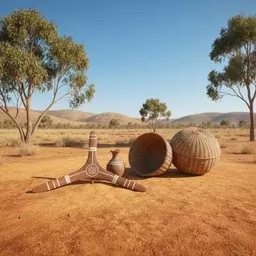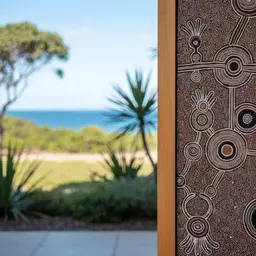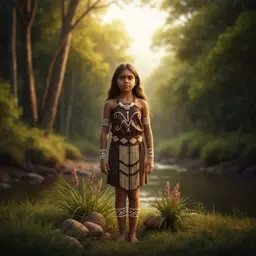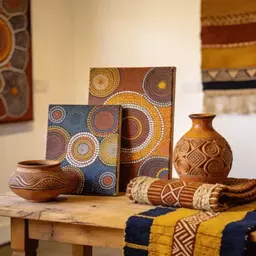
The richness of Aboriginal culture is not just a history lesson; it’s a vibrant, living legacy that shapes identities today. As you delve into this exploration, you’ll uncover insights into traditions that resonate deeply within communities. How can understanding these practices transform your appreciation of cultural diversity?
What You Will Learn
- Aboriginal cultural heritage comprises living traditions, including language, art, and storytelling, that are vital to contemporary Indigenous identity.
- The concept of Dreaming (Tjukurpa) is central to Aboriginal spirituality, shaping interactions with land and community through creation stories.
- Ceremonies and rituals, such as corroborees, provide deep cultural expressions and foster community cohesion.
- Understanding specific ceremonies, like smoke ceremonies and Sorry Business, highlights the communal values and respect for life cycles within Aboriginal culture.
- Elders play a crucial role in preserving cultural heritage by sharing knowledge and guiding younger generations.
- Engaging responsibly with Aboriginal culture involves active listening, community involvement, and supporting Indigenous rights for cultural preservation.
Key Aspects of Aboriginal Cultural Heritage
Aboriginal cultural heritage is a rich tapestry of living traditions, deeply rooted in history and spirituality. This visual highlights the core elements that define and preserve this vibrant culture.
Living Traditions & Expressions
- Language: Unique worldviews, connection to land.
- Art: Diverse stories, beliefs, contemporary life.
- Storytelling: Preserves knowledge across generations.
Dreaming (Tjukurpa) Influence
- Spiritual Connection: Origins of world & people.
- Guidance & Law: Moral, ethical framework.
- Cultural Identity: Links to ancestors & traditions.
Ceremonial Practices
- Corroborees: Dance, music, storytelling.
- Initiation Rites: Gender-specific (e.g., hunting, nurturing).
- Specific Rituals: Smoke ceremonies, Sorry Business.
Elders' Role & Preservation
- Cultural Leadership: Guiding communities.
- Knowledge Sharing: Storytelling, mentorship.
- Community Support: Conflict resolution, guidance.
Understanding Aboriginal Cultural Heritage and Its Significance
Aboriginal cultural heritage is a rich tapestry woven from the threads of history, identity, and tradition. It encompasses the beliefs, practices, and values of Aboriginal peoples across Australia, establishing a foundation for understanding their unique worldviews. As we explore this fascinating culture, we begin to appreciate the intricate connections between past and present, which are essential for fostering respect and admiration for these enduring legacies.
At the Aboriginal Centre, we strive to illuminate the significance of Aboriginal culture through education and engagement. By sharing insights into this heritage, we hope to inspire a deeper connection to the stories and practices that define Aboriginal identity today. For more information, you can also explore Aboriginal Culture and Spirituality.
Defining Aboriginal Culture: A Deep Dive into Living Traditions
Understanding Aboriginal culture goes beyond recognizing customary practices; it involves delving into the very essence of living traditions that have endured for thousands of years. Cultural expressions such as language, art, and storytelling are not merely artifacts of the past; they remain vibrant elements of contemporary Indigenous life.
- Language: Each Aboriginal language conveys unique worldviews, highlighting connections to land and spirituality.
- Art: Traditional and contemporary art forms reflect the diversity of stories and beliefs held within each community.
- Storytelling: Oral traditions serve as a method of preserving knowledge and passing it on across generations.
At the Aboriginal Centre, we emphasize that these living traditions are vital to understanding the ongoing narrative of Aboriginal identity. By engaging with these aspects of culture, we can foster a greater appreciation for the depth and complexity of Indigenous life.
The Role of Dreaming/Tjukurpa in Shaping Worldviews
The concept of Dreaming, or Tjukurpa, is central to Aboriginal spirituality and identity. It encompasses the creation stories that explain the origins of the world, its people, and the intricate relationships among them. Tjukurpa is not merely a myth; it informs the way Aboriginal people interact with the land, their communities, and each other.
- Spiritual Connection: Dreaming stories provide a framework for understanding the spiritual connection to the land.
- Guidance and Law: Tjukurpa provides moral and ethical guidance, shaping social behaviors and responsibilities.
- Cultural Identity: This concept helps define individual and communal identities, linking people to their ancestors and traditions.
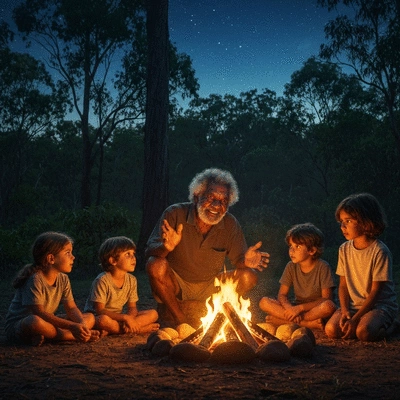
As we explore Tjukurpa, we recognize its transformative power in shaping Aboriginal worldviews and cultural practices. At the Aboriginal Centre, we encourage discussions around these themes to promote understanding and respect for the deep cultural significance embedded within them.
Exploring Key Aspects of Aboriginal Cultural Practices
Aboriginal cultural practices are richly diverse and deeply rooted in tradition. They encompass a variety of ceremonies and rituals that hold significant meaning within communities. By examining these practices, we can gain insights into the values and beliefs that are integral to Aboriginal identity.
- Ceremonies: Ceremonial gatherings, such as corroborees, play a vital role in cultural expression and community cohesion.
- Storytelling: The art of storytelling is central to cultural transmission, sharing knowledge and wisdom across generations.
- Connection to Country: Ceremonies often emphasize the connection to land, reinforcing the importance of environmental stewardship.
By participating in or learning about these cultural practices, we can appreciate the richness of Aboriginal heritage and the vital role it plays in fostering community and identity among Indigenous peoples.
Significance of Ceremonies: Corroborees and Rituals Explained
Ceremonies are a fundamental aspect of Aboriginal culture, serving as expressions of identity, spirituality, and community. Among these, corroborees stand out as vibrant gatherings that celebrate culture through dance, music, and storytelling. These events are not only a means of cultural expression but also a way to connect with ancestors and share knowledge.
- Corroborees: These ceremonies involve dance and song, often performed in a communal setting, inviting participation from both Aboriginal and non-Aboriginal audiences.
- Rituals: Various rituals, such as initiation ceremonies, mark significant life events and transitions within the community.
- Seasonal Festivals: Ceremonial practices often align with the changing seasons, celebrating the natural rhythms of the land.
Through these ceremonies, we can witness the vibrant expressions of Aboriginal identity and the enduring connections to culture and country. At the Aboriginal Centre, we encourage everyone to engage with these practices, fostering cultural understanding and respect. Learn more about Indigenous Youth Programs and their connection to these traditions.
Understanding Specific Ceremonies: From Smoke Ceremonies to Sorry Business
Each ceremony has unique significance and cultural meaning. For instance, smoke ceremonies are cleansing rituals performed to promote healing and protection, while "Sorry Business" refers to mourning practices that honor the deceased and support the grieving process. These ceremonies reflect deep communal values and the respect afforded to the cycle of life and death.
- Smoke Ceremonies: Used to clear negative energy and invite positive spirits, these rituals often involve burning native plants.
- Sorry Business: This term encompasses various practices associated with mourning, emphasizing respect for the individual and their family.
- Healing Ceremonies: These may involve traditional medicine and rituals to promote physical and emotional recovery.
By understanding these specific ceremonies, we can appreciate the profound connections between Aboriginal cultural practices and the values they embody. At the Aboriginal Centre, we strive to share these insights and encourage open dialogue around cultural practices.
Gender-Specific Initiation Rites and Their Importance
Initiation rites are another crucial aspect of Aboriginal cultural practices, often varying in significance based on gender. These rites symbolize the transition from childhood to adulthood and reinforce cultural teachings. In many communities, these ceremonies are tailored to reflect the roles and responsibilities expected of individuals based on their gender.
- Male Initiation: Often involves rigorous training and teachings related to hunting, land stewardship, and cultural knowledge.
- Female Initiation: Typically focuses on teachings about family, community roles, and the importance of nurturing.
- Cultural Significance: Both initiation rites serve to connect younger generations with their heritage and ensure the continuity of cultural knowledge.
These gender-specific rites are essential for fortifying cultural identity within Aboriginal communities. At the Aboriginal Centre, we aim to provide a deeper understanding of these practices and their significance in contemporary Aboriginal life.
The Role of Elders in Preserving Cultural Heritage
Elders hold a revered position within Aboriginal communities, serving as custodians of knowledge, culture, and tradition. Their wisdom and experience are invaluable in guiding younger generations and preserving cultural practices. Elders not only share stories and teachings but also provide support during significant life events, reinforcing the intergenerational bonds that are vital to Aboriginal identity.
- Cultural Leadership: Elders act as leaders, facilitating ceremonies and maintaining the cultural integrity of their communities.
- Knowledge Sharing: Through storytelling and mentorship, they pass down essential cultural lessons and values.
- Community Support: Elders help to mediate conflicts and provide guidance during challenging times, fostering community cohesion.
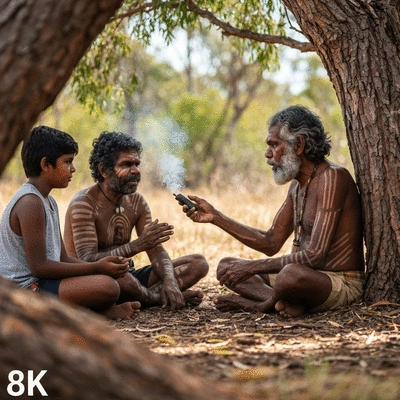
At the Aboriginal Centre, we recognize the critical role that Elders play in sustaining cultural heritage. By honoring their contributions, we can better understand and appreciate the richness of Aboriginal culture and its ongoing evolution. You can find more information about Aboriginal Elders and Their Role in the Community here.
Pro Tip
When engaging with Aboriginal culture, always approach with an open heart and a willingness to learn. Consider attending local cultural events or workshops, as these experiences provide invaluable insights and foster genuine connections with Indigenous communities. It's not just about learning; it’s about building respectful relationships that honor the depth of Aboriginal traditions.
Reflecting on the Legacy of Aboriginal Cultural Heritage
As we explore the rich tapestry of Aboriginal cultural heritage, it’s crucial to recognize the importance of respect and understanding. Aboriginal traditions are not just relics of the past; they are living practices that continue to shape identities today. Through my work at the Aboriginal Centre, I’ve witnessed firsthand how these traditions provide meaning and connection to both Indigenous and non-Indigenous communities alike.
Respecting Aboriginal culture involves more than mere acknowledgment; it requires a commitment to learning and engagement. In this section, we’ll delve into how we can appreciate these traditions responsibly and what roles Indigenous rights play in the preservation of cultural heritage.
The Importance of Respecting and Understanding Aboriginal Traditions
Respect is foundational when it comes to Aboriginal traditions. Understanding these practices fosters a deeper appreciation for the cultural significance they hold. By recognizing the historical context and contemporary relevance of these customs, we allow for a more meaningful connection. Here are some key points to consider:
- Cultural Significance: Each tradition, from storytelling to ceremonial practices, carries deep meanings and values.
- Historical Context: Understanding the impact of colonization on these cultures is vital for respectful engagement.
- Community Involvement: Engaging with Indigenous communities helps bridge understanding and build relationships.
- Active Listening: Listening to Aboriginal voices and perspectives can enrich our understanding and appreciation.
By embracing these aspects, we can contribute to a respectful dialogue that honors the past and nurtures the future of Aboriginal culture.
How to Engage with Aboriginal Culture Responsibly and Respectfully
Engaging with Aboriginal culture requires a thoughtful approach. It's essential to be informed about the cultural practices and to seek guidance from Indigenous communities. Here are some practical steps for responsible engagement:
- Participate in cultural events and workshops organized by Aboriginal communities.
- Educate yourself on Aboriginal history and current issues, reading materials from Indigenous authors.
- Support Aboriginal-owned businesses and artists to help promote cultural expressions.
- Approach cultural practices with an open mind, asking questions and seeking permission when appropriate.
These actions demonstrate a commitment to respecting Aboriginal culture and its practitioners. When we engage thoughtfully, we open doors to enriching experiences and connections.
The Role of Indigenous Rights in Cultural Preservation
Indigenous rights play a pivotal role in safeguarding cultural heritage. These rights encompass not only land and language but also the recognition and respect for traditional knowledge and practices. It’s vital to understand how these rights contribute to cultural preservation:
- Land Rights: Access to ancestral lands is crucial for the practice of cultural traditions.
- Intellectual Property: Protecting traditional knowledge and cultural expressions from exploitation is essential for maintaining authenticity.
- Self-Determination: Indigenous communities must be empowered to make decisions regarding their cultural heritage.
- Education and Awareness: Advocating for the inclusion of Indigenous perspectives in educational curricula promotes understanding and respect.
Supporting Indigenous rights not only honors the past but also contributes to a future where Aboriginal culture can thrive and flourish. At the Aboriginal Centre, we continuously strive to highlight these important aspects and encourage everyone to participate in this vital conversation.
Recap of Key Points
Here is a quick recap of the important points discussed in the article:
- Understanding Aboriginal Culture: Aboriginal culture is a living tradition that includes language, art, and storytelling, essential for appreciating Indigenous identities.
- The Role of Dreaming/Tjukurpa: Dreaming stories shape spiritual connections and cultural identities, providing moral guidance and defining community relationships.
- Ceremonial Practices: Ceremonies like corroborees and healing rituals are vital for cultural expression and community cohesion, emphasizing the connection to land.
- Significance of Elders: Elders are custodians of cultural knowledge, guiding younger generations and fostering community support.
- Respect and Engagement: Engaging with Aboriginal culture requires understanding, respect, and active listening to promote meaningful connections.
- Support for Indigenous Rights: Recognizing Indigenous rights is crucial for cultural preservation, empowering communities to protect their heritage.
Frequently Asked Questions About Aboriginal Cultural Heritage
What is Aboriginal cultural heritage?
Aboriginal cultural heritage is a vibrant, living legacy that includes traditions, languages, art, and storytelling, deeply rooted in history and spirituality. It forms the foundation of contemporary Indigenous identity in Australia.
What is the significance of Dreaming (Tjukurpa) in Aboriginal culture?
Dreaming, or Tjukurpa, is central to Aboriginal spirituality. It comprises creation stories that explain the origins of the world and people, provides moral and ethical guidance, and defines cultural identity, linking people to their ancestors and traditions.
What are some examples of Aboriginal ceremonies and rituals?
Key ceremonies include corroborees (gatherings for dance, music, and storytelling), initiation rites (gender-specific transitions to adulthood), smoke ceremonies (cleansing and healing rituals), and "Sorry Business" (mourning practices to honor the deceased).
What role do Elders play in Aboriginal communities?
Elders are revered as custodians of knowledge, culture, and tradition. They provide cultural leadership, share stories and teachings, mentor younger generations, mediate conflicts, and offer guidance, thereby preserving cultural heritage.
How can one engage with Aboriginal culture respectfully?
Responsible engagement involves approaching with an open heart, actively listening to Aboriginal voices, educating oneself on history and issues, participating in cultural events, supporting Indigenous-owned businesses, and respecting Indigenous rights for cultural preservation.