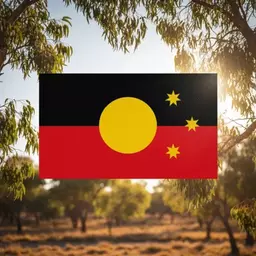
Have you ever considered how a name can carry the weight of history, culture, and identity? Aboriginal names are much more than mere labels; they are vibrant threads in the tapestry of heritage that connect individuals to their land and stories. Understanding their significance can deepen our appreciation for a culture that has thrived for thousands of years.
What You Will Learn
- Aboriginal names function as cultural repositories, encapsulating deep meanings and connections to heritage.
- Place names offer insights into the geographical landscape, cultural stories, and spiritual connections to the land.
- The practice of dual naming acknowledges and preserves Aboriginal identities alongside European names.
- Efforts to accurately represent Aboriginal names are vital for preserving cultural significance and identity.
- Language revitalization is crucial for maintaining the traditions and connections embedded in Aboriginal culture.
- Understanding the importance of Aboriginal names fosters respect for their cultural narratives and ongoing significance.
Cultural Significance and the Evolution of Aboriginal Naming Traditions
Aboriginal names are not just labels; they serve as cultural repositories, holding deep meanings and stories that connect individuals to their heritage and the land. They are vital for cultural preservation and identity, even as traditions evolve and face challenges from historical transcription issues. To learn more about the broader context of these traditions, explore our article on Aboriginal Cultural Heritage Explained.
Aboriginal Place Names
Geographic Features: Describe rivers, mountains, landmarks.
Cultural Significance: Relate to stories, ceremonies, events.
Spiritual Connections: Link to Dreamtime and ancestral ties.
Challenges & Restoration
Transcription Issues: Loss of meaning due to European adaptation.
Dual Naming: Acknowledges original & European names (Recognition, Education, Preservation).
Language Revitalization: Community engagement, educational resources, intergenerational learning.
Understanding the Cultural Significance of Aboriginal Names
Aboriginal names are not just labels; they serve as cultural repositories, holding deep meanings and stories that connect individuals to their heritage and the land. These names often reflect the intricate relationships between people, places, and the natural world. At the Aboriginal Centre, we strive to illuminate the rich tapestry woven by these names, emphasizing their significance in fostering a sense of belonging and identity.
As we explore the cultural significance of Aboriginal names, it’s essential to recognize the profound impact they have on community connections and individual identities. Each name carries with it a history, a story, and a sense of pride, transforming the act of naming into an act of cultural preservation.
Exploring the Depth of Aboriginal Place Names
Aboriginal place names are rich with meaning and serve as a window into the past. They often describe the geographical landscape, provide insights into the activities that occur in those areas, or convey important cultural stories. For instance, many place names tell us about the flora and fauna found in the region, while others can indicate past events or spiritual significance.
- Geographic Features: Names often describe rivers, mountains, and other natural landmarks.
- Cultural Significance: Many names relate to traditional stories, ceremonies, or historical events.
- Spiritual Connections: Some names embody a connection to the Dreamtime, linking the physical and spiritual worlds.
These names are not only vital for navigation but also serve as a reminder of the deep connection between Aboriginal peoples and their Country. They embody a living history that continues to resonate today. For more on the interconnectedness of Aboriginal culture, consider exploring Understanding Aboriginal Symbolism and Stories.
Connection to Country: The Spiritual and Historical Context
The relationship between Aboriginal place names and the land is profound. Each name is a reflection of the stories and traditions passed down through generations. They guide individuals in navigating the terrain while offering insights into Dreamtime stories that explain the origins of the land and its people. This connection shapes the identity of Aboriginal communities, reinforcing the importance of respecting and understanding these names.
For example, place names can be a guide to sacred sites or areas of cultural significance, revealing a wealth of knowledge about the natural world and its resources. By understanding these connections, we can gain a deeper appreciation for the landscapes that surround us and the stories they hold.
The Evolution and Restoration of Aboriginal Naming Traditions
As we look into the evolution of Aboriginal naming traditions, it’s vital to consider the impact of government policies and societal changes over time. Many names have been lost or altered due to colonization and linguistic shifts. The Aboriginal Centre is committed to restoring these names and preserving the cultural identity they represent.
Through educational initiatives, we aim to raise awareness about the significance of these naming traditions and their continued relevance in today’s society.
Government Policies on Dual Naming and Restoration
The introduction of dual naming practices has been a significant step in acknowledging and preserving Aboriginal identities. These policies not only recognize the original names but also incorporate European names, allowing for a more inclusive understanding of our shared history.
- Recognition: Dual naming validates Aboriginal connections to the land.
- Education: These practices encourage learning and respect among diverse populations.
- Preservation: Protects and revitalizes traditional names and their meanings for future generations.
As we continue to advocate for such practices, we can help ensure that the voices of Aboriginal peoples are heard and respected in the narrative of Australia. This commitment to cultural recognition is also reflected in efforts towards Revitalizing Aboriginal Languages Today.
Challenges with Historical Transcription of Aboriginal Names
One of the significant challenges in preserving Aboriginal names lies in their transcription. Many names have been inadequately adapted to European languages, leading to a loss of original meanings and cultural significance. Mispronunciations and changes in spelling can obscure the deep cultural heritage embedded in these names.
At the Aboriginal Centre, we work to highlight these issues and promote accurate representations of Aboriginal names. By raising awareness about the importance of correct pronunciation and spelling, we can help maintain the integrity of our cultural narratives.
Cultural Heritage and the Importance of Language Revitalization
The revitalization of Indigenous Australian languages is crucial for preserving cultural identity. Language is more than a means of communication; it is an integral part of tradition, storytelling, and connection to the land. Efforts to restore and teach these languages play a vital role in keeping cultural practices alive.
- Community Engagement: Involvement of community members in language programs.
- Educational Resources: Development of materials that support language learning.
- Intergenerational Learning: Encouraging elders to pass down language knowledge to younger generations.
Through these initiatives, we can embrace our cultural heritage and foster a renewed appreciation for Aboriginal identity.
Pro Tip
To better understand the significance of Aboriginal names, try exploring the stories behind local place names in your area. Engaging with these narratives can deepen your appreciation for the cultural connections and histories they represent. Consider visiting local Indigenous cultural centers or utilizing online resources to learn more about the naming traditions specific to your region.
Frequently Asked Questions About Aboriginal Names
What is the significance of Aboriginal names?
Aboriginal names are more than just labels; they are cultural repositories that carry deep meanings, stories, and connections to heritage, land, and ancestors. They are vital for cultural preservation and individual identity, reflecting the intricate relationships between people, places, and the natural world.
How do Aboriginal place names reflect culture?
Aboriginal place names often describe geographical features like rivers and mountains, and provide insights into cultural activities, traditional stories, ceremonies, or historical events. They also embody spiritual connections to the Dreamtime, linking the physical and spiritual worlds, and serve as a reminder of the deep connection between Aboriginal peoples and their Country.
What is dual naming and why is it important?
Dual naming is the practice of recognizing both original Aboriginal names and European names for places. It is important because it validates Aboriginal connections to the land, encourages learning and respect among diverse populations, and helps preserve and revitalize traditional names and their meanings for future generations.
What challenges exist in preserving Aboriginal names?
One significant challenge is the historical transcription of Aboriginal names into European languages, which has often led to a loss of original meanings and cultural significance. Mispronunciations and changes in spelling can obscure the rich cultural heritage embedded in these names.
Why is language revitalization crucial for Aboriginal cultural heritage?
Language revitalization is crucial because language is an integral part of tradition, storytelling, and connection to the land. Efforts to restore and teach Indigenous Australian languages, through community engagement, educational resources, and intergenerational learning, play a vital role in keeping cultural practices alive and preserving cultural identity.
Reflecting on the Importance of Aboriginal Names
Aboriginal names carry profound cultural significance that extends beyond mere identification. They are a vital aspect of cultural identity, linking individuals to their heritage, ancestors, and the land. Each name encapsulates stories, traditions, and relationships, embodying the very essence of Aboriginal culture. By understanding and respecting these names, we can appreciate the depth of connection that Aboriginal peoples have with their identity.
In many Aboriginal communities, names are not just labels; they represent a spiritual bond to the land and a reminder of ancestral ties. The meanings behind these names often reflect the environment, personal history, or significant events, serving as cultural repositories that preserve knowledge for future generations. Recognizing the importance of names is essential in fostering respect for Aboriginal culture and its ongoing narrative. You can explore more about this rich history by reading about Aboriginal History: Key Events & Timeline.
Encouragement to Explore Further
As we dive deeper into the rich tapestry of Aboriginal naming traditions, I invite you to join me in exploring these captivating aspects of culture. There is so much more to learn about how names influence identity, kinship, and the connection to Country. Engaging with these traditions not only promotes understanding but also honors the resilience of Aboriginal Australians.
- Aboriginal Naming Traditions - A resource dedicated to exploring the various naming practices across Aboriginal cultures.
- Language Revitalization Efforts - Information on initiatives aimed at preserving Indigenous languages and their significance.
- Storytelling Techniques - Insights into how storytelling preserves cultural heritage and the meanings of Aboriginal names.
By taking the time to learn about Aboriginal names, you contribute to a broader understanding and appreciation of the cultural landscape in Australia. Let’s celebrate these important traditions together and engage with the stories they tell! Feel free to reach out with questions or insights. Your journey into Aboriginal culture starts here!
Recap of Key Points
Here is a quick recap of the important points discussed in the article:
- Cultural Repositories: Aboriginal names serve as vital links to heritage, encompassing stories and connections to the land.
- Place Names Significance: Many Aboriginal place names reflect geographical features, cultural stories, and spiritual connections, highlighting the relationship between people and Country.
- Restoration of Identity: The Aboriginal Centre focuses on restoring lost names and educating communities about their cultural significance.
- Dual Naming Practices: Government policies on dual naming are essential for recognizing Aboriginal identities and fostering inclusivity.
- Language Revitalization: Efforts to revive Indigenous languages play a crucial role in maintaining cultural identity and values.