The legacy of Aboriginal resistance teaches us invaluable lessons about resilience, community, and the importance of cultural preservation. As we reflect on the past, we are reminded of the ongoing journey for justice and recognition. How can we carry these lessons forward in our own lives?
What You Will Learn
- Colonization has led to the profound loss of traditional lands, impacting Aboriginal communities' connection to their heritage.
- Resistance among Aboriginal peoples includes not only direct actions against colonization but also efforts to preserve cultural practices and languages.
- The fight for Indigenous rights continues today, shaped by historical injustices that have stripped communities of self-determination.
- Historical Aboriginal heroes exemplify the power of unity and collaboration in the ongoing struggle for justice and recognition.
- Commemorating the contributions of Aboriginal resistance leaders is essential for educating future generations and fostering dialogue about Aboriginal history.
The Spectrum of Aboriginal Resistance
Aboriginal communities have continuously resisted colonization through diverse actions. This visual illustrates the key forms of resistance, highlighting active, cultural, and political advocacy as integral to their enduring fight for justice and preservation. To learn more about significant historical events that shaped this resistance, explore Aboriginal History: Key Events Timeline.
Active Resistance
Protests, uprisings, and organized movements that directly challenge colonial authority, often involving direct confrontation.
Cultural Resistance
Maintaining and reviving cultural practices, language, and art as a form of defiance against cultural erosion and assimilation.
Political Advocacy
Engaging in legal and political avenues to assert Indigenous rights, protect heritage, and achieve self-determination within broader society.
Cultural Preservation
Efforts by historical figures to ensure traditions and stories are passed down, serving as cultural stewards for future generations.
Understanding Aboriginal Resistance: A Historical Context
As we delve into the history of Aboriginal resistance, it’s essential to grasp the immense impact of colonization on Aboriginal lands. From the moment of European contact, Aboriginal communities faced profound disruption. Colonization brought about not just the loss of land, but also an erosion of cultural identity, traditional practices, and community structures. How does this history shape the stories we tell today? Let's explore this together.

Colonization was not merely an event; it was a process marked by violence and dispossession. The introduction of foreign laws and practices led to a systematic undermining of Indigenous rights, which continues to echo in the lives of Aboriginal peoples today. The struggles faced in the past inform the resilience observed in contemporary advocacy and rights movements.
The Impact of Colonization on Aboriginal Lands
The effects of colonization on Aboriginal lands were far-reaching and devastating. Here are a few key impacts:
- Loss of Traditional Lands: Colonization led to widespread dispossession of Aboriginal territories.
- Disruption of Economies: Traditional practices like hunting and gathering were severely hindered.
- Cultural Erosion: The imposition of foreign systems undermined cultural practices and languages.
- Social Displacement: Families and communities were broken apart, leading to a loss of connection.
Each of these impacts has contributed to a narrative of resistance that persists today. As communities continue to reclaim their identities, the legacy of these disruptions remains at the forefront of discussions about Aboriginal rights and sovereignty. Further details on this can be found by exploring Aboriginal Cultural Heritage Explained.
Defining Resistance: What Does it Mean for Aboriginal Communities?
Resistance, in the context of Aboriginal communities, encompasses a spectrum of actions and responses to colonization. It’s not only about armed conflict but also about cultural survival and expression. Resistance can be viewed through various lenses:
- Active Resistance: This includes protests, uprisings, and organized movements that challenge colonial authority.
- Cultural Resistance: Maintaining and reviving cultural practices, language, and art as a form of defiance.
- Political Advocacy: Engaging in legal and political avenues to assert rights and protect heritage.
Understanding these definitions enriches our appreciation of Aboriginal identity and resilience. Each act of resistance, whether overt or subtle, represents a steadfast commitment to cultural integrity and community rights.
Colonization and Its Effects on Indigenous Rights and Sovereignty
The legacy of colonization fundamentally altered the landscape of Indigenous rights and sovereignty. Aboriginal communities were stripped of their self-determination, which has led to ongoing struggles for recognition and autonomy. Key factors that illustrate this include:
- Legal Discrimination: Laws enacted to suppress Indigenous rights and impose foreign governance structures.
- Loss of Control: Disempowerment in decision-making processes regarding land and resources.
- Ongoing Land Disputes: Continuous conflicts over land rights and sovereignty that persist to this day.
As we reflect on these crucial elements, it becomes clear that the fight for rights and sovereignty is an ongoing journey. At the Aboriginal Centre, we aim to promote understanding and respect for these issues, encouraging discussions that honor the past while fostering pathways for the future.
Pro Tip
To deepen your understanding of Aboriginal resistance, consider engaging with local Aboriginal communities or cultural centers. Participating in workshops, attending events, or supporting Aboriginal artists can provide valuable insights into their rich heritage and ongoing struggles. This not only honors their history but also fosters meaningful connections and social awareness.
Reflecting on the Legacy of Aboriginal Resistance Heroes
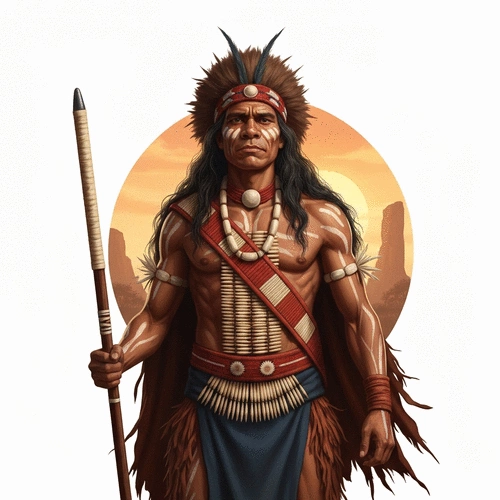
As we explore the rich tapestry of Aboriginal resistance, it's crucial to recognize the impact of historical heroes on contemporary society. These stories are not just relics of the past; they carry profound lessons that resonate today. Understanding the courage and resilience demonstrated by Aboriginal leaders helps us appreciate the ongoing struggle for justice and recognition within Indigenous communities. What can we learn from these narratives as we navigate our modern contexts?
Why These Stories Matter Today: Lessons from the Past
The stories of Aboriginal heroes teach us about the importance of standing up for one’s rights and the power of resilience in the face of adversity. Here are a few key lessons we can extract from their legacies:
- Unity is Strength: The collective efforts of resistance leaders emphasize the need for community collaboration.
- Preservation of Culture: Maintaining and celebrating cultural identity is vital for future generations.
- Advocacy for Justice: Their struggles remind us of the ongoing fight for rights and recognition, which continues today.
- Empowerment through Education: Learning about these heroes equips individuals with a deeper understanding of Aboriginal history and identity.
These lessons are not just historical; they are relevant to our current social justice movements. They urge us to reflect on our roles in advocating for Indigenous rights and fostering respect for Aboriginal culture.
Commemorating Heroes: How to Honor Their Contributions
Commemorating the contributions of Aboriginal resistance heroes is essential in acknowledging their sacrifices. Here are some meaningful ways to honor their legacies:
- Establishing memorials or plaques in their name to keep their stories alive.
- Participating in community events that celebrate Aboriginal culture and history.
- Supporting local Aboriginal artists and authors who tell these stories through their work.
- Engaging in educational programs that highlight the heroes and their contributions.
By actively participating in these practices, we not only honor their memory but also encourage ongoing dialogue about Aboriginal history and the importance of their fight for justice.
Cultural Preservation and the Impact of Historical Figures
The impact of historical figures extends beyond their time; they shape our understanding of Aboriginal identity today. These heroes serve as cultural stewards, ensuring that traditions and stories are preserved for future generations. Their narratives, often shared orally, create a bridge connecting past, present, and future.
In an age where cultural erasure can be a threat, the resilience of these heroes inspires us to protect and promote Aboriginal culture. Engaging with these stories at the Aboriginal Centre enriches our community’s understanding and appreciation for the unique heritage of Aboriginal Australians. What steps can we take to contribute to this preservation? You can also explore Digital Strategies for Aboriginal Heritage to see how modern approaches are aiding in these efforts.
Frequently Asked Questions About Aboriginal Resistance
- Q: What were the primary impacts of colonization on Aboriginal lands?
- A: Colonization led to widespread dispossession of traditional lands, disruption of traditional economies, cultural erosion through the imposition of foreign systems, and social displacement of Aboriginal communities.
- Q: What does "resistance" mean in the context of Aboriginal communities?
- A: Aboriginal resistance encompasses diverse actions beyond just armed conflict, including active protests and uprisings, cultural preservation (maintaining language, art, and practices), and political advocacy to assert rights and protect heritage.
- Q: How did colonization affect Indigenous rights and sovereignty?
- A: Colonization fundamentally stripped Aboriginal communities of self-determination through legal discrimination, loss of control over land and resources, and ongoing land disputes, leading to continuous struggles for recognition and autonomy.
- Q: Why are the stories of Aboriginal resistance heroes important today?
- A: These stories teach invaluable lessons about unity, cultural preservation, advocating for justice, and the power of resilience. They provide a deeper understanding of Aboriginal history and identity, inspiring contemporary social justice movements.
- Q: How can we honor the contributions of Aboriginal resistance heroes?
- A: Ways to honor their legacies include establishing memorials, participating in community events that celebrate Aboriginal culture, supporting Aboriginal artists and authors, and engaging in educational programs that highlight their contributions.
Recap of Key Points
Here is a quick recap of the important points discussed in the article:
- Impact of Colonization: Colonization resulted in the loss of traditional lands, disruption of economies, cultural erosion, and social displacement of Aboriginal communities.
- Understanding Resistance: Aboriginal resistance includes active protests, cultural survival, and political advocacy aimed at asserting rights and protecting heritage.
- Ongoing Struggles: Legal discrimination, loss of control over resources, and ongoing land disputes illustrate the enduring effects of colonization on Indigenous rights and sovereignty.
- Lessons from Heroes: The legacies of Aboriginal resistance heroes emphasize unity, cultural preservation, advocacy for justice, and the importance of education in understanding Aboriginal identity.
- Commemoration: Honoring Aboriginal heroes can be achieved through memorials, community events, supporting artists, and engaging in educational programs.