Language is more than just a means of communication; it's a gateway to understanding culture and identity. As you delve into the importance of preserving Aboriginal languages, consider how each word encapsulates stories of the past and aspirations for the future.
What You Will Learn
- Aboriginal languages are vital for cultural identity, reflecting unique perspectives and traditional knowledge.
- Language preservation enhances community health and promotes a sense of belonging among Indigenous peoples.
- Engaging with Aboriginal languages helps revitalize cultural narratives and fosters pride in heritage.
- Modern revitalization strategies include community-led projects and technological innovations that support language learning.
- Individuals can contribute to language preservation through advocacy, education, and active participation in cultural events.
- Language activists play a critical role in promoting Indigenous education and creating resources for language preservation.
The Pillars of Aboriginal Language Preservation
Aboriginal languages are vital for cultural identity, community health, and global linguistic diversity. The three key areas below highlight the profound connections and impacts of language preservation.
Cultural Identity & Traditional Knowledge
Language is the vessel for stories, customs, and histories, reflecting unique perspectives and practices related to land, healing, and governance.
- Encodes knowledge about flora and fauna.
- Carries traditional ecological knowledge.
- Fosters belonging and community.
Community Health & Sovereignty
Speaking native languages improves mental health and well-being, strengthening community ties and empowering self-determination.
- Strengthens community ties, fosters resilience.
- Empowers cultural narratives and histories.
- Contributes to Indigenous autonomy.
Cultural Heritage & Linguistic Diversity
Indigenous languages are global treasures, enriching understanding of humanity and preserving unique worldviews and traditions.
- Enhances diverse human experiences.
- Preserves cultural practices and ceremonies.
- Provides distinct worldviews.
Modern Revitalization Strategies
Innovative approaches are breathing new life into languages through community-led projects, technology, and collaborative programs.
- Community-led teaching and learning.
- Technological aids (e.g., apps).
- Grassroots collaborative programs.
Understanding the Importance of Aboriginal Language Preservation
Preserving Aboriginal languages is not just about keeping words alive; it's about maintaining a vibrant connection to cultural identity and traditional knowledge. Language serves as a vessel through which stories, customs, and histories are passed down from generation to generation. For many Indigenous communities, the loss of language equates to the loss of identity, heritage, and a sense of belonging. How can we truly appreciate Aboriginal culture without understanding the languages that express its richness? To explore this further, consider reading about exploring the history and cultural significance of Aboriginal art.
Our mission at the Aboriginal Centre is to promote cultural clarity and understanding, recognizing that language holds the keys to unlocking the door to Aboriginal traditions. The intricate relationship between language and culture is profound: words reflect the values, relationship to land, and social structures of a community. When language is preserved, so too are the stories and wisdom that shape our shared history.

Connecting Language to Cultural Identity and Traditional Knowledge
Aboriginal languages are deeply intertwined with the cultural identity of Indigenous peoples. They provide insight into the ways of life that have flourished for thousands of years, reflecting unique perspectives on the world. Language is a living expression of traditions and practices, serving as a means of passing on critical knowledge about the land, healing, and community governance.
- Language encodes knowledge about local flora and fauna, essential for survival.
- It carries traditional ecological knowledge that informs sustainable practices.
- Language fosters a sense of belonging and community among speakers.
When we engage with Aboriginal languages, we actively participate in the revitalization of cultural narratives. As a passionate advocate for Aboriginal culture, I understand how vital it is for younger generations to connect with their linguistic roots, fostering pride and a sense of ownership in their heritage.
Impact on Community Health and Sovereignty
The health of a community can be profoundly affected by the preservation of its language. Research has shown that individuals who speak their native languages experience better mental health and overall well-being. This connection is evident in the sense of pride and identity that language instills.
- Speaking their language strengthens community ties and fosters resilience.
- It empowers individuals to reclaim their cultural narratives and histories.
- Language revitalization contributes to the sovereignty of Indigenous peoples.
By prioritizing the preservation of Aboriginal languages, we not only support individual health but also contribute to the broader movement for Indigenous rights and autonomy. Language is a cornerstone of self-determination, enabling communities to navigate their futures while honoring their pasts. This pursuit of self-determination is closely linked to understanding the importance of Indigenous self-determination and governance.
The Role of Indigenous Languages in Cultural Heritage and Linguistic Diversity
Indigenous languages are treasures that contribute to the planet's linguistic diversity. They offer unique ways of understanding complex concepts and emotions that may not be captured in dominant languages. Each language embodies the collective experiences and wisdom of its speakers, enriching our global cultural tapestry.
- Indigenous languages enhance our understanding of humanity's diverse experiences.
- They play a crucial role in preserving cultural practices and ceremonies.
- Languages provide distinct worldviews that foster respect for our environment.
As I reflect on the significance of language in Aboriginal culture, I see an opportunity for all of us to enrich our lives. Embracing and supporting the preservation of Aboriginal languages paves the way for a deeper appreciation of the vibrant cultures that continue to thrive in Australia today.
Modern Revitalization Strategies for Aboriginal Languages
In light of the challenges facing Aboriginal languages, it's inspiring to see a range of modern revitalization strategies taking shape across communities. These approaches not only breathe new life into languages but also foster collaboration and empowerment among community members.
- Community-led projects that engage local people in language teaching and learning.
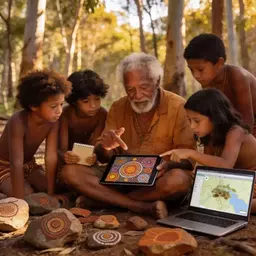
- Technological innovations, such as apps, that facilitate language acquisition.
- Collaborative language revitalization programs that involve grassroots participation.
At the Aboriginal Centre, we aim to connect individuals and organizations with these innovative strategies, emphasizing the role of community engagement in language preservation. Together, we can build a future where Aboriginal languages thrive and flourish, ensuring that the stories and traditions they carry continue to inspire generations to come.
Pro Tip
Did you know? Engaging with Aboriginal languages can significantly enhance your understanding of Indigenous culture. Consider attending a local workshop or utilizing online resources to learn basic phrases. This not only aids in language preservation but also fosters a deeper connection with the community and its heritage.
Taking Action: Supporting Aboriginal Language Preservation
Supporting the preservation of Aboriginal languages is not just a mission for those directly involved in cultural education; it's a collective responsibility that enhances our diverse cultural landscape. At the Aboriginal Centre, we believe that every individual can play a part in this important cause. By understanding how to actively participate, we can create a stronger foundation for future generations.
There are many ways that individuals and communities can get involved in supporting Aboriginal language preservation:
- Engage with local Indigenous communities: Attend events, participate in workshops, or volunteer at cultural centers.
- Support Indigenous artists and creators: Share their work and promote their projects to raise awareness.
- Learn an Aboriginal language: Enroll in language classes or utilize online resources to deepen your understanding.
- Advocate for Indigenous rights: Stand up for policies that protect language and cultural heritage.
By taking these steps, we contribute to a larger movement that respects and cherishes the heritage of Aboriginal peoples. For more ways to support Indigenous communities, consider reading about supporting Indigenous communities: what you need to know.
Advocating for Policy Changes and Funding Opportunities
Effective advocacy is essential for the survival of Aboriginal languages. This can involve pushing for policy changes that recognize the importance of language revitalization programs. Many communities struggle with funding gaps that limit access to educational resources and programs dedicated to language learning. Individuals can advocate by:
- Contacting local representatives: Express support for policies that fund language preservation initiatives.
- Participating in public forums: Engage in discussions about language rights and the need for educational support.
- Collaborating with NGOs: Work alongside organizations focused on Indigenous rights and language preservation.
When we advocate collectively, we amplify our voices and create a stronger impact.
The Role of Language Activists in Promoting Indigenous Education
Language activists play a vital role in the revitalization of Aboriginal languages. They are often the driving force behind educational initiatives that aim to elevate Indigenous voices and knowledge. At the Aboriginal Centre, we are proud to collaborate with such passionate activists. Their contributions include:
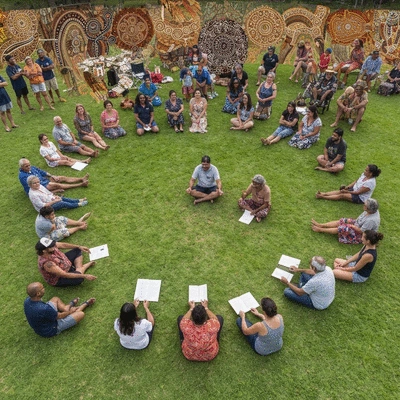
- Hosting workshops and events: Organizing gatherings that celebrate language, culture, and community.
- Creating educational materials: Developing resources that assist in teaching and learning Indigenous languages.
- Building networks: Connecting individuals and organizations to share knowledge and resources.
By supporting language activists, we not only honor their efforts but also help to sustain the cultural richness of Aboriginal identity. Together, we can continue to lay a foundation for a vibrant future rooted in the languages and traditions of our ancestors.
Frequently Asked Questions (FAQs)
Why is preserving Aboriginal languages important?
Preserving Aboriginal languages is crucial because they are vital to cultural identity, traditional knowledge, and community health. Languages serve as vessels for stories, customs, and histories, reflecting unique perspectives on the world and fostering a sense of belonging among Indigenous peoples.
How do Aboriginal languages connect to cultural identity?
Aboriginal languages are deeply intertwined with cultural identity by encoding knowledge about flora and fauna, carrying traditional ecological wisdom, and fostering a strong sense of community. They are living expressions of traditions and practices that have flourished for thousands of years.
What impact does language preservation have on community health?
Research indicates that individuals who speak their native languages often experience better mental health and overall well-being. Language preservation strengthens community ties, fosters resilience, and empowers individuals to reclaim their cultural narratives and histories, contributing to the broader movement for Indigenous rights and autonomy.
What are some modern strategies for revitalizing Aboriginal languages?
Modern revitalization strategies include community-led projects that engage local people in language teaching, technological innovations such as apps for language acquisition, and collaborative grassroots programs. These approaches aim to breathe new life into languages and foster empowerment within communities.
How can individuals support Aboriginal language preservation?
Individuals can support Aboriginal language preservation by engaging with local Indigenous communities, supporting Indigenous artists and creators, learning an Aboriginal language, and advocating for policies that protect language and cultural heritage. Collective action amplifies these efforts and creates a stronger impact.
Recap of Key Points
Here is a quick recap of the important points discussed in the article:
- Preserving Aboriginal languages is crucial for maintaining cultural identity and traditional knowledge.
- Language connects Indigenous peoples to their history, land, and community, promoting mental health and well-being.
- Engaging with Aboriginal languages revitalizes cultural narratives and fosters a sense of belonging.
- Modern revitalization strategies, such as community-led projects and technology, are key to language preservation.
- Individuals can support Aboriginal language preservation through advocacy, learning, and community engagement.