What if a simple image could encapsulate centuries of culture, wisdom, and identity? That’s the power of Aboriginal symbols, which convey deep connections to land, community, and spirituality.
What You Will Learn
- Aboriginal symbols are cultural signifiers that convey stories and identity, bridging past and present.
- Understanding symbols like U-shapes and circles enhances appreciation of Aboriginal community values and traditions.
- Dreamtime narratives are integral to Aboriginal culture; symbols often depict elements of these stories, illustrating moral teachings.
- Spiritual significance in Aboriginal art reflects connection to land and ancestors, emphasizing the role of community in cultural practices.
- Engaging with Aboriginal culture through visits to cultural centers and workshops supports Indigenous artists and preserves their heritage.
Aboriginal Symbols: Meaning, Stories, and Cultural Heritage
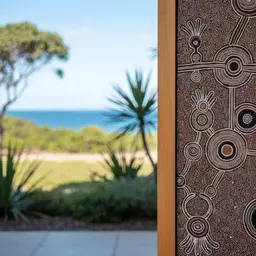
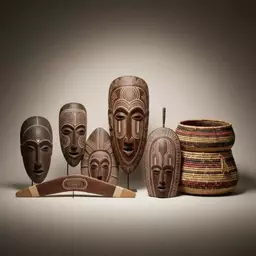
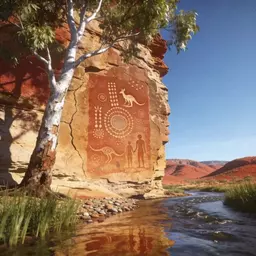
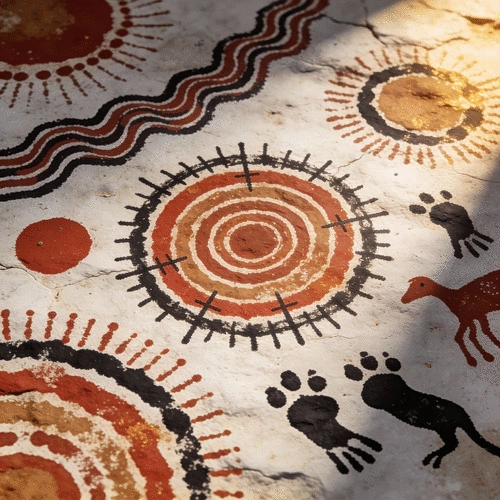
This visual summarizes the intricate relationship between Aboriginal symbols, nature, spirituality, and community, highlighting key aspects of their cultural significance.
Core Aspects of Aboriginal Symbols
Connection to Nature
Spiritual Insights
Community Stories
Historical Vessels
Symbol Meanings
- U
U-shapes: Community & Connection
- O
Circles: Waterholes & Gathering Places
- 🐾
Animal Tracks: Presence & Movement
Understanding Aboriginal Symbols: Cultural Significance and Artistic Expression
Aboriginal symbols are not merely decorative elements; they serve as profound cultural signifiers that encapsulate stories, knowledge, and the identity of Indigenous peoples. Each symbol carries layers of meaning, reflecting a deep connection to the land and cultural heritage. At the Aboriginal Centre, we strive to unravel these meanings, fostering appreciation for these artistic expressions that are integral to Aboriginal identity.
In many Aboriginal societies, symbols are a language of their own, conveying messages that can transcend verbal communication. They are found in various forms of art, from paintings to carvings, and are essential in storytelling and cultural transmission. Understanding these symbols allows us to engage more deeply with the culture and its narratives.
What are Aboriginal Symbols and Their Importance in Indigenous Culture?
Aboriginal symbols serve as a bridge between generations, providing insights into the values and traditions of Indigenous communities. They are vital in teaching younger generations about their identity and history. Some examples of significant symbols include:
- U-shapes: Represent various aspects of community and connection.
- Circles: Often signify waterholes or gathering places.
- Animal tracks: Indicate the presence and movement of animals, essential in survival.
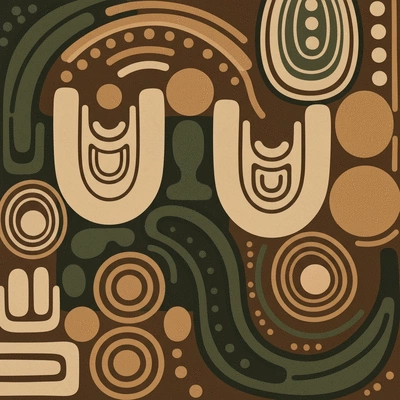
By exploring these symbols, we gain a clearer understanding of the rich tapestry that is Aboriginal culture, which is both ancient and contemporary. They remind us of the connection between people and the land, a principle that is central to Indigenous philosophies.
Exploring the Connection Between Aboriginal Symbols and Dreamtime Narratives
Dreamtime narratives are fundamental to Aboriginal culture, providing a spiritual framework for understanding the world. Aboriginal symbols often depict elements of these stories, embodying the teachings and morals passed down through generations. For instance, the representation of various animals in the art can be closely tied to their roles in Dreamtime stories, illustrating creation and the interconnectedness of all living things.
Through symbols, we can witness how Dreamtime myths shape our perception of nature, community, and identity. At the Aboriginal Centre, we share these narratives alongside the artwork, providing a fuller context for appreciation. Have you ever wondered how a simple symbol might tell a story that spans generations?
The Role of Spiritual Significance in Aboriginal Art and Culture
The spiritual significance of Aboriginal art cannot be overstated. It serves as a medium for expressing beliefs and practices that are vital to the identity of Indigenous Australians. Many artworks are created with intentionality, infusing spiritual energy into their designs. This connection to spirituality not only honors the ancestors but also engages the viewer on a deeper level.
Some key aspects of this spiritual significance include:
- Connection to land: Symbols often reflect the landscape, showing how Aboriginal people view their environment.
- Respect for ancestors: Each symbol can represent stories of ancestors, fostering respect for those who came before.
- Expression of community: Art is often a collective effort, highlighting the importance of community in cultural practices.
By understanding the spiritual dimensions of Aboriginal symbols, we can better appreciate their role in not just art, but in the very essence of Indigenous life. This journey of discovery is what we aim to facilitate at the Aboriginal Centre—a journey that enriches our understanding of the world around us.
Pro Tip
When exploring Aboriginal symbols, take a moment to reflect on the stories they tell. Consider visiting local art exhibitions or cultural festivals to see these symbols in context. Engaging with the artists and community members can offer invaluable insights into their meanings, enriching your understanding of Aboriginal culture.
Key Takeaways on Aboriginal Symbols: Meaning, Stories, and Cultural Heritage
As we wrap up our exploration of Aboriginal symbols, it's clear that these icons are more than mere artistic expressions; they are vessels of history, stories, and cultural significance. Each symbol tells a tale, offering insights into the beliefs and values of Indigenous peoples. From the U-shapes that signify community to the concentric circles that represent vital water sources, every element carries meaning that connects us to the land and its people.
Understanding these symbols enriches our appreciation for Aboriginal culture. It's not just about recognizing the visual elements but engaging with the stories they embody. By taking the time to learn and reflect on these narratives, we cultivate a deeper respect for the heritage and traditions of Aboriginal Australians.
Summarizing the Rich Narratives Behind Aboriginal Art Symbols
The narratives behind Aboriginal art symbols weave together the dreams, landscapes, and lives of Indigenous communities. Here are some key points that encapsulate their rich meanings:
- Connection to Nature: Many symbols reflect the natural world, illustrating relationships with animals, plants, and celestial bodies.
- Spiritual Insights: Symbols often reveal spiritual beliefs and connection to ancestors, serving as a bridge between past and present.
- Community Stories: They embody collective experiences, highlighting values like kinship, respect, and resilience.
These elements demonstrate how art serves not just as a visual language but as a means of preserving and transmitting cultural heritage. By recognizing these narratives, we can appreciate the depth and diversity of Aboriginal identities.

Encouraging Engagement: How to Learn More and Support Indigenous Art
Embracing Aboriginal culture begins with education and engagement. Here’s how you can deepen your understanding and support Indigenous art:
- Visit Cultural Centres: Engage with local Aboriginal centers like the Aboriginal Centre to learn from authentic sources and cultural educators.
- Attend Workshops: Participate in art workshops that explore traditional techniques and the meanings behind symbols.
- Buy Authentic Art: Support Indigenous artists by purchasing authentic artworks that reflect their culture and stories.
Each of these actions not only enriches your personal journey but also contributes to the sustainability and recognition of Indigenous cultures. Together, we can foster a community that respects and celebrates Aboriginal art.
Join the Conversation: Share Your Stories and Insights
Inviting Reader Contributions: Personal Interpretations of Aboriginal Symbols
Now that we’ve explored the significance of Aboriginal symbols, I invite you to share your thoughts and experiences. Have you encountered any symbols that resonated with you? What stories do they evoke? Your insights not only enrich the conversation but help us all understand these symbols in new ways!
Resources for Further Exploration: Books, Documentaries, and Native Guides
To continue your journey of discovery, consider exploring these valuable resources:
- Books: Look for titles that cover Aboriginal history, art, and symbolism.
- Documentaries: Watch films that showcase Aboriginal artists and their creative processes.
- Guided Tours: Participate in tours led by Indigenous guides who share their perspectives and stories.
Each of these resources can deepen your understanding and appreciation of Aboriginal culture, making it a more enriching experience.
Understanding Yarning Circles: A Tool for Community Engagement and Storytelling
Yarning circles are a traditional method of sharing stories and knowledge within Aboriginal communities. This practice not only fosters connection and respect but also allows for shared experiences to flourish. In a yarning circle, everyone has the opportunity to speak and listen, promoting a sense of belonging and understanding.
Incorporating yarning circles into your learning journey can enhance your engagement with Aboriginal culture. Whether in a classroom, community gathering, or informal setting, these circles invite collaboration and reflection. Have you experienced a yarning circle? What stories did it unveil?
Recap of Key Points
Here is a quick recap of the important points discussed in the article:
- Aboriginal Symbols: Serve as profound cultural signifiers that encapsulate stories and identity.
- Importance in Indigenous Culture: These symbols act as a bridge between generations, teaching values and traditions.
- Connection to Dreamtime Narratives: Symbols often depict elements of Dreamtime stories, illustrating creation and interconnectedness.
- Spiritual Significance: Reflects the landscape and fosters respect for ancestors, highlighting community and cultural practices.
- Encouraging Engagement: Visiting cultural centers, attending workshops, and purchasing authentic art are ways to support Indigenous culture.
Frequently Asked Questions
What are Aboriginal symbols?
Aboriginal symbols are cultural signifiers that convey stories, knowledge, and the identity of Indigenous peoples, reflecting a deep connection to land and cultural heritage.
Why are U-shapes and circles significant in Aboriginal art?
U-shapes often represent aspects of community and connection, while circles typically signify waterholes or gathering places, both vital elements in Aboriginal life and storytelling.
How do Aboriginal symbols relate to Dreamtime narratives?
Aboriginal symbols frequently depict elements of Dreamtime stories, embodying the teachings, morals, and creation myths passed down through generations, illustrating the interconnectedness of all living things.
What is the spiritual significance of Aboriginal art?
Aboriginal art is spiritually significant as it expresses beliefs and practices vital to Indigenous identity. It reflects connection to land, respect for ancestors, and the importance of community in cultural practices.
How can I support and learn more about Indigenous art and culture?
You can support and learn more by visiting cultural centers, attending art workshops, purchasing authentic art from Indigenous artists, and exploring resources like books, documentaries, and guided tours led by Indigenous guides.