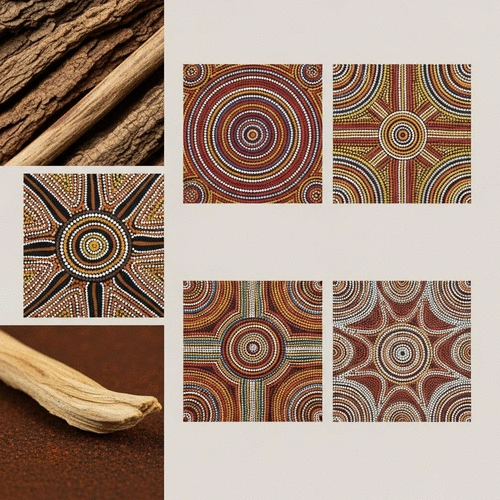
Have you ever paused to consider the stories behind the symbols in Aboriginal art? Each symbol is a doorway into the rich tapestry of Indigenous culture, revealing intricate narratives of identity, spirituality, and connection to the land.
What You Will Learn
- Aboriginal art symbols are visual shorthand that convey deep cultural meanings, representing elements from nature and community.
- Storytelling is central to Aboriginal culture, with symbols serving as a means to share histories and moral lessons across generations.
- The connection between symbols and Dreamtime stories enriches our understanding of Aboriginal identity and spirituality.
- Common Aboriginal symbols, such as circles for sacred sites and U-shapes for meeting places, reveal the intricate relationships between people, land, and culture.
- Regional variations of symbols highlight the diverse cultural practices and beliefs across different Aboriginal communities in Australia.
- Understanding the context, artist's intent, and symbols used in Aboriginal paintings enhances appreciation for their cultural significance.
- Traditional designs continue to influence contemporary Aboriginal art, bridging ancient practices with modern expressions of identity.
- Engagement with Aboriginal art can foster cultural respect and understanding, encouraging ongoing conversations about identity and heritage.
Key Aboriginal Art Symbols and Their Meanings
Aboriginal art symbols are a profound visual language, communicating rich cultural stories and connections to the land. These symbols serve as identity representations and visual narratives. Below are some common symbols and their interpretations. For a deeper dive into the significance, explore understanding Aboriginal symbolism and stories.
Circles
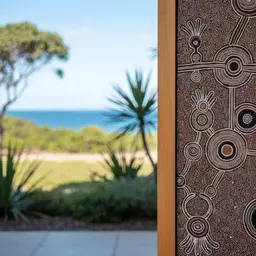
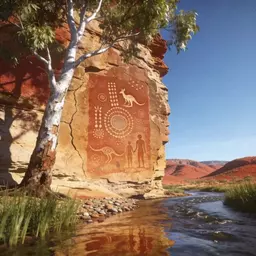
Often represent waterholes or sacred sites, vital sources of life and community gathering places. They signify sustenance and connection.
U-shapes
Can signify camps or meeting places, highlighting the importance of coming together for discussions, ceremonies, and communal life.
Animal Tracks
Indicate the presence of animals and the deep relationship between people and wildlife, often used for storytelling and tracking.
Rainbow Serpent
A significant creator being in Dreamtime stories, symbolizing fertility, life-giving forces of water, and the shaping of landscapes.
Understanding Aboriginal Art Symbols and Their Meanings
Aboriginal art symbols are more than just decorative elements; they serve as a profound language that communicates the rich culture and history of Indigenous peoples. These symbols encapsulate significant stories, cultural beliefs, and connections to the land. Each symbol is a representation of identity and serves as a visual narrative that speaks to the viewer’s understanding of Aboriginal customs and traditions.
At the Aboriginal Centre, we strive to highlight the importance of these symbols in fostering cultural clarity. Understanding them enables us to appreciate the layers of meaning behind Aboriginal artistry and their relevance in contemporary society. You can learn more about Aboriginal cultural heritage explained in depth.
What are Aboriginal Art Symbols?
Aboriginal art symbols can be described as visual shorthand used by Indigenous Australians to convey intricate messages about their environment, history, and spirituality. Each symbol carries a specific meaning and often represents elements from the natural world, such as animals, plants, and landscapes. These symbols are not merely aesthetic; they are deeply intertwined with Aboriginal culture and serve functions beyond art.
- Storytelling: Communicates oral histories and ancestral knowledge.
- Spirituality: Represents connections to the land and Dreamtime beliefs.
- Identity: Reflects cultural identity and communal ties.
The significance of these symbols cannot be overstated. They embody the values and teachings of Aboriginal communities, connecting the past to the present and guiding future generations. By understanding these symbols, we can connect with the stories they tell and the heritage they represent.
The Role of Symbols in Aboriginal Storytelling
In Aboriginal culture, storytelling is an essential means of passing down knowledge. Without written language, symbols function as a visual narrative that conveys laws, customs, and survival knowledge. Through symbols, stories of creation, significant events, and moral lessons are shared across generations, ensuring that cultural wisdom remains alive.
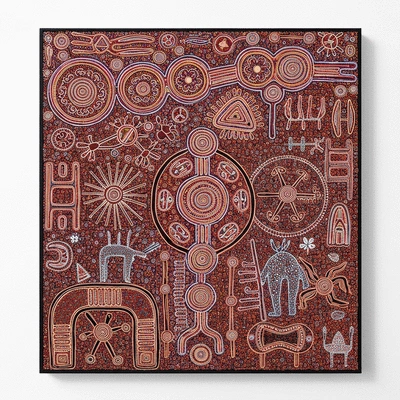
For instance, a simple U-shape might signify a camp or a meeting place, while a series of concentric circles could represent waterholes or sacred sites. These symbols allow for a rich tapestry of tales to unfold, encapsulating the Indigenous worldview in a manner that is both accessible and profound.
Exploring the Depth of Aboriginal Art Symbolism
The Connection Between Symbols and Dreamtime Stories
Dreamtime, or the time of creation, is central to Aboriginal spirituality and culture. Symbols used in art often echo the narratives of Dreamtime stories, linking them to creation ancestors and sacred sites. Each symbol acts as a portal to these ancient tales—stories that explain the origins of the world, its inhabitants, and the laws governing their existence.
These relationships between symbols and Dreamtime stories enrich our understanding of Aboriginal identity. By exploring the art, we engage with the spiritual and cultural narratives that define Aboriginal communities.
Common Aboriginal Art Symbols and Their Meanings
To better appreciate Aboriginal art, let's look at some common symbols and their meanings:
- Circles: Often represent waterholes or sacred sites.
- U-shapes: Can signify camps or meeting places.
- Animal tracks: Indicate the presence of animals and the relationship between people and wildlife.
These symbols serve as a bridge between culture and the viewer, inviting us to explore the profound connections Indigenous peoples have with their land and heritage.
Key Symbols and Their Interpretations
Understanding individual symbols can deepen our appreciation of Aboriginal art. For example:
- Rainbow Serpent: A significant creator being in Dreamtime stories, symbolizing fertility and the life-giving forces of water.
- Waterholes: Essential sources of life represented as circles; they signify community gathering and sustenance.
- Meeting Places: Often represented by U-shapes, indicating the importance of coming together for discussions and ceremonies.
Each symbol is rich with context, offering insights into the spiritual beliefs and everyday lives of Aboriginal peoples. As we engage with these symbols, we can uncover not just their meanings, but the stories they carry.
Context Matters: Regional Variations in Symbol Meanings
It's crucial to recognize that Aboriginal art symbols can vary widely across different regions and language groups. A symbol that holds one meaning in one area might convey an entirely different message in another. This diversity highlights the rich tapestry of Aboriginal cultures across Australia.
For example, symbols used in coastal regions may reflect marine life and waterways, while those from the desert regions often connect to arid landscapes and the animals that inhabit them. Understanding these regional variations allows us to appreciate the complexity of Aboriginal art and the myriad ways it reflects cultural identity.
How to Read Aboriginal Paintings: A Practical Framework
Approaching Aboriginal art requires an understanding of several key elements:
- Context: Consider the cultural background of the artist and the community.
- Artist's Intent: Explore what the artist aims to convey through their work.
- Symbol Interpretation: Examine the symbols used and their meanings within the cultural context.
By utilizing this framework, we can gain a deeper appreciation of Aboriginal paintings, understanding them not merely as art but as vital expressions of culture and identity.
The Influence of Traditional Designs in Contemporary Art
Traditional designs have significantly influenced modern Aboriginal art forms. Contemporary artists often incorporate age-old techniques and symbols, such as dot painting and bark painting, reinterpreting them for today's audiences. This blend of traditional and contemporary styles allows for a vibrant dialogue between past and present. If you're looking to support Indigenous artists, consider buying authentic Aboriginal art online.
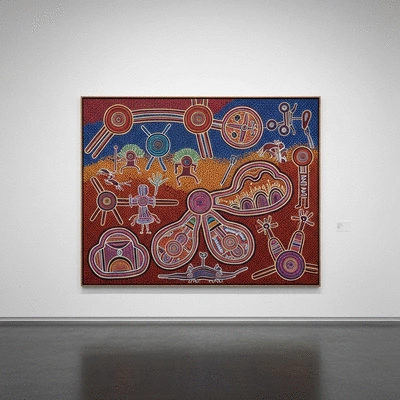
As we explore these artworks, we can see how traditional designs are reimagined, reflecting not only heritage but also contemporary issues facing Aboriginal communities today.
Understanding Jukurrpa and Tjukurpa in Aboriginal Art
Jukurrpa and Tjukurpa are integral concepts in Aboriginal mythology, referencing the Dreamtime and the stories that describe the creation of life and the rules governing human conduct. These ideas are often visually represented in Aboriginal art, serving as a continuous reminder of the connection to land and ancestors.
Through art, we witness how these narratives are preserved and passed on, reinforcing the significance of Jukurrpa and Tjukurpa in maintaining cultural identity and continuity.
Interactive Poll: Your Thoughts on Aboriginal Art Symbols
As we explore the significance of Aboriginal art symbols, we want to hear your opinions! Which aspect of Aboriginal art resonates with you the most?
Frequently Asked Questions About Aboriginal Art Symbols
What do Aboriginal art symbols represent?
Aboriginal art symbols are visual shorthand conveying deep cultural meanings, representing elements from nature, community, and ancestral stories. They communicate oral histories, spiritual beliefs, and connections to the land.
How do symbols contribute to Aboriginal storytelling?
Symbols are central to Aboriginal storytelling, serving as a visual narrative to share laws, customs, survival knowledge, creation stories, and moral lessons across generations, especially in the absence of a written language.
What is the connection between symbols and Dreamtime stories?
Dreamtime, the time of creation, is central to Aboriginal spirituality. Symbols in art often echo Dreamtime narratives, linking them to creation ancestors and sacred sites, explaining the origins of the world and its inhabitants.
Do Aboriginal art symbols have different meanings in different regions?
Yes, Aboriginal art symbols can vary widely in meaning across different regions and language groups in Australia. This diversity reflects the rich tapestry of Aboriginal cultures and their unique connections to local landscapes and traditions.
How can I better understand Aboriginal paintings?
To better understand Aboriginal paintings, consider the cultural background of the artist and community, explore the artist's intent, and examine the symbols used within their cultural context. This framework helps in appreciating them as vital cultural expressions.
Summarizing the Significance of Aboriginal Art Symbols
Understanding Aboriginal art symbols is crucial for appreciating the richness of Indigenous culture. These symbols are not just artistic expressions; they serve as a vital language of communication that reflects the histories, beliefs, and connections of Aboriginal peoples to their land and ancestors. By delving into these symbols, we can foster a deeper respect and understanding of the stories they tell.
Each symbol carries layers of meaning, often intricately tied to the Dreamtime stories—the foundation of Aboriginal culture. Engaging with these symbols allows us to celebrate a heritage that is both ancient and evolving, inviting us to recognize the ongoing narratives that shape Indigenous identity today.
Engaging with Aboriginal Art: Next Steps for Art Enthusiasts
If you're interested in exploring Aboriginal art further, I encourage you to visit galleries and community centers that showcase Indigenous artists. Supporting these creators is not only about buying art; it's about acknowledging their contributions and sharing in their stories. Here are some ways you can engage:
- Visit local exhibitions featuring Aboriginal art.
- Participate in community workshops focused on traditional art techniques.
- Purchase art pieces directly from Indigenous artists to support their work.
- Attend talks or lectures hosted by cultural organizations.
By engaging with Aboriginal art and its creators, we can actively participate in the conversations that surround these cultural expressions and help in the ongoing journey of reconciliation.
Invitation to Respect and Learn
I invite you to approach Aboriginal art with an open heart and mind, recognizing the importance of cultural sensitivity. As you explore, consider the stories behind the symbols and the voices of the artists. Ongoing cultural education is key to building understanding; be curious, ask questions, and be respectful of the meanings held within each piece. It’s through respectful engagement that we can appreciate the depth of Aboriginal artistry. To further your knowledge, consider exploring Aboriginal history and its key events.
Remember, learning about Aboriginal art is not just a one-time experience—it's a commitment to being part of a larger narrative. By understanding and respecting these symbols, we play a role in preserving and sharing Indigenous culture.
Exploring Community Art Projects and Workshops
Participating in community art projects and workshops can significantly deepen your understanding of Aboriginal art. These experiences provide firsthand knowledge of the techniques and traditions that shape this art form. Here are some opportunities to consider:
- Join workshops at the Aboriginal Centre focused on traditional painting techniques.
- Engage in community mural projects that highlight local Indigenous stories.
- Attend storytelling sessions that accompany art creation, enhancing your grasp of cultural narratives.
Getting involved in such activities not only enriches your understanding but also builds connections with the Indigenous community. It’s a chance to learn directly from artists and to witness the vibrant culture that inspires their work. So, let’s celebrate and respect Aboriginal art together!
Recap of Key Points
Here is a quick recap of the important points discussed in the article:
- Aboriginal art symbols communicate rich cultural stories and beliefs, serving as a vital language of identity.
- Storytelling through symbols preserves oral histories and ancestral knowledge, connecting generations.
- Dreamtime narratives are intricately linked to symbols, enriching the understanding of Aboriginal spirituality and culture.
- Regional variations in symbol meanings highlight the diversity of Aboriginal cultures across Australia.
- Engagement with Aboriginal art fosters cultural respect and understanding; visiting galleries and participating in workshops are excellent ways to connect.