Did you know that the Aboriginal flag is more than a symbol; it embodies the stories and experiences of Aboriginal people across Australia? Its colors and designs speak volumes about resilience, culture, and identity. Let’s explore the key lessons that this powerful emblem offers.
What You Will Learn
- The Aboriginal flag was designed in 1971 by Harold Thomas as a symbol of Aboriginal rights and identity.
- Each color of the flag—black, yellow, and red—carries profound significance, representing the people, the sun, and the earth, respectively.
- The flag plays a key role in various cultural ceremonies, reinforcing its importance in the fight for Indigenous rights.
- Personal stories highlight how the flag continues to impact the lives and identities of Aboriginal Australians today.
- The flag is a vital symbol in the ongoing movements for reconciliation, education, and advocacy for Indigenous rights in contemporary society.
Key Milestones: The Aboriginal Flag's Journey
The Aboriginal flag has a rich history, marked by significant moments in its journey from a symbol of resistance to an officially recognized national flag. These milestones reflect its evolving role in advocating for Indigenous rights and identity. For a broader understanding of significant events, consider exploring an Aboriginal history key events timeline.
1971
First Flight
Flown at a land rights conference in Adelaide by Harold Thomas.
1972
Adopted by Tent Embassy
Became symbol of land rights at Aboriginal Tent Embassy in Canberra.
1995
Official Recognition
Gained official recognition as a national flag of Australia.
2022
Copyright Updates
Copyright laws updated to ensure protection and promote usage.
The Australian Aboriginal Flag: A Symbol of Identity and Resistance
The Australian Aboriginal flag is not just a piece of fabric; it's a powerful symbol of identity and resistance for Aboriginal Australians and Torres Strait Islanders. Its striking colors and shapes tell a story of resilience and cultural pride. At the Aboriginal Centre, we believe it's essential to explore the history and significance of this emblem to deepen our understanding of Aboriginal culture and identity.
As we journey through the origins and symbolism of the flag, we invite you to reflect on what it represents for Indigenous peoples today. Let’s dive into the timeline of this iconic flag’s creation and the milestones that defined its journey.

Understanding the Origins of the Aboriginal Flag
The Aboriginal flag was first designed in 1971 by Aboriginal artist Harold Thomas. It was created as a symbol of the struggle for Aboriginal rights and identity. Here’s a brief timeline highlighting significant milestones in its history:
- 1971: The flag was first flown at a land rights conference in Adelaide.
- 1972: It was adopted by the Aboriginal Tent Embassy in Canberra, representing the fight for land rights.
- 1995: The flag gained official recognition as a national flag of Australia.
- 2022: Updates were made to copyright laws, ensuring the flag’s protection and promoting its usage.
As we see, the flag’s origins are deeply intertwined with the quest for justice and recognition. It's a powerful reminder that symbols can have profound meanings and implications when tied to history.
Who Designed the Aboriginal Flag? A Look at Harold Thomas
Harold Thomas, an Indigenous artist, created the flag with the vision of representing Aboriginal people’s connection to the land and their ongoing fight for rights. His background and experiences as a member of the Luritja people informed his design choices. The flag was a response to the struggles faced by Aboriginal communities, and it encapsulated a message of hope and resilience.
Thomas wanted the flag to evoke a sense of pride among Aboriginal Australians. His artistic vision has inspired countless individuals to embrace their identity and advocate for their rights. It’s touching to see how his work continues to influence the ongoing conversations about Aboriginal culture today.
Decoding the Colors: Symbolism of the Aboriginal Flag
Understanding the colors of the Aboriginal flag is crucial for grasping its full significance. Each color embodies a fundamental aspect of Aboriginal identity and spirituality, making it a rich tapestry of meaning. Let’s break down what each color represents.
The Meaning Behind the Black, Yellow, and Red Colors
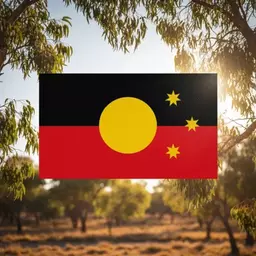
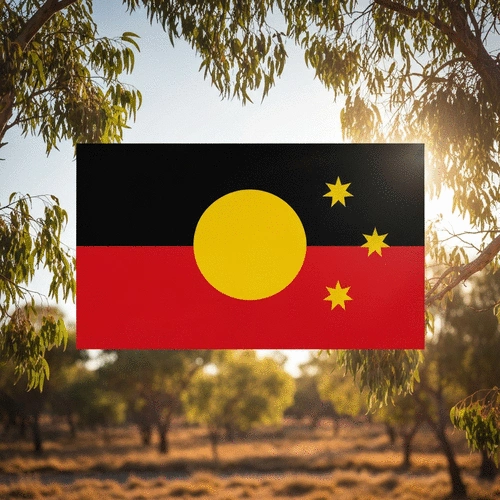
The Aboriginal flag features three distinct colors: black, yellow, and red. Each color carries deep symbolism:
- Black: Represents the Aboriginal people—an acknowledgment of their deep connection to this land.
- Yellow: Symbolizes the sun, which is a giver of life and represents the importance of nature.
- Red: Represents the earth and the ochre that plays a significant role in Aboriginal culture and art. For more on this, discover the depth of understanding Aboriginal symbolism and stories.
Each color brings forth a sense of unity among Aboriginal Australians, reflecting their rich heritage and connection to the environment. Have you ever wondered how these colors resonate with the stories of the land and its people?

How the Flag Relates to Cultural Ceremonies and Spirituality
The Aboriginal flag is more than a symbol; it’s integrated into various cultural ceremonies and spiritual practices. It plays a key role in ochre ceremonies, where the ochre represents the earth and the kinship to the land. The flag’s presence during these ceremonies signifies strength and unity in the fight for Indigenous rights.
During significant events like NAIDOC Week, the flag becomes a focal point, reminding both Indigenous and non-Indigenous Australians of the ongoing journey towards reconciliation and respect for Aboriginal cultures. It’s a powerful statement about the importance of cultural identity and community.
The Role of Aboriginal Art in Expressing Cultural Identity
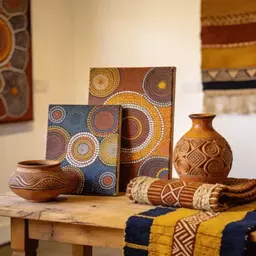
Aboriginal art is deeply intertwined with the symbolism of the flag. Various artistic expressions, from traditional dot paintings to modern interpretations, often echo the themes represented by the flag’s colors. These artworks serve as a visual storytelling medium, embodying the rich history, spirituality, and cultural narratives of Indigenous peoples.
At the Aboriginal Centre, we celebrate this connection by showcasing art that not only beautifies but also educates our audience about the stories behind the colors and patterns. How do you see art as a vessel for cultural expression and identity?
The Historical Context of the Aboriginal Flag's Adoption
Understanding the historical context of the Aboriginal flag's adoption helps us appreciate its significance even more. The flag has been a powerful tool in the fight for rights and recognition, serving as a rallying point during pivotal moments in Australia's history.
Interactive Poll: Your Perspective Matters!
As we explore the cultural significance of the Aboriginal flag, we want to hear from you! How do you perceive the impact of the flag in today's society? Choose one of the options below:
The Contemporary Relevance of the Aboriginal Flag
Indigenous Voices: Personal Stories and Modern Significance
Today, the Aboriginal flag represents more than just a symbol; it embodies the stories and experiences of Aboriginal people across Australia. I often hear powerful testimonials from community members who share how the flag has impacted their lives and identities. For many, seeing the flag flown proudly in their communities evokes a sense of belonging and cultural pride.
- Empowerment: Many individuals speak of how the flag inspires them to connect with their heritage and advocate for their rights.
- Unity: It serves as a reminder of the importance of community solidarity and collective action in addressing social injustices.
- Visibility: The flag's presence in public spaces helps raise awareness about Indigenous issues and fosters dialogue among diverse audiences.
At the Aboriginal Centre, we cherish these personal stories, as they highlight the profound impact of the flag in contemporary society. Each narrative weaves into a larger tapestry of resilience, showcasing how the flag continues to be a vital symbol in the fight for recognition and respect.
Future Considerations for the Aboriginal Flag and Its Role in Society
As we look to the future, the Aboriginal flag's role will undoubtedly evolve amidst ongoing social movements. The conversations surrounding Indigenous rights and reconciliation are ever-present, and the flag stands as a steadfast emblem of these efforts. I believe that the flag will continue to inspire future generations as discussions around sovereignty and cultural awareness grow. To delve deeper into protecting cultural heritage, explore digital strategies for Aboriginal heritage.
- Advocacy: The flag will remain a focal point for activism, particularly in relation to land rights and social justice.
- Education: It will play a crucial role in cultural education initiatives, promoting understanding of Aboriginal history and identity.
- Global Influence: As Australia engages with international conversations about Indigenous rights, the flag may also serve as a unifying symbol on a global stage.
With the rise of digital platforms and social media, I envision the Aboriginal flag being more than just a physical representation. It will resonate across boundaries, connecting people who share a commitment to respecting and celebrating Aboriginal culture.
Engage with the Cultural Significance of the Aboriginal Flag
Frequently Asked Questions About the Aboriginal Flag
Many people have questions about the Aboriginal flag, its meaning, and its significance. Here are some common queries:
- What do the colors of the flag represent? The black symbolizes Aboriginal people, yellow represents the sun, and red signifies the earth.
- When was the flag first used? The flag was first flown in 1971 and has since become a symbol of pride for Aboriginal Australians.
- Who designed the Aboriginal flag? The Aboriginal flag was designed by Indigenous artist Harold Thomas in 1971.
- Why is the Aboriginal flag important? It is a powerful symbol of identity, resistance, and unity for Aboriginal Australians, representing their connection to land, culture, and ongoing fight for rights.
- How can I respect the flag's cultural significance? It’s important to fly the flag respectfully, following cultural protocols and understanding its history.
These questions help to foster a greater understanding of the flag's history and importance in both Aboriginal and wider Australian culture. Encouraging curiosity and engagement is essential in promoting respect and appreciation for Indigenous identities.
Supporting Indigenous Rights and Cultural Awareness: The Role of the Aboriginal Flag
The Aboriginal flag has become a powerful symbol in the Indigenous Rights Movement, representing the ongoing struggle for equality and justice. At the Aboriginal Centre, we believe that the flag embodies a call to action for all Australians to support Indigenous rights and advocate for cultural awareness. Here are a few key ways the flag contributes to this movement:
- Raising Awareness: The flag serves as a visual reminder of the challenges faced by Aboriginal communities.
- Mobilizing Communities: It unites people in collective actions for social change, such as protests and NAIDOC celebrations.
- Promoting Education: The flag encourages discussions about Aboriginal history, culture, and ongoing issues affecting Indigenous peoples.
Through these efforts, the flag not only signifies cultural pride but also galvanizes support for the rights and recognition of Aboriginal Australians in society.
Reconciliation and Recognition of Aboriginal Peoples in Contemporary Australia
In recent years, the Aboriginal flag has taken on a crucial role within the context of reconciliation efforts in Australia. It symbolizes a path towards healing and mutual respect between Indigenous and non-Indigenous Australians. I often reflect on how the flag embodies the aspirations for a reconciled future, where Aboriginal voices are heard and valued. Understanding Aboriginal cultural heritage explained can further deepen this appreciation.
- Acknowledgment: The flag represents a commitment to acknowledging past injustices and working towards a shared future.
- Partnership: It fosters collaboration between Indigenous communities and broader society in addressing disparities.
- Celebration: The flag is celebrated during events that honor Aboriginal culture, reinforcing the importance of understanding and respect.
As we continue to engage with the cultural significance of the Aboriginal flag, we move forward collectively toward reconciliation, ensuring that the rich heritage of Aboriginal peoples is recognized and celebrated in contemporary Australia.
Recap of Key Points
Here is a quick recap of the important points discussed in the article:
- The Aboriginal flag, designed by Harold Thomas in 1971, symbolizes identity and resistance for Aboriginal Australians.
- The flag's colors—black, yellow, and red—represent the Aboriginal people, the sun, and the earth, respectively.
- The flag plays a crucial role in cultural ceremonies and is a focal point during events like NAIDOC Week.
- Personal stories highlight the flag's significance in contemporary society, fostering empowerment and unity among Indigenous communities.
- The flag serves as a powerful symbol in the ongoing fight for Indigenous rights and cultural awareness in Australia.