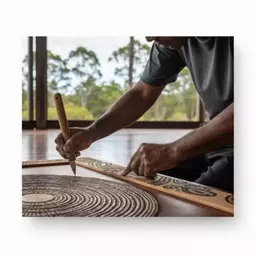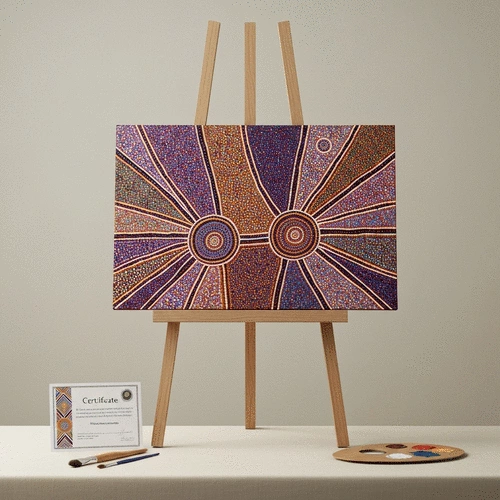
What stories might the intricate designs of Aboriginal art tell? Each piece is a gateway to understanding the rich cultural narratives that shape Indigenous identities. Let's explore the key insights that will deepen your appreciation for this vibrant art form.
What You Will Learn
- The significance of authenticity in Aboriginal art and its role in preserving cultural heritage.
- Key indicators for identifying authentic Aboriginal art, including cultural storytelling and proven provenance.
- Common symbols used in Aboriginal art and their meanings, enhancing your understanding of the narratives conveyed through artwork.
- The vital contribution of Aboriginal artists as custodians of culture and their impact on contemporary art markets.
- Steps to take when collecting Aboriginal art, from researching to engaging directly with artists and galleries.
Key Indicators for Identifying Authentic Aboriginal Art
To support genuine creators and appreciate the artistry fully, understanding these key indicators is essential. When considering the rich tapestry of Aboriginal art, it's crucial to acknowledge its cultural heritage, which is deeply interwoven into every design and story.
Cultural Storytelling
Artwork communicates narrative or cultural meaning.
Symbols & Meanings
Recognizing common motifs and their significance.
Provenance
History of ownership and authenticity verification.
Certified Authenticity
Documentation verifying the artist and the work.
Understanding Authentic Aboriginal Art: Importance of Authenticity
At the Aboriginal Centre, we deeply appreciate the significance of authenticity in Aboriginal art. Authentic artworks not only reflect the rich cultural heritage of Indigenous peoples but also hold substantial value for collectors and enthusiasts alike. When we talk about authenticity, we are discussing more than just a label; it's a commitment to honoring the stories, traditions, and identities that these works embody. In a world where replication can be easy, ensuring that the art we cherish is genuine is more important than ever!
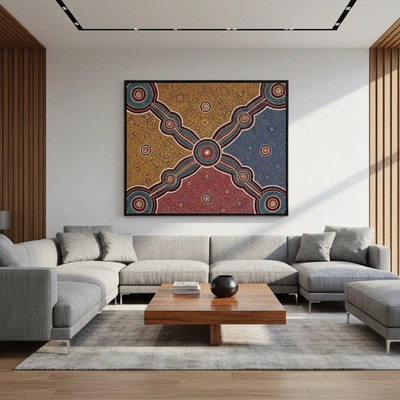
Moreover, understanding authenticity allows us to connect with the cultural narratives each piece represents. This connection fosters respect and appreciation for Aboriginal culture, which is at the heart of our mission at the Aboriginal Centre. When collectors choose authentic pieces, they support Indigenous artists and their communities, driving a positive impact on cultural preservation.
Identifying Authentic Aboriginal Art: Key Indicators
When it comes to identifying authentic Aboriginal art, there are several key indicators to consider. By being informed, you can not only appreciate the artistry but also ensure you are supporting genuine creators. Here’s a list of important elements to look for:
- Cultural Storytelling: How the artwork communicates a narrative or cultural meaning.
- Symbols and Meanings: Recognizing common motifs and their significance.
- Provenance: The history of ownership and authenticity verification.
- Certified Authenticity: Documentation that verifies the artist and the work.
Each of these indicators plays a crucial role in the appreciation of Aboriginal art. When you recognize these elements, you not only enhance your understanding but also honor the vibrant culture they represent. For a deeper dive into the meanings behind the art, consider exploring understanding Aboriginal art symbols.
Exploring Cultural Storytelling in Art
Every piece of Aboriginal art tells a story. The narratives embedded within the artwork are often derived from the ancient traditions and beliefs of Indigenous communities. For instance, you might notice how certain designs reflect creation stories or ancestral connections to the land. Understanding these stories allows you to appreciate the artwork on a deeper level, enhancing its authenticity. When you encounter a piece that resonates, take a moment to explore the narrative it conveys. What stories might it share about its creator or the culture it represents?
Symbols and Their Meanings: Recognizing Authentic Motifs
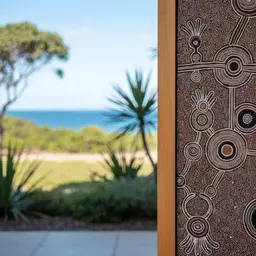
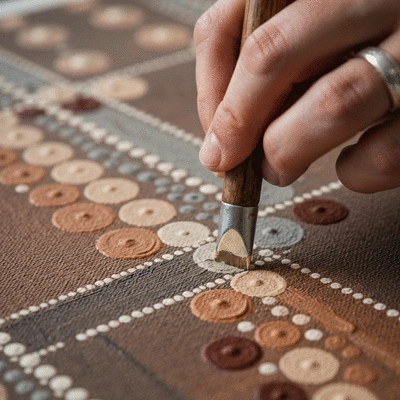
One of the remarkable aspects of Aboriginal art is the use of symbols that convey profound meanings. Here are some common symbols you might encounter:
- U-shapes: Often represent waterholes or campsites.
- Circles: Symbolize people or community.
- Lines and Dots: Represent pathways and journeys.
- Animal Shapes: Reflect the connection to nature and totemic beliefs.
Understanding these symbols not only aids in identifying authentic art but also enriches our appreciation of the cultural significance behind each piece. By embracing these motifs, we can honor the traditions that have shaped Aboriginal identity.
The Role of Aboriginal Artists in Cultural Heritage
Aboriginal artists play a vital role in preserving and promoting cultural heritage. Through their work, they express their identity, history, and connection to the land. These artists are not just creators; they are custodians of their culture, sharing stories that have been passed down through generations. At the Aboriginal Centre, we celebrate their contributions by providing a platform for their voices and art, ensuring they receive the recognition they deserve in the contemporary art market.
Moreover, when we support Aboriginal artists, we invest in the future of Indigenous cultures. It's essential to acknowledge the significance of their work and to buy art from reputable sources. By doing so, we actively participate in preserving these cultural narratives for future generations.
Pro Tip
To truly appreciate Aboriginal art, take the time to learn about the artist behind the piece. Understanding their background and the stories they wish to convey enhances your connection to the artwork and the culture it represents. Look for artist bios in galleries or online platforms to enrich your collecting experience!
Frequently Asked Questions (FAQs)
- What makes Aboriginal art authentic? Authentic Aboriginal art is characterized by its cultural storytelling, the use of traditional symbols with specific meanings, clear provenance (history of ownership), and certified authenticity from reputable sources.
- Why is authenticity important in Aboriginal art? Authenticity is crucial because it honors the stories, traditions, and identities of Indigenous peoples, supports genuine artists and their communities, and ensures the preservation of cultural heritage.
- What are common symbols in Aboriginal art and their meanings? Common symbols include U-shapes for waterholes or campsites, circles for people or community, lines and dots for pathways and journeys, and animal shapes reflecting nature and totemic beliefs.
- How can I identify authentic Aboriginal art when purchasing? Look for cultural storytelling, recognizable symbols, verified provenance documents, and certificates of authenticity. It's also recommended to purchase from reputable galleries or directly from artists.
- What role do Aboriginal artists play in cultural heritage? Aboriginal artists are vital custodians of their culture, using their art to express identity, history, and connection to the land, passing down stories and traditions through generations.
Recap of Key Points: Authentic Aboriginal Art Identification
As we delve into the world of Aboriginal art, it's vital to grasp the main indicators of authenticity. Recognizing genuine artworks not only enhances your collection but also supports Aboriginal artists and their rich cultural narratives. Here’s a brief summary of the key points we’ve covered:
- Cultural storytelling: Authentic art often tells a story through its symbols and motifs.
- Symbols and their meanings: Familiarity with common symbols, such as U-shapes and circles, can help identify genuine pieces.
- Provenance and certification: Understanding the importance of provenance helps verify the authenticity of artworks, while Certificates of Authenticity offer assurance.
- Technological advances: Modern methods like chemical codes and forensic analysis are valuable tools in art authentication.
- Ethical considerations: Supporting First Nations artists and being aware of red flags when purchasing art is crucial.
By keeping these elements in mind, you will be better equipped to appreciate and collect authentic Aboriginal art that resonates with its cultural significance. Remember, each piece you acquire is not just an artwork; it’s a connection to the stories and traditions of Aboriginal communities.
Art Galleries and Aboriginal Culture: A Path to Authenticity
Art galleries play a pivotal role in promoting authentic Aboriginal art and educating the public about its cultural significance. At the Aboriginal Centre, we strive to connect audiences with the stories behind each piece, fostering an appreciation for the rich heritage of Indigenous artists. Here are some ways that art galleries contribute to authenticity:
- Showcasing genuine works: Reputable galleries exclusively feature artworks by recognized Aboriginal artists, ensuring quality and authenticity.
- Educational programs: Many galleries offer workshops and talks that educate visitors about Aboriginal art, its history, and cultural context.
- Supporting artists: By collaborating with First Nations artists, galleries provide platforms for their voices and stories to be heard.
- Verification of provenance: Established galleries often have processes in place to verify the authenticity and provenance of the artworks they sell.
Visiting galleries dedicated to Aboriginal culture not only enriches your understanding but also supports the artists, allowing their traditions to thrive in contemporary society. As a passionate advocate for Aboriginal culture, I encourage you to seek out these spaces, as they serve as vital connections to understanding Indigenous artistry. For those looking to expand their collection, understanding buying authentic Aboriginal art online provides valuable guidance.
Taking Action: Your Next Steps in Collecting Art
Now that you’re equipped with the knowledge to identify authentic Aboriginal art, it’s time to take action! Here are some steps you can follow:
- Research: Dive deeper into Aboriginal art by reading books, articles, and online resources that focus on its history and significance.
- Engage with artists: Attend local art shows or community events to meet Aboriginal artists and hear their stories directly.
- Visit reputable galleries: Explore galleries that specialize in Aboriginal art to view and purchase genuine pieces.
- Ask questions: When considering a purchase, don’t hesitate to ask about provenance, Certificates of Authenticity, and the artist's background.
By actively engaging with the art community, you not only enhance your collection but also contribute to the ongoing celebration of Aboriginal culture. Let’s embrace the journey of collecting art with respect and appreciation for the rich narratives each piece conveys! What stories will you uncover next?
Recap of Key Points
Here is a quick recap of the important points discussed in the article:
- Cultural storytelling: Authentic Aboriginal art communicates narratives and cultural meanings through symbols and motifs.
- Symbols and their meanings: Familiarity with common symbols like U-shapes and circles can aid in identifying genuine pieces.
- Provenance and certification: Understanding the importance of provenance and Certificates of Authenticity ensures the authenticity of artworks.
- Technological advances: Modern methods, including chemical codes and forensic analysis, are valuable tools in art authentication.
- Ethical considerations: Supporting First Nations artists and being aware of potential red flags when purchasing art is crucial.