
Engaging with Aboriginal girl names opens a doorway to understanding the rich cultural narratives and connections that shape Indigenous identities. Each name tells a story, reflecting values, history, and a deep bond with the land.
What You Will Learn
- Names in Aboriginal cultures serve as powerful symbols of identity and heritage, connecting individuals to their community.
- Aboriginal girl names often reflect the natural environment, embodying respect for land and cultural values.
- Naming practices honor ancestors, reinforcing family connections and historical narratives within the community.
- Each Aboriginal language group has unique naming conventions, enriching the cultural diversity of Indigenous identities.
- Nature and mythology significantly influence name selections, linking personal identities to broader cultural stories.
- Engaging with Aboriginal cultures requires respect, curiosity, and a willingness to learn from the community’s traditions and practices.
Aboriginal Girl Names: Cultural Significance and Naming Practices
Delve into the rich meanings and traditions behind Aboriginal girl names, exploring their connection to land, ancestry, and cultural values across different language groups. Understanding these names is crucial for appreciating Aboriginal cultural heritage.
Cultural Roots of Aboriginal Girl Names
Traditional Meanings
Naming Conventions by Language Group
Understanding Aboriginal Girl Names and Their Significance
Names hold a profound importance in Aboriginal cultures, serving not only as identifiers but as embodiments of identity and connection to heritage. In my experience at the Aboriginal Centre, I have seen how the names chosen for individuals can reflect cultural histories and familial ties. Each name carries a story, a meaning that resonates deeply within the community, reinforcing a sense of belonging and continuity.
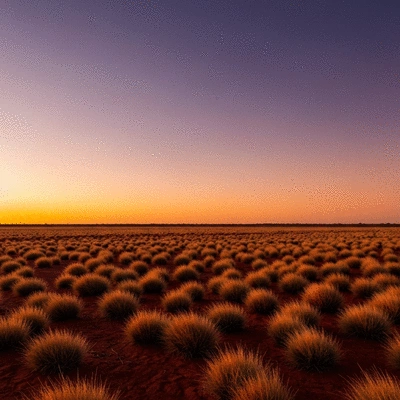
For Aboriginal peoples, names are much more than mere labels; they represent a bridge between the past and the present. They honor ancestors, embody cultural values, and often signify the land and natural elements surrounding the community. Understanding these names is vital for fostering cultural clarity and respect.
Exploring the Cultural Roots of Aboriginal Girl Names
Delving into the cultural roots of Aboriginal girl names reveals a tapestry of meanings and traditions. These names are often derived from the environment, expressing a deep respect for nature and its elements. For instance, many names resonate with stories and teachings about the land, animals, and spirits that are intrinsic to Aboriginal culture.
- Connection to Land: Names may reference specific places or natural features.
- Embodiment of Values: Many names express qualities such as strength, beauty, or wisdom.
- Honoring Ancestors: Names are often given to honor family lineage, connecting the present to the past.
By exploring the significance of these names, we can better appreciate the rich narratives that define Aboriginal identity. It's an invitation to share in a cultural legacy that is as vibrant as it is complex.
Traditional Meanings Behind Popular Aboriginal Girl Names
Many Aboriginal girl names come with beautiful meanings that reflect their cultural significance. Here’s a look at some popular names and what they symbolize:
- Bindi: Meaning “butterfly,” this name signifies transformation and beauty.
- Alinta: Meaning “fire,” it represents warmth, passion, and life.
- Kaya: Meaning “home,” it underscores a sense of belonging and safety.
These names not only provide individual identity but also embody values and stories that are vital to Aboriginal culture. Each name serves as a reminder of the connection between the individual and the community.
The Role of Ancestors in Name Selection
Ancestors play a pivotal role in the naming practices within Aboriginal cultures. When a name is chosen, it often reflects a lineage that honors the spirits and contributions of forebears. In many cases, names are passed down through generations, creating a thread that ties past to present.

This practice not only helps to retain cultural narratives but also enriches the identity of the individual. Holding onto names that reference ancestors reinforces the importance of family connections and cultural continuity, reminding us that we are all part of a larger story.
Traditional Naming Practices Across Different Aboriginal Languages
Diving into Language-Specific Dialects: Noongar, Nyungar, and Beyond
Aboriginal naming practices vary significantly across different language groups, each possessing unique conventions and meanings. For instance, in the Noongar language, names often reflect the natural environment, while the Nyungar dialect emphasizes familial connections. To learn more about these diverse practices, explore understanding Aboriginal naming traditions.
- Noongar: Names may relate to significant local flora and fauna.
- Nyungar: There’s a strong focus on community and kinship in naming.
- Yugambeh: Names often highlight historical events or ancestral spirits.
Understanding these variations enriches our comprehension of Aboriginal cultures and highlights the diversity within Indigenous identities.
Significance of Nature and Mythology in Naming
Nature and mythology play essential roles in the selection of names across Aboriginal groups. Names often draw inspiration from natural elements such as the sky, land, and water, reflecting the deep connection Aboriginal peoples have with their environment. Additionally, mythological figures and stories may influence name choices, linking individuals to broader cultural narratives.
Understanding Naming Conventions Across Language Groups
Each Aboriginal language group has its own distinct conventions that guide naming practices. Recognizing these differences is crucial for appreciating the complexity of Aboriginal identities. Some names may follow specific syllable structures, while others may incorporate elements of story and song.
- Pronunciation: Different dialects have unique sounds and phonetics that influence how names are spoken.
- Meaning: Names can vary in meaning even within similar languages based on local practices.
- Context: The reason behind selecting a particular name can provide insights into individual and family histories.
By exploring these conventions, we gain a clearer understanding of the cultural richness embedded in Aboriginal naming practices.
Pro Tip
When choosing or discussing Aboriginal names, consider their meanings and the cultural narratives they carry. Engaging with the stories behind the names can deepen your appreciation for the rich heritage they represent, fostering a more respectful connection to Aboriginal cultures.
Summary of Aboriginal Girl Names and Their Cultural Importance
Understanding Aboriginal girl names is essential as they embody deep cultural significance and a connection to heritage. Each name carries a story, a memory, or a tribute to nature, ancestors, or the spirit world. At the Aboriginal Centre, we aim to illuminate these meanings, enriching our appreciation for the uniqueness of Aboriginal identity.
Through our exploration of these names, we come to recognize how they not only identify individuals but also preserve the rich tapestry of Aboriginal culture. By embracing this understanding, we foster a greater respect and connection to Indigenous stories and traditions.
Engagement and Further Exploration
Encouraging Respectful Engagement with Aboriginal Cultures
As we delve into Aboriginal cultures, it’s vital to approach them with respect and thoughtfulness. Engaging with these rich traditions can be as simple as asking questions, listening, and appreciating the stories behind names and practices. Remember, every interaction is an opportunity to learn and grow!
- Participate in community events and cultural workshops.
- Support Aboriginal artists and creators.
- Engage in discussions about Aboriginal history and culture in your local community.
By promoting respectful engagement, we contribute to a broader understanding and appreciation of Aboriginal cultures. It’s not just about observing; it’s about connecting and fostering relationships that honor these traditions.
Continuing the Conversation: Resources and Community Involvement
For those eager to learn more about Aboriginal cultures, numerous resources are available. Here are some suggestions to guide your exploration:
- The Aboriginal Centre: A comprehensive hub for cultural education and resources.
- Books and literature: Explore works by Aboriginal authors that share personal stories and cultural insights.
- Online courses: Participate in programs focused on Aboriginal history and cultural practices.
Getting involved in community initiatives is another excellent way to connect. Look for local organizations that support Indigenous rights and engage in cultural exchange programs. Your involvement can make a difference!
The Role of Storytelling in Preserving Cultural Heritage
Storytelling is a vital thread in the fabric of Aboriginal culture, serving as a means to pass down knowledge, values, and traditions. These oral traditions not only preserve the past but also breathe life into contemporary practices. At the Aboriginal Centre, we celebrate these stories, recognizing their power to connect generations. Learning about understanding Aboriginal symbolism and stories can further deepen your appreciation.
Through storytelling, names take on new meanings and histories are kept alive. Each tale weaves together the cultural heritage of Aboriginal peoples, ensuring that the wisdom and lessons from the past remain relevant today. Engaging with these stories allows us to better understand the significance of names and the identities they represent.
Frequently Asked Questions (FAQs) About Aboriginal Girl Names
Here are some common questions about Aboriginal girl names and their cultural significance:
- Q: What is the significance of Aboriginal girl names?
- A: Aboriginal girl names are deeply significant, serving as symbols of identity, heritage, and connection to community, land, and ancestors. They often embody cultural values and historical narratives.
- Q: Do Aboriginal girl names reflect nature?
- A: Yes, many Aboriginal girl names are inspired by the natural environment, including land, animals, and spirits, reflecting a profound respect for nature and its elements.
- Q: How do ancestors influence Aboriginal naming practices?
- A: Ancestors play a pivotal role, with names often passed down through generations to honor forebears, retain cultural narratives, and reinforce family connections and cultural continuity.
- Q: Are naming conventions the same across all Aboriginal language groups?
- A: No, naming practices vary significantly across different Aboriginal language groups, each with unique conventions and meanings. For example, Noongar names may focus on local flora and fauna, while Nyungar emphasizes kinship.
- Q: What are some examples of popular Aboriginal girl names and their meanings?
- A: Some popular names include Bindi (meaning "butterfly," signifying transformation), Alinta (meaning "fire," representing warmth and life), and Kaya (meaning "home," underscoring belonging and safety).
Recap of Key Points
Here is a quick recap of the important points discussed in the article:
- Names as Cultural Connectors: Aboriginal girl names serve as embodiments of identity, heritage, and connection to ancestors.
- Environmental Significance: Many names are derived from nature, reflecting respect for the land and its elements.
- Honoring Ancestry: Naming practices often honor family lineage, creating connections between generations.
- Diversity in Naming Practices: Different Aboriginal languages have unique naming conventions that enhance cultural richness.
- The Role of Storytelling: Storytelling is essential in preserving cultural heritage, with names carrying significant narratives.
- Respectful Engagement: Approaching Aboriginal cultures with respect fosters understanding and appreciation of their traditions.