Reflecting on the past can often unveil lessons that resonate deeply in today's society. As we consider the impact of European colonization on Aboriginal peoples, we must ask ourselves: How can understanding this history foster respect and appreciation for Indigenous cultures? The journey through this complex narrative not only honors the resilience of Aboriginal communities but also opens pathways for healing and reconciliation.
What You Will Learn
- The arrival of European settlers marked the beginning of significant disruptions to Aboriginal societies, including displacement and the introduction of foreign diseases.
- Colonization led to the systematic dispossession of land, exacerbated by colonial policies that disregarded the rights of Indigenous peoples.
- The immediate and long-term effects of colonization include population decline, loss of cultural practices, and fragmentation of community structures.
- Acknowledging historical injustices is crucial for fostering dialogue, reconciliation, and empowering Aboriginal voices within Australian society.
- Engaging with Aboriginal perspectives through oral histories enriches our understanding and promotes cultural continuity for future generations.
- Supporting Indigenous rights involves advocacy, education, and active participation in cultural programs that celebrate Aboriginal heritage.
Impacts of European Colonization on Aboriginal Peoples
The arrival of European settlers in Australia brought about significant and lasting changes to Aboriginal societies. Below are key areas illustrating the immediate and long-term consequences of colonization on traditional ways of life, land, culture, and population.
Key Areas of Impact
Immediate Impacts
- Displacement of communities
- Introduction of foreign diseases
- Violent resistance
- Disruption of trade networks
Long-term Impacts
- Loss of traditional food sources
- Disruption of cultural practices
- Fragmentation of community
- Decline in population & knowledge
Role of Colonial Policies
- Land Acts facilitating dispossession
- Establishment of reserves
- Restrictions on movement
- Forced removal from traditional lands
Importance of Acknowledgment
- Recognition of Suffering
- Foundation for Reconciliation
- Awareness and Education
- Empowering Indigenous Voices
Engaging with Perspectives
- Preserve Cultural Knowledge
- Facilitate Personal Connections
- Support Cultural Continuity
- Utilize Visuals & Multimedia
Building a Future of Respect
- Invest in Cultural Programs
- Advocate for Policy Changes
- Encourage Dialogue & Education
- Support Sovereignty Movements
Understanding the Consequences of European Colonization on Aboriginal Peoples
As we explore the impact of European colonization on Aboriginal peoples, it’s essential to grasp the historical context of these events. European contact began in the late 18th century, marking a significant turning point in the lives of Indigenous Australians. This encounter was not just a meeting of cultures; it unleashed a series of devastating consequences that would alter the face of Australia and its Aboriginal communities forever. What does this history teach us about the resilience and spirit of these peoples?
Understanding this complex narrative is crucial for fostering respect and appreciation for Aboriginal culture and identity. The stories of suffering, resilience, and survival are integral to grasping the full scope of the Aboriginal experience since colonization. Through my work at the Aboriginal Centre, I have seen how sharing these stories can ignite conversations that promote cultural clarity.

Historical Context of European Contact with Indigenous Australians
The arrival of the First Fleet in 1788 heralded the beginning of European colonization in Australia, which profoundly impacted Aboriginal societies. Before this contact, Aboriginal peoples had established intricate social structures, languages, and connections to their land. The sudden arrival of European settlers introduced new technologies and ways of life, but it also brought conflict and chaos. To learn more about this period, consider exploring Aboriginal History: Key Events Timeline.
- Displacement of communities
- Introduction of foreign diseases
- Violent resistance against colonizers
- Disruption of trade and social networks
These initial interactions set the stage for a prolonged period of colonization characterized by resilience and resistance from Aboriginal peoples, who sought to protect their land and culture. The stories of these early encounters are vital, as they reveal the tenacity of Indigenous cultures in the face of overwhelming challenges.
Defining the Scope of Devastating Effects on Traditional Ways of Life
The effects of colonization on Aboriginal peoples were not limited to immediate violence and displacement; they rippled through generations, fundamentally altering traditional ways of life. The loss of land meant not only a loss of physical territory but also a severance from cultural practices tied to that land.
- Loss of access to traditional food sources
- Disruption of cultural practices and ceremonies
- Fragmentation of community structures
- Decline in population and cultural knowledge
Through my work at the Aboriginal Centre, I strive to highlight these effects, fostering understanding among those who wish to engage with Aboriginal culture and history. The enduring impact of these changes continues to shape the identity of Indigenous communities today.
The Role of Colonial Policies in Land Dispossession
Colonial policies played a significant role in the systematic dispossession of Aboriginal peoples from their land. These policies, often justified by a belief in European superiority, laid the groundwork for widespread land theft and marginalization of Indigenous communities. The introduction of laws and practices, such as the doctrine of terra nullius, effectively denied Aboriginal peoples their rights to the land they had inhabited for thousands of years. The impact of these policies, particularly on children, is further detailed in resources explaining Understanding the Stolen Generations Impact.
- Land Acts that facilitated dispossession
- Establishment of reserves
- Restrictions on movement and land use
- Forced removal from traditional lands
Understanding these policies reveals the deep injustices that Aboriginal peoples faced and continue to confront. It’s critical to recognize that the legacy of these actions still affects contemporary Aboriginal communities, shaping their fight for rights and recognition today.
Immediate and Long-term Impacts of European Contact
The immediate and long-term impacts of European contact on Aboriginal peoples are profound and multifaceted. From significant population declines due to disease and violence to the loss of cultural practices, the consequences are both heart-wrenching and deeply intertwined with the ongoing narrative of resilience.
As we dive into these effects, we must reflect on the stories of those who lived through these traumatic events. Understanding their experiences not only honors their legacy but also encourages us to learn from history and support cultural revitalization.
Relevant Quote
"The past is never dead. It's not even past." - William Faulkner
This quote reminds us that the history of European colonization continues to shape the lives and identities of Aboriginal peoples today. Acknowledging this ongoing impact is vital for fostering understanding and respect.
Reflecting on the Lasting Legacy of European Contact
As we delve into the impacts of European colonization on Aboriginal peoples, it's crucial to recognize the importance of acknowledging historical injustices. Understanding the past is not just about recounting events; it’s about honoring the experiences and resilience of Indigenous communities. This awareness helps pave the way for healing and reconciliation, which are essential for a unified future.
At the Aboriginal Centre, we emphasize the significance of recognizing these injustices in our educational programs. By shedding light on the historical context, we aim to foster a deeper understanding of the ongoing challenges faced by Aboriginal Australians and Torres Strait Islanders. How can we move forward without recognizing the truths of the past?
The Importance of Acknowledging Historical Injustices
Acknowledging historical injustices is essential for several reasons:
- Recognition of Suffering: This acknowledgment validates the pain and struggles experienced by Indigenous peoples throughout history.
- Foundation for Reconciliation: Recognizing injustices creates a basis for genuine dialogue and fosters healing between communities.
- Awareness and Education: It allows for a more comprehensive understanding of Australian history, encouraging critical discussions in schools and communities.
- Empowering Indigenous Voices: By acknowledging the past, we empower Aboriginal communities to share their stories and perspectives, ensuring they are heard and respected.
Incorporating these elements into our conversations is vital for building respect and understanding. By embracing the narratives of Aboriginal peoples, we enrich our collective knowledge and promote a culture of support and healing.
Engaging with Aboriginal Perspectives and Voices
Engaging with Aboriginal perspectives is about listening, learning, and amplifying Indigenous voices. This process enriches our understanding of their histories, cultures, and current issues. How can we ensure we're hearing these important stories?
Incorporating Oral Histories and Testimonies
Oral histories play a significant role in preserving Aboriginal culture. These narratives are not just stories; they are living histories that connect us to the land and ancestors. By incorporating these voices, we can:
- Preserve Cultural Knowledge: Oral traditions convey valuable insights about customs, beliefs, and relationships with the land.
- Facilitate Personal Connections: Hearing firsthand experiences fosters empathy and a personal connection to the narratives being shared.
- Support Cultural Continuity: By recording and sharing these stories, we help keep cultural practices alive for future generations.
It is essential to create platforms for these histories, ensuring they are celebrated and recognized within broader Australian society.
Visuals and Multimedia: Enhancing Understanding and Engagement
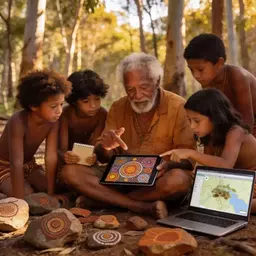
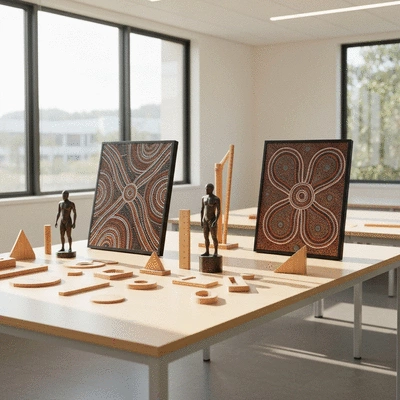
Visual storytelling can significantly enhance the way we engage with Aboriginal histories and cultures. Incorporating multimedia elements in educational contexts serves to:
- Illustrate Depth: Images, videos, and art can convey complexities that words sometimes cannot.
- Capture Attention: Engaging visuals attract interest, encouraging deeper exploration of Aboriginal culture.
- Facilitate Learning: Different formats cater to diverse learning styles, making education more accessible and impactful.
At the Aboriginal Centre, we utilize various multimedia resources to enrich our programs and allow for a more immersive learning experience.
Supporting Indigenous Rights Through Education and Advocacy
Education is a powerful tool for change. Supporting Indigenous rights through advocacy not only raises awareness but also fosters a sense of responsibility among non-Indigenous Australians. Here are some ways we can contribute:
- Promote Aboriginal Voices: Elevate Indigenous perspectives in discussions, policy-making, and educational materials.
- Engage in Advocacy: Participate in campaigns that support Indigenous rights, land restitution, and cultural preservation.
- Educate Others: Share knowledge with friends, family, and community members to foster a culture of understanding and respect.
By actively engaging in these efforts, we help create a more equitable society that values and respects Indigenous peoples and their rights.
Building a Future of Understanding and Respect
As we look towards the future, it is vital to consider how we can contribute to a society that genuinely values and respects Aboriginal culture. What steps can we take to ensure that understanding and respect are at the forefront of our interactions?
How We Can Support Recovery and Cultural Revitalization
Supporting recovery and cultural revitalization is essential for healing and empowerment. Here are some ways to contribute:
- Invest in Cultural Programs: Support initiatives that promote Indigenous arts, languages, and cultural practices.
- Participate in Cultural Events: Attend and engage in local festivals and gatherings that celebrate Aboriginal heritage.
- Advocate for Policy Changes: Support policies that prioritize Indigenous rights and cultural recognition.
By taking proactive steps, we can contribute to the revitalization of Aboriginal cultures, ensuring that they thrive for generations to come.
Encouraging Dialogue and Education on Aboriginal History
Creating spaces for open dialogue about Aboriginal history fosters understanding and respect. Encouraging discussions may include:
- Organizing Workshops: Facilitate workshops that educate participants about Aboriginal history and culture.
- Hosting Community Forums: Create platforms for discussion where all voices, especially Indigenous ones, can be heard.
- Developing Educational Resources: Promote the creation and dissemination of educational materials that reflect Aboriginal perspectives.
These avenues not only enhance awareness but also help dismantle stereotypes and foster genuine connections.
Exploring Sovereignty Movements and Their Importance
Understanding the significance of sovereignty movements is vital as they are fundamental to Aboriginal identity and rights. Engaging with these movements allows us to:
- Recognize Land Rights: Acknowledge the historical and ongoing claims to land and resources by Indigenous peoples.
- Support Self-Determination: Advocate for the rights of Aboriginal communities to make decisions regarding their cultural, social, and political futures.
- Promote Unity: Encourage solidarity among all Australians in recognizing and respecting Indigenous sovereignty.
By exploring these movements, we contribute to a broader understanding of the struggles and aspirations of Aboriginal peoples. For a deeper dive into how traditional knowledge is preserved, read our article on Digital Strategies for Aboriginal Heritage.
Frequently Asked Questions (FAQs)
- What were the immediate impacts of European colonization on Aboriginal societies?
- Immediate impacts included displacement of communities, introduction of foreign diseases, violent resistance, and disruption of trade and social networks.
- How did colonial policies affect Aboriginal land rights?
- Colonial policies, such as the doctrine of terra nullius and various Land Acts, facilitated the systematic dispossession of Aboriginal peoples from their traditional lands, denying their inherent rights.
- Why is acknowledging historical injustices important for reconciliation?
- Acknowledging historical injustices validates the suffering of Indigenous peoples, creates a foundation for genuine dialogue, fosters healing, and empowers Indigenous voices, leading to greater understanding and respect.
- What role do oral histories play in preserving Aboriginal culture?
- Oral histories are crucial for preserving cultural knowledge, customs, and beliefs, facilitating personal connections to the past, and supporting the cultural continuity of Aboriginal practices for future generations.
- How can individuals support the recovery and cultural revitalization of Aboriginal communities?
- Individuals can support by investing in cultural programs, participating in cultural events, advocating for policy changes that prioritize Indigenous rights, and promoting education on Aboriginal history and perspectives.
Recap of Key Points
Here is a quick recap of the important points discussed in the article:
- European colonization profoundly disrupted Aboriginal societies, leading to displacement, conflict, and loss of traditional practices.
- Colonial policies, including the doctrine of terra nullius, facilitated systematic dispossession of Aboriginal lands and rights.
- The impacts of colonization extend beyond immediate violence, affecting generations through cultural and social fragmentation.
- Acknowledging historical injustices is crucial for fostering dialogue, reconciliation, and empowering Indigenous voices.
- Engaging with Aboriginal perspectives through oral histories and multimedia enhances understanding and respect for their culture.
- Supporting cultural revitalization and advocating for Indigenous rights are essential steps toward healing and empowerment.