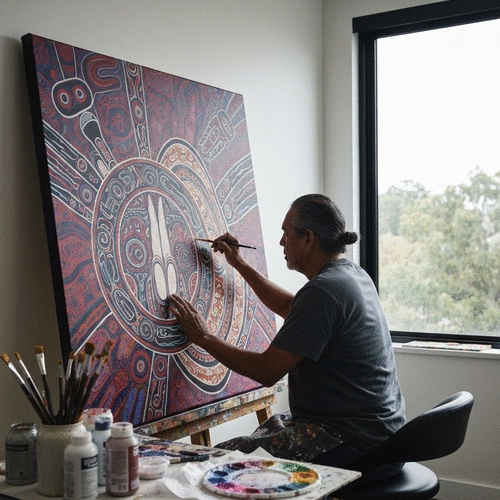
How can a single piece of art tell a story that spans thousands of years? Contemporary Aboriginal art serves as a powerful medium for cultural expression and narrative, urging us to reflect on the profound connections between identity, land, and heritage. Dive into the vibrant world of Aboriginal artistry and discover its significance.
What You Will Learn
- The evolution of Aboriginal art and its transition from traditional to contemporary forms.
- How a deep connection to ancestral lands influences the narratives within Aboriginal artworks.
- The importance of cultural representation and ownership in the context of Indigenous art.
- Ways to actively support and engage with contemporary Aboriginal artists and their stories.
The Journey of Contemporary Aboriginal Art
Delve into the evolution and impact of contemporary Aboriginal art, highlighting key movements, its connection to ancestral lands, and its vital role in cultural expression and recognition. To further understand the foundational elements of this art, explore understanding Aboriginal symbolism and stories.
Evolution of Modern Indigenous Art
- 1970s: Rise of Western Desert art (dot paintings).
- Global Stage: Art fairs & exhibitions elevate movements.
- Collaborations: Artists with museums & galleries.
Connection to Ancestral Lands
- Living Entity: Country's significance in culture.
- Dreamtime: Stories in motifs & symbols.
- Narratives: Artists share unique experiences.
Ongoing Cultural Expression & Recognition
- Healing: Art as medium for reconciliation.
- Preservation: Ancient traditions & innovation.
- Education: Promoting awareness of culture.
Support & Engagement: How You Can Help
- Learn: Visit websites, workshops, social media.
- Purchase: Galleries, online platforms, direct commissions.
- Engage: Support notable institutions (NGA, QAGOMA).
Understanding Contemporary Aboriginal Art: A Cultural Overview
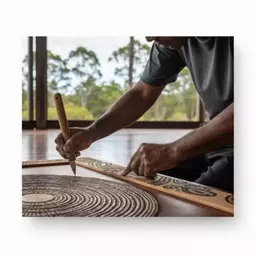
Contemporary Aboriginal art is a vibrant tapestry woven from the threads of history, culture, and identity. It serves not only as a form of artistic expression but also as a powerful medium for storytelling and cultural preservation. At the Aboriginal Centre, we explore how these artworks reflect the lived experiences and rich heritage of Aboriginal Australians and Torres Strait Islanders.
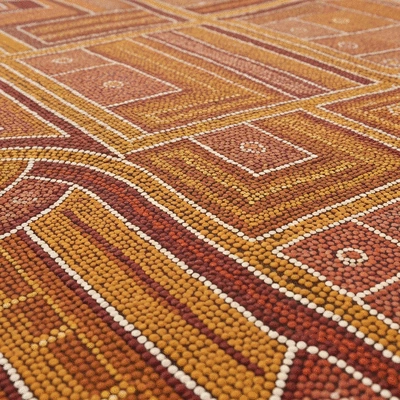
Over the years, we have witnessed a fascinating evolution in Indigenous art movements, transitioning from traditional forms to modern interpretations. This journey is deeply connected to the artists’ relationships with their ancestral lands, offering insights into their cultural identity and resilience. For a broader understanding of the historical context, delve into Aboriginal history: key events timeline.
Historical Evolution of Modern Indigenous Art Movements
The transformation of Aboriginal art began in the late 20th century, when artists started to challenge the perceptions of their culture. This shift was ignited by the desire to reclaim their narratives and assert their identities. The establishment of art centers and community organizations played a crucial role in fostering this newfound recognition and creativity.
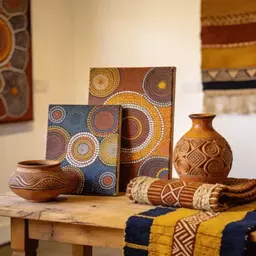
- The 1970s saw the rise of the Western Desert art movement, marked by vibrant dot paintings and ceremonial storytelling.
- The introduction of art fairs and exhibitions helped elevate these movements onto the global stage.
- Artists began collaborating with museums and galleries, further showcasing the depth of Aboriginal artistry.
As these movements gained momentum, they also sparked important discussions about cultural ownership and representation. At the Aboriginal Centre, we celebrate these conversations and the diversity they bring to contemporary art.
Connection to Ancestral Lands and Cultural Identity
For many Aboriginal artists, their work is an expression of their connection to the land. Each brushstroke often tells a story rooted in the deep ties to ancestral territories. This connection is not merely geographic; it embodies a spiritual bond that transcends generations. As we explore these themes, it’s essential to recognize how this relationship influences the narratives portrayed in their art.
- Land as a living entity: The significance of country in Aboriginal culture is profound.
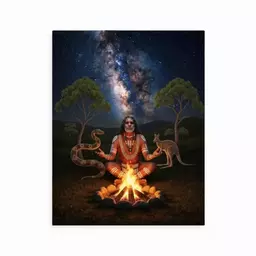
- Dreamtime stories: These ancient tales are often reflected in the motifs and symbols found in artworks.
- Personal narratives: Artists share their unique experiences and reflections through their creations.
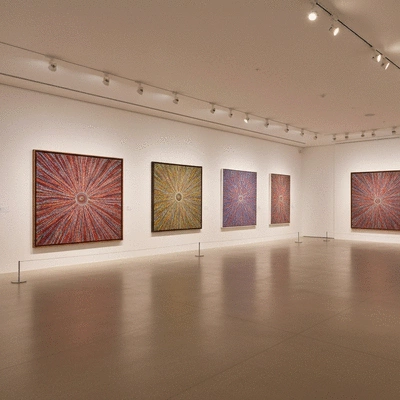
By understanding the importance of land in Aboriginal art, we can more deeply appreciate the cultural identity that permeates each piece. This perspective invites us to engage with the art on a level that honors its true meaning.
Quick Summary
Here's a brief recap of the key points discussed so far:
- Contemporary Aboriginal art is a rich blend of history, culture, and identity, serving as a vital medium for storytelling.
- The evolution of Indigenous art movements reflects a journey of reclaiming narratives and asserting cultural identities.
- Artists' deep connections to ancestral lands profoundly influence the narratives portrayed in their artwork.
Summarizing the Vital Role of Contemporary Aboriginal Art
Contemporary Aboriginal art is not just a collection of stunning visuals; it represents a powerful cultural expression that resonates deeply within and beyond Indigenous communities. As we reflect on its journey, we recognize that this art form serves as a vital conduit for storytelling, healing, and cultural continuity. Each piece is a testament to the rich heritage and ongoing struggle for recognition faced by Aboriginal peoples. How can we as a society better appreciate and support this vibrant narrative?
The impact of contemporary Aboriginal art extends beyond aesthetics; it invites dialogue on identity, land, and history. This art challenges us to engage with Indigenous worldviews and recognizes the importance of cultural representation. As a passionate advocate for Aboriginal culture, I see firsthand how these artists elevate their voices and stories through their work, creating an invaluable resource for all of us.
The Ongoing Journey of Cultural Expression and Recognition
As we celebrate the beauty of contemporary Aboriginal art, we also acknowledge the ongoing journey of cultural expression that it embodies. This journey is shaped by historical influences, resilience, and an unwavering connection to the land. The stories told through these artworks often highlight the struggles against colonization and systemic discrimination, making them a profound aspect of the broader Australian narrative.
- Art as a medium for healing and reconciliation
- Preserving ancient traditions while innovating new forms
- Engaging younger generations in the storytelling process
- Promoting awareness and education about Aboriginal culture
These elements not only enhance our understanding of contemporary Aboriginal art but also reinforce the significance of cultural recognition in fostering unity and respect. By supporting these artists, we contribute to a richer, more inclusive narrative that celebrates the diversity of Australia's heritage.
Encouraging a Deeper Appreciation of Indigenous Narratives
To truly appreciate contemporary Aboriginal art, we must delve into the meanings and stories behind the works. Each artist brings their unique perspective and experiences, shedding light on the profound connections between identity, culture, and land. This appreciation fosters a deeper understanding of the myriad social, political, and environmental issues that Indigenous communities face today. For those interested in acquiring art, understanding buying authentic Aboriginal art online is crucial.
- Engage with local Aboriginal art events and exhibitions
- Read literature and participate in discussions about Aboriginal history
- Support Indigenous-led initiatives and projects
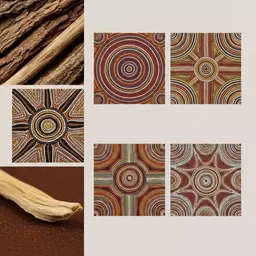
- Explore the significance of symbols and motifs in the artworks
By embracing these narratives, we not only enrich our own lives but also honor the voices and stories that have shaped Australia's identity for millennia.
Join the Movement: How You Can Support Contemporary Aboriginal Artists
If you're inspired by contemporary Aboriginal art and want to make a difference, there are several ways you can contribute to this vital movement. Whether you're an art collector, enthusiast, or simply someone who values cultural richness, your support can help empower Indigenous artists and ensure their stories continue to be told.
Resources for Learning and Engagement
At the Aboriginal Centre, we provide a wealth of resources aimed at fostering understanding and appreciation of Aboriginal culture and art. Engaging with these resources is a fantastic way to learn more and connect with the rich tapestry of stories that contemporary Aboriginal artists weave through their work.
- Visit our website for articles and educational materials
- Participate in workshops and community events
- Follow Aboriginal artists on social media to stay updated on their work
- Explore online courses focused on Indigenous art history and techniques
These resources empower you to delve deeper into the cultural narratives that shape the art and the artists themselves. I encourage you to take advantage of these opportunities!
Connecting with Galleries and Online Platforms for Art Purchase
Supporting contemporary Aboriginal artists is not just about appreciation; it also involves making a conscious choice to purchase their work. Many galleries and online platforms now feature the works of emerging and established Aboriginal artists, providing an excellent avenue to invest in their art while supporting their cultural expression.
- Explore local galleries that focus on Aboriginal art
- Check out reputable online platforms dedicated to Indigenous art sales
- Attend art fairs showcasing Aboriginal artists
- Consider commissioning work directly from artists
By choosing to purchase Aboriginal art, you help sustain the artists and their communities, fostering cultural vitality and continuity.
Showcasing Notable Institutions Supporting Aboriginal Art
Many institutions play a significant role in supporting and promoting contemporary Aboriginal art. These organizations not only provide platforms for artists but also contribute to education and awareness about Indigenous cultures.
- The National Gallery of Australia
- The Queensland Art Gallery | Gallery of Modern Art
- The Aboriginal Gallery of Dreaming
- Remote Indigenous art centres across Australia
By engaging with these institutions, you can further explore the rich diversity of Aboriginal art, connect with artists, and support their ongoing efforts in cultural expression and recognition.
Frequently Asked Questions About Contemporary Aboriginal Art
What is contemporary Aboriginal art?
Contemporary Aboriginal art refers to the artistic expressions of Aboriginal and Torres Strait Islander peoples from the late 20th century to the present day. It often blends traditional techniques, symbols, and narratives with modern styles and mediums, serving as a powerful means of cultural expression, storytelling, and identity preservation.
How does land influence Aboriginal art?
For many Aboriginal artists, their connection to ancestral lands is fundamental to their artwork. The land is considered a living entity and is often depicted through motifs, symbols, and stories that convey spiritual bonds, Dreamtime narratives, and personal experiences tied to specific territories. This connection is not merely geographic but deeply spiritual and cultural.
What is the significance of the "Dreamtime" in Aboriginal art?
"Dreamtime" (or The Dreaming) refers to the Aboriginal understanding of the world, its creation, and its continuing life. It encompasses the spiritual dimension of Aboriginal culture, including creation stories, ancestral beings, and moral laws. These stories are frequently expressed through symbols and narratives within Aboriginal art, making the artworks deeply meaningful and culturally significant.
How can I ensure I am buying authentic Aboriginal art?
To ensure authenticity, it's recommended to purchase from reputable sources such as established art galleries, Indigenous-owned art centers, or recognized online platforms that explicitly support Aboriginal artists. Look for artworks accompanied by certificates of authenticity and information about the artist and their community. Supporting ethical practices helps ensure artists are fairly compensated and cultural integrity is maintained.
How can I support contemporary Aboriginal artists?
You can support contemporary Aboriginal artists by purchasing their work from ethical sources, visiting exhibitions and galleries, engaging with educational resources (like websites, workshops, and community events), following artists on social media, and supporting institutions dedicated to promoting Indigenous art and culture (e.g., National Gallery of Australia, Queensland Art Gallery | Gallery of Modern Art).
Recap of Key Points
Here is a quick recap of the important points discussed in the article:
- Contemporary Aboriginal art serves as a powerful medium for storytelling and cultural preservation, reflecting the rich heritage of Aboriginal Australians and Torres Strait Islanders.
- The evolution of Indigenous art movements from traditional to modern interpretations highlights the artists' connections to their ancestral lands and cultural identity.
- Artworks often embody deep spiritual ties to land, with each piece telling unique stories rooted in Aboriginal culture and Dreamtime narratives.
- Supporting contemporary Aboriginal artists through engagement, education, and purchasing their work fosters cultural appreciation and recognition.
- Institutions play a vital role in promoting Aboriginal art and culture, providing platforms for artists and enhancing public understanding.