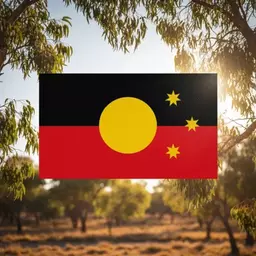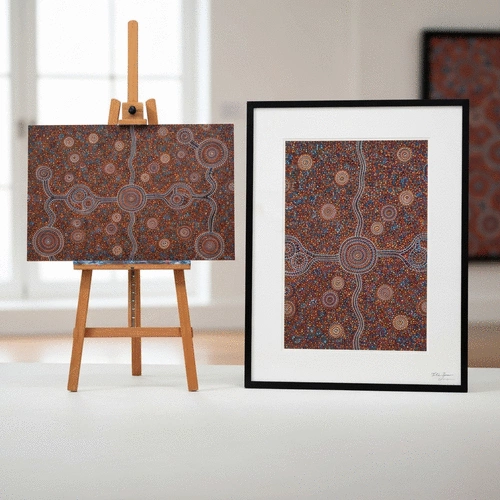
As you explore the intricate world of Aboriginal art, did you know that the artworks serve as profound narratives, connecting the viewer to the rich cultural heritage of Indigenous communities? This journey not only enhances your appreciation for the art but also deepens your understanding of the values embedded within it.
What You Will Learn
- Understanding Cultural Significance: Aboriginal art reflects deep connections to land, identity, and storytelling through Dreamtime narratives.
- Distinction Between Art Forms: Learn the differences between original artworks and prints, including their unique value and accessibility.
- Informed Investment Decisions: Gain insights into essential factors to consider when investing in Aboriginal art, such as budget, space, and cultural value.
- Ethical Sourcing Practices: Discover the importance of supporting Aboriginal artists and ensuring ethical practices in art collection.
- Art Appraisal Techniques: Familiarize yourself with steps to effectively appraise and value Aboriginal artworks in your collection.
- Current Trends in the Market: Stay updated on emerging artists and market preferences to enhance your investment strategy.
Aboriginal Art: Prints vs. Originals & Ethical Investment Insights
Delve into the key distinctions between Aboriginal art prints and original artworks, alongside essential guidelines for ethical sourcing and informed investment in this culturally rich domain. For a deeper understanding of the foundational elements of this art form, explore understanding Aboriginal symbolism and stories.
Original Artworks
- •Unique, one-of-a-kind pieces.
- •Reflect artist's individual expression.
- •Higher investment value potential.
Prints (Reproductions)
- •Reproductions of original pieces.
- •Wider accessibility and affordability.
- •Giclée prints offer high quality.
Collector Guidelines
- •Budget & Space considerations.
- •Cultural Value & Artist's Reputation.
- •Investment Potential.
Ethical Sourcing
- •Research the Artist & Reputable Sources.
- •Avoid Cultural Appropriation.
- •Support Community Initiatives.
Understanding the Essentials of Aboriginal Art Prints and Original Artworks
As we delve into the captivating world of Aboriginal art, it's essential to grasp what truly defines this form of artistic expression and its profound cultural significance. Aboriginal art isn’t just a visual feast; it embodies stories, traditions, and the deep connection to land and identity that Indigenous peoples have maintained for thousands of years. Each piece creates a dialogue between the artist and the viewer, inviting you to explore the rich tapestry of Aboriginal culture.
At the Aboriginal Centre, we strive to highlight these narratives through the art we showcase, helping our audience appreciate the intricate meanings embedded within each brushstroke. Have you ever pondered how these artworks reflect the values and beliefs of the communities they represent? Let's take a closer look!
What Defines Aboriginal Art and Its Cultural Significance?
Aboriginal art is a unique expression that often incorporates traditional symbolism and storytelling. It serves as a medium for artists to communicate their cultural heritage and personal narratives. Common themes include Dreamtime stories, connection to the land, and the importance of family and community. Understanding these elements not only enriches your appreciation of the art but also fosters respect for the diverse cultures it represents. To learn more about ethical considerations, you can read our article on understanding Aboriginal art and ethics.

- Dreamtime Stories: These narratives form the basis of spiritual and cultural identity.
- Community Connection: Many artworks reflect communal values and shared histories.
- Symbolism: Colors and patterns carry specific meanings and messages unique to each culture.
By engaging with these artistic expressions, we open ourselves to the broader context of Aboriginal identity and artistry, creating a richer understanding of Australia's heritage.
The Difference Between Prints and Original Artworks
When exploring Aboriginal art, you will encounter two primary forms: prints and original artworks. While both serve important roles in the art market, understanding their differences can help you make informed choices. Original artworks are typically unique pieces created directly by the artist, often showcasing their personal style and techniques.
- Original Artworks: These are one-of-a-kind pieces that reflect the artist's individual expression.
- Prints: These can be reproductions of original pieces, allowing for wider accessibility and affordability.
- Giclée Prints: High-quality reproductions that provide detail and color accuracy, often sought after by collectors.
In many ways, both prints and originals have their place in a collection. Prints offer accessibility, while originals can carry a deeper investment value. As you consider which option resonates with you, it’s essential to reflect on your personal connection to the art and its significance in your life.
Interactive Poll: Your Thoughts Matter!
As you explore the significance of Aboriginal art, we want to know: What aspect of Aboriginal art resonates with you the most?
Frequently Asked Questions About Aboriginal Art Investment
Here are some common questions about investing in Aboriginal art, covering key distinctions and ethical considerations:
- 1. What is the fundamental difference between Aboriginal art prints and original artworks?
- Original artworks are unique, one-of-a-kind pieces created directly by the artist, reflecting their individual expression. Prints are reproductions of original pieces, offering wider accessibility and affordability, with Giclée prints being high-quality reproductions.
- 2. Why is ethical sourcing important when collecting Aboriginal art?
- Ethical sourcing ensures that Aboriginal artists are recognized, respected, and fairly compensated for their work. It helps avoid cultural appropriation and supports community initiatives, contributing positively to Indigenous communities and their cultural heritage.
- 3. What factors should collectors consider when choosing between prints and originals?
- Collectors should consider their budget, the space available for display, the cultural value and significance of the piece, the artist's reputation, and whether the purchase is primarily for investment or personal enjoyment.
- 4. How can I ensure I am buying authentic Aboriginal art?
- To ensure authenticity, purchase from reputable sources like established galleries, art centers that reinvest profits into the community, and always research the artist's background and standing. Look for documentation of provenance.
- 5. What are Dreamtime stories in Aboriginal art?
- Dreamtime stories are narratives that form the spiritual and cultural identity of Aboriginal peoples. They are central themes in much Aboriginal art, communicating tradition, connection to the land, and the importance of family and community.
Making Informed Decisions When Investing in Aboriginal Art
Investing in Aboriginal art can be a rewarding journey, filled with cultural richness and personal significance. However, it’s crucial to approach this investment with a clear understanding of what you’re looking for. Whether you’re drawn to prints or original pieces, having guidelines can make a significant difference in your collection.
At the Aboriginal Centre, we emphasize the importance of education in your art investment journey. By being informed, you not only enhance your appreciation for the art but also ensure that your purchasing decisions reflect respect and authenticity. Let’s explore some guidelines to help you choose between prints and originals!
Guidelines for Collectors: Choosing Between Prints and Originals
When deciding whether to invest in prints or original artworks, collectors should consider a few key factors. Here's a helpful checklist to guide your decision:
- Budget: Determine how much you are willing to invest.
- Space: Consider where you will display the artwork and how it complements your existing decor.
- Cultural Value: Reflect on the significance of the piece and what it represents.
- Artist's Reputation: Research the artist’s background and their standing in the art community.
- Investment Potential: Think about whether you view the purchase as an investment or a personal enjoyment.
By following these guidelines, you can make informed decisions that resonate with both your aesthetic preferences and financial aspirations. Remember, every piece of art carries a story, and it's vital to choose works that speak to you personally!
Building a Sustainable Art Collection: Ethical Sourcing Considerations
As you embark on building your collection, it’s essential to consider the ethics behind art sourcing. Supporting Aboriginal artists and communities is a profound way to promote cultural heritage and sustainability. Here are some key considerations:
- Research the Artist: Ensure the artist is recognized and respected within their community.
- Purchase from Reputable Sources: Buy from galleries or platforms that prioritize ethical practices.
- Awareness of Cultural Appropriation: Understand the risks of appropriating Indigenous art and ensure your collection honors the culture.
- Support Community Initiatives: Consider buying from art centres that reinvest profits back into the community.
By adopting ethical sourcing practices, you not only enhance your collection but also contribute positively to the Aboriginal community. It’s about cherishing the narratives behind the pieces you choose! For tips on verifying authenticity, see our guide on identifying authentic Aboriginal art.
Understanding Art Investment Strategies for Aboriginal Art
Investing in Aboriginal art requires knowledge of specific strategies to maximize the value of your collection. Here’s a quick overview of effective art investment strategies:
- Art Appraisal: Seek professional appraisers to evaluate your artworks accurately.
- Market Research: Stay informed about current trends and auction results in the Aboriginal art market.
- Diversity: Build a diverse collection that includes both prints and originals from different artists.
- Networking: Engage with fellow collectors and attend art exhibitions to broaden your understanding.
As you embrace these strategies, remember that the art market can be unpredictable. However, a thoughtful approach allows you to cultivate a collection that is both valuable and meaningful.
How to Appraise and Value Aboriginal Artworks
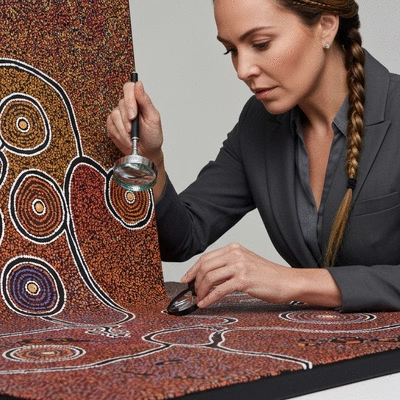
Understanding the appraisal process is vital for any art collector. Here are some steps to effectively appraise your Aboriginal artworks:
- Document Provenance: Keep all records of purchase and artist information.
- Consult Experts: Work with art appraisers who specialize in Aboriginal art.
- Assess Condition: Regularly check the condition of your artworks and note any necessary conservation steps.
- Evaluate Market Trends: Observe how similar pieces are priced in galleries and at auctions.
By following these steps, you’ll be able to accurately assess the value of your pieces, ensuring that your investment is sound and well-informed.
Collector Preferences and Trends in the Aboriginal Art Market
Keeping an eye on collector preferences and market trends can provide significant insights into your investment strategy. Here are some current trends to consider:
- Emerging Artists: Many collectors are turning their focus towards upcoming Aboriginal artists, seeking unique voices.
- Digital Presence: The rise of online galleries is making it easier to access a wider range of artworks.
- Community-Supported Art: Collectors are increasingly supporting initiatives that benefit Indigenous communities directly.
By staying attuned to these trends, you can align your collection with modern movements within the Aboriginal art sector, ensuring your investments remain relevant and impactful. For further guidance on acquiring art, consider buying authentic Aboriginal art online.
Recap of Key Points
Here is a quick recap of the important points discussed in the article:
- Aboriginal Art Definition: Aboriginal art is a unique expression that reflects cultural heritage and personal narratives through traditional symbolism and storytelling.
- Difference Between Prints and Originals: Original artworks are unique pieces created by the artist, while prints are reproductions that provide accessibility and affordability.
- Investment Guidelines: Consider budget, space, cultural value, artist's reputation, and investment potential when choosing between prints and originals.
- Ethical Sourcing: Support Aboriginal artists through responsible purchasing from reputable sources and be aware of cultural appropriation.
- Art Investment Strategies: Utilize art appraisal, market research, diversity in collection, and networking to maximize the value of your artworks.