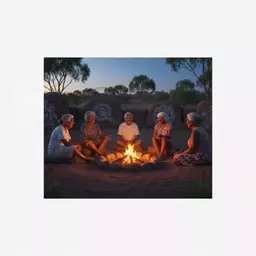
What if the stories of our ancestors could guide us in our modern lives? At the heart of Aboriginal culture lies Dreamtime, a concept that transcends mere storytelling to weave the fabric of identity, connection, and resilience. Here are the key takeaways you will gain from exploring this profound aspect of Aboriginal heritage.
What You Will Learn
- Dreamtime encapsulates the spiritual and cultural essence of Aboriginal identity, serving as a collective memory that connects past, present, and future.
- The concept of 'everywhen' highlights the cyclical and interconnected nature of time, shaping the Aboriginal worldview and influencing community practices.
- Key creation stories, like The Rainbow Serpent, emphasize respect for nature and the importance of community relationships, conveying vital life lessons.
- Respectful engagement with Aboriginal culture involves active listening, seeking permission to share stories, and supporting Indigenous voices to enhance cultural understanding.
Dreamtime Concepts: Understanding Aboriginal Worldview
The Aboriginal worldview is rich with interconnected concepts that shape cultural practices and identity. Below is a visual representation of key Dreamtime elements, highlighting their definitions and significance.
What is Dreamtime?
Represents the time of creation when ancestral beings shaped the world and established governing laws. It is the essence of Aboriginal culture, a living narrative connecting past, present, and future.
The Concept of 'Everywhen'
A cyclical and interconnected view of time where past, present, and future converge. The past is ever-present, influencing current actions and decisions, maintaining ancestral connection.
Spirituality & Sacred Stories
Dreamtime stories are sacred narratives, often shared in ceremonies, honoring ancestors and their teachings. They are dynamic and provide moral guidance for contemporary contexts.
Connection to Land
Narratives are deeply tied to specific places, reinforcing land's significance as a living entity. This connection emphasizes respect and harmony with the natural environment.
Community Identity
Stories foster belonging and strengthen ties to family and community. They are foundational to individual and collective identity, providing a sense of shared heritage.
Understanding Dreamtime: The Heart of Aboriginal Culture
Dreamtime is not just a concept; it's the very essence of Aboriginal culture. It represents the time of creation when ancestral beings shaped the world and established the laws that govern our existence. This rich tapestry of stories, teachings, and rituals forms the backbone of Aboriginal identity, connecting past and present in a profound way. At the Aboriginal Centre, we aim to shed light on these vital narratives, helping everyone understand their significance and ongoing relevance.

Essentially, Dreamtime serves as a collective memory for Indigenous peoples, encapsulating their spiritual beliefs, cultural practices, and connection to the land. Within this framework, every story told is a thread in the larger narrative of life, emphasizing the importance of respect, harmony, and the interconnection of all living things. To learn more about the broader context of these traditions, explore Aboriginal Cultural Heritage Explained.
Defining Dreamtime and Its Cultural Significance
So, what does Dreamtime truly mean? At its core, it refers to the period of creation, but it also exists as a present reality. Aboriginal people live in a state of 'everywhen,' where past, present, and future converge. This perspective allows for an understanding of life that transcends linear time and emphasizes the continuity of existence.
- Spirituality: Dreamtime stories are sacred, often shared during ceremonies, honoring the ancestors and their teachings.
- Connection to land: The narratives are deeply tied to specific places, reinforcing the significance of land as a living entity.
- Community identity: These stories foster a sense of belonging among Aboriginal people, strengthening ties to family and community.
By engaging with Dreamtime, we open ourselves to the rich layers of Aboriginal culture, understanding the vital role these stories play in shaping identities and community practices.
Exploring the Concept of 'Everywhen' in Aboriginal Worldview
The idea of 'everywhen' is fascinating and essential to grasping the Aboriginal worldview. It suggests that time is cyclical and interconnected, rather than linear. In this context, the past is not forgotten but is always present, influencing current actions and decisions. This perspective allows Aboriginal communities to maintain a profound connection with their ancestors and their teachings.
- Living Narratives: Stories from Dreamtime are not simply historical accounts; they are dynamic and can be retold in contemporary contexts.
- Lessons for Today: Teachings from these stories provide guidance on moral and ethical behavior, fostering a sense of responsibility towards others and the environment.
- Community Resilience: Embracing 'everywhen' aids communities in navigating challenges, drawing strength from ancestral knowledge.
As we delve into these concepts at the Aboriginal Centre, we hope to illuminate how understanding 'everywhen' can enrich our appreciation of the Aboriginal experience and the broader human experience.
The Creation Stories: Ancestral Spirits and Their Impact
The creation stories are the heart of the Dreamtime, filled with rich symbolism and teachings that continue to resonate today. These narratives tell of ancestral spirits who shaped the land, established the laws of nature, and provided a framework for Aboriginal life. At the Aboriginal Centre, we explore these important narratives to foster a deeper understanding of Aboriginal culture and identity.

As we engage with these stories, we see how they not only reflect the beliefs of Aboriginal peoples but also their intimate connection to the land and each other. By recognizing the impact of these creation stories, we can appreciate the inherent wisdom they carry for all of us. This deep connection is also evident in understanding Aboriginal symbolism and stories, which further elucidates the cultural depth.
Key Aboriginal Creation Narratives and Their Meanings
Every Aboriginal community has unique creation stories, each rich with meaning and lessons. Here are a few key narratives that stand out:
- The Rainbow Serpent: A foundational tale representing fertility, water, and the life-giving forces of nature.
- The Magpie and the Goolari: A story illustrating the importance of relationships and cooperation within the community.
- The Seven Sisters: A narrative that explores themes of sisterhood, resilience, and connection to the land.
These tales not only teach about the world but also emphasize the values that are integral to Aboriginal identity, encouraging us all to reflect on our own connections to nature and community.
The Rainbow Serpent: A Foundational Tale
The Rainbow Serpent is one of the most recognized Aboriginal creation stories, revered across many communities. This powerful being is often depicted as a giant serpent that created rivers, mountains, and life itself. The story teaches respect for the land, highlighting the importance of water and the natural world.
Regional Variations in Dreamtime Stories: Yolŋu, Noongar, and Koori Perspectives
While many creation stories share common themes, they also reflect the diverse cultures and languages of different Aboriginal groups. For example:
- Yolŋu Creation Stories: Focus on the significance of the land and its resources, often emphasizing relationships with sea and sky.
- Noongar Narratives: Highlight the importance of flora and fauna, embedded in their connection to seasonal changes.
- Koori Tales: Often feature stories of ancestors who navigated the land and created sacred sites.
By exploring these regional variations, we gain insight into the unique perspectives and values of Aboriginal peoples, reminding us of the vibrant diversity within Aboriginal culture.
We Want to Hear From You!
How has learning about Dreamtime and Aboriginal culture influenced your perspective on community and identity? Share your thoughts below:
Frequently Asked Questions About Dreamtime
What is Dreamtime?
Dreamtime is the central concept in Aboriginal culture representing the period of creation when ancestral beings shaped the world, established laws, and forms the spiritual and cultural essence of Aboriginal identity, connecting past, present, and future.
What does 'everywhen' mean in the Aboriginal worldview?
'Everywhen' refers to a cyclical and interconnected view of time where past, present, and future converge. It means the past is always present, influencing current actions and decisions, and maintaining ancestral connection, rather than a linear progression of time.
What is the significance of creation stories like The Rainbow Serpent?
Creation stories like The Rainbow Serpent are sacred narratives that tell how ancestral spirits shaped the land, established natural laws, and provided a framework for Aboriginal life. The Rainbow Serpent specifically represents fertility, water, and life-giving forces, teaching respect for nature and interconnectedness.
How can I respectfully engage with Aboriginal culture?
Respectful engagement involves actively listening to Aboriginal voices, seeking permission before sharing stories or cultural elements, supporting Indigenous artists and leaders, and reflecting on how to adapt lessons from Dreamtime to one's own life in an honoring way.
How does Dreamtime impact community identity?
Dreamtime stories play a crucial role in shaping community identity by connecting individuals to their roots and heritage. They foster belonging, strengthen family and community ties, and provide moral guidance and resilience through shared values and lessons passed down through generations.
Bridging Past and Present: The Ongoing Importance of Dreamtime
Dreamtime isn't just a concept from the past; it's a living part of Aboriginal life. At the Aboriginal Centre, we believe understanding Dreamtime is essential to appreciating Aboriginal culture today. By integrating its wisdom into our daily lives, we can foster a deeper connection to both the land and its people.
Every story and lesson from Dreamtime holds a key to understanding our shared humanity. Whether it’s teaching respect for nature or nurturing community ties, these stories guide us in making thoughtful choices today. So, how can we bring this ancient knowledge into our modern practices?
Integrating Dreamtime Wisdom into Everyday Practices
One way to embed Dreamtime wisdom into our lives is by embracing its teachings in various aspects of our daily routine. Here are some practical ways to do this:
- Mindful Interaction with Nature: Take time to appreciate the natural world around you. Whether walking in a park or gardening, reflect on how your actions impact the environment.
- Storytelling and Sharing: Engage with others by sharing Dreamtime stories. This can foster a sense of community and keep the narratives alive for future generations.
- Cultural Celebrations: Participate in local Aboriginal events or cultural festivals. These gatherings honor the stories and traditions that shape identity.
- Learning and Education: Seek out resources, like workshops or readings about Aboriginal culture, to enhance your understanding of Dreamtime and its relevance today.
By incorporating these practices into our lives, we can honor the wisdom of our ancestors while creating a more connected community.
Respectful Engagement with Aboriginal Culture and Knowledge
As we strive for understanding, respectful engagement with Aboriginal culture is paramount. It's important to approach this knowledge with an open heart and mind. Here are key principles to consider:
- Listening Actively: Pay attention to the voices of Aboriginal people. Their experiences and insights provide invaluable context for the stories and traditions.
- Seeking Permission: Always seek permission before sharing Aboriginal stories or cultural elements. This respect acknowledges the ownership of knowledge.
- Supporting Indigenous Voices: Amplify and support Aboriginal artists, educators, and community leaders. Their work is essential in keeping the culture vibrant.
- Reflecting and Adapting: Reflect on how you can adapt the lessons learned from Dreamtime to your own life in a way that honors its origins.
By engaging with Aboriginal culture respectfully, we not only enrich our own lives but also contribute to the preservation of these vital narratives.
The Impact of Ancestors and Legends on Community Identity
The stories of our ancestors play a crucial role in shaping community identity. They connect us to our roots and remind us of our heritage. At the Aboriginal Centre, we celebrate these legends as more than just tales; they're the foundation of our collective spirit.
Each story embodies values and lessons that resonate through generations. The influence of these narratives can be seen in various areas:
- Community Cohesion: Shared stories create bonds among community members, fostering a sense of belonging and unity.
- Identity Formation: The legends help individuals understand their place within the larger tapestry of their culture.
- Resilience and Strength: Stories of survival and triumph inspire strength and resilience in facing modern challenges.
By honoring our ancestors' stories, we uphold the values they imparted, ensuring that their legacy continues to guide us in our journey. For further insight into how these narratives empower communities, consider exploring Aboriginal Resistance: Stories of Strength.
Recap of Key Points
Here is a quick recap of the important points discussed in the article:
- Understanding Dreamtime: Dreamtime is a foundational aspect of Aboriginal culture, representing the time of creation and the ongoing connection between past, present, and future.
- Everywhen Concept: The Aboriginal worldview emphasizes 'everywhen,' where time is cyclical, allowing for a deep connection with ancestors and ongoing relevance of their teachings.
- Importance of Creation Stories: Creation stories, like The Rainbow Serpent and The Seven Sisters, are vital in shaping community identity and imparting essential values.
- Integrating Wisdom: Practical ways to incorporate Dreamtime wisdom include mindful interaction with nature, storytelling, cultural celebrations, and continuous education.
- Respectful Engagement: Approach Aboriginal culture with respect by listening actively, seeking permission, supporting Indigenous voices, and reflecting on personal adaptations of learned lessons.