What if understanding Aboriginal traditions could transform your perspective on cultural heritage? This article explores the intricate tapestry of Aboriginal stories, practices, and beliefs that continue to thrive today. By delving into these traditions, we not only honor the past but also pave the way for a more respectful future.
What You Will Learn
- Aboriginal traditions are deeply connected to the land, with each feature holding historical significance that shapes identity.
- Cultural resilience is evident as Aboriginal peoples adapt their traditions in response to colonial impacts while maintaining core values.
- Elders and knowledge keepers play a crucial role in preserving Aboriginal culture, serving as storytellers and guides for future generations.
- Cultural preservation fosters a sense of identity, community strength, and combats misconceptions about Aboriginal history.
Key Aspects of Aboriginal Traditions and Their Evolution
Aboriginal traditions are a rich tapestry of practices, beliefs, and stories. The visual below highlights their historical significance, the impact of colonialism, and the vital role of Elders in their preservation. Understanding these Aboriginal symbolism and stories is crucial for appreciating their depth.
Traditions and Historical Significance
Deeply rooted in land, community, and spiritual beliefs (Dreamtime), traditions like storytelling pass down knowledge and law, reflecting unique relationships with the environment.
- Connection to Land
- Community & Family Ties
- Spiritual Beliefs & Dreamtime
Colonial Impacts & Resilience
Disruption of traditional practices and land dispossession challenged Aboriginal culture, yet fostered remarkable resilience and adaptation.
- Loss of Land & Disruption
- Cultural Resilience & Adaptation
- Revival Movements
Elders & Knowledge Keepers
Custodians of wisdom, Elders are crucial for passing down heritage, maintaining protocols, and advocating for rights and recognition.
- Storytellers & Teachers
- Guides in Ceremonies
- Advocates for Rights
Understanding Aboriginal Traditions in a Modern Context
Aboriginal traditions are a vital part of Australia's cultural heritage, weaving together stories, practices, and beliefs that have been passed down through generations. These traditions are not just relics of the past; they hold immense historical significance and continue to shape the identity of Aboriginal Australians today. Understanding these traditions is essential for fostering respect and appreciation for the rich tapestry of Indigenous culture.
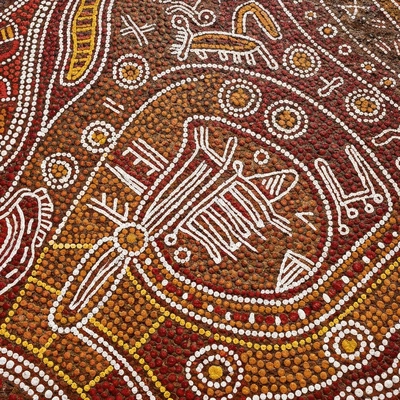
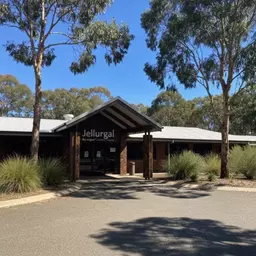
At the Aboriginal Centre, we strive to illuminate the depth of these traditions, showcasing their relevance in today’s ever-changing world. From spiritual practices to storytelling, each element plays a crucial role in maintaining connections to land, ancestors, and community.
What are Aboriginal Traditions and Their Historical Significance?
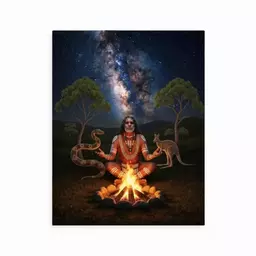
Aboriginal traditions encompass a wide range of practices, from art and music to ceremonies and rituals. These practices are deeply rooted in the land and reflect the unique relationship Aboriginal peoples have with their environment. Each tradition carries historical significance, often reflecting the beliefs and values of the community. For instance, the practice of storytelling is not only a means of entertainment but also a way to pass down knowledge and law. For a deeper dive into the historical background, explore Aboriginal history: key events timeline.
- Connection to Land: Aboriginal traditions emphasize a profound connection to the land, where every mountain, river, and tree tells a story.
- Community and Family: Many traditions reinforce the importance of family structures and community ties, ensuring that cultural values are upheld.
- Spiritual Beliefs: Spirituality is woven into daily life, influencing art, dance, and ceremonies that are often tied to the Dreamtime.
Understanding these aspects helps to appreciate how Aboriginal peoples view their place in the world, offering insights into their resilience and adaptability through time.
How Colonial Impacts Have Shaped Aboriginal Culture
The arrival of colonizers drastically altered the landscape of Aboriginal life. The disruption of traditional practices and the introduction of foreign systems challenged Aboriginal peoples to adapt while striving to preserve their cultural essence. Despite the hardships faced, Aboriginal peoples have shown remarkable resilience, adapting their traditions to navigate modern contexts while retaining core values.

- Loss of Land: The dispossession of land disrupted cultural practices, leading to a shift in how traditions were expressed.
- Cultural Resilience: Many communities have found innovative ways to maintain their culture, blending traditional practices with contemporary influences.
- Revival Movements: Today, there is a strong movement among Aboriginal peoples to revive and celebrate their traditions, reclaiming narratives and practices that were once suppressed.
These adaptations serve as a testament to the strength and resilience of Aboriginal culture, highlighting the ongoing journey of survival and revival against the backdrop of colonial history.
The Role of Elders and Knowledge Keepers in Preserving Cultural Heritage
Elders and knowledge keepers are the custodians of Aboriginal culture, possessing invaluable wisdom that is essential for the survival of traditions. They play a pivotal role in teaching younger generations about their heritage, ensuring that cultural practices are passed down with respect and authenticity.
- Storytellers: Elders often act as storytellers, sharing the history and teachings of their people through oral traditions.
- Guides: They serve as guides in ceremonies, helping to maintain the proper protocols and significance of cultural practices.
- Advocates: Elders often advocate for the rights and recognition of Aboriginal peoples, ensuring their voices are heard in contemporary discussions about culture and identity.
By honoring the role of Elders, we recognize the importance of their contributions to preserving and enriching Aboriginal culture, fostering a deeper understanding of identity within the Aboriginal Centre and beyond.
We Want to Hear From You!
What do you think about the importance of preserving Aboriginal traditions in modern society? Share your thoughts below:
Frequently Asked Questions About Aboriginal Traditions
What is the significance of Aboriginal traditions today?
Aboriginal traditions are vital for understanding the rich cultural heritage of Australia, shaping the identity of Aboriginal Australians, and fostering respect and appreciation for Indigenous culture. They are not just historical relics but living practices that connect people to land, ancestors, and community.
How have colonial impacts affected Aboriginal traditions?
Colonialism drastically disrupted traditional practices and led to land dispossession. However, Aboriginal peoples have demonstrated remarkable resilience, adapting their traditions while retaining core values and initiating revival movements to reclaim their narratives and practices.
What role do Elders and knowledge keepers play in preserving Aboriginal culture?
Elders and knowledge keepers are crucial custodians of Aboriginal culture. They pass down invaluable wisdom, share history and teachings through storytelling, guide ceremonies to maintain cultural protocols, and advocate for the rights and recognition of Aboriginal peoples.
Why is cultural preservation important for Aboriginal communities?
Cultural preservation is essential for maintaining the integrity and identity of Aboriginal peoples. It fosters a sense of identity and belonging, educates others about Aboriginal history to combat stereotypes, and strengthens community ties through shared practices and ceremonies.
How can I support Aboriginal communities and their traditions?
You can support Aboriginal communities by purchasing Indigenous art directly from artists, participating in cultural workshops led by Aboriginal community members, advocating for policies that protect Aboriginal land rights and cultural heritage, and engaging with Indigenous education programs and tourism initiatives.
Conclusion: The Future of Aboriginal Traditions
As we reflect on the importance of Aboriginal traditions, it's clear that cultural preservation matters more than ever in our modern society. The rich history and vibrant practices of Aboriginal peoples are not just relics of the past; they are crucial for understanding their contemporary identity and resilience. Recognizing the significance of these traditions fosters respect and appreciation, which are essential for harmonious coexistence in today's world.
By embracing these traditions, we not only honor the past but also contribute to a future where Aboriginal cultures can thrive. The knowledge passed down through generations serves as a foundation for the continued vitality of these communities. What can we do to support this vital heritage? Let's explore how we can make a difference!
Why Cultural Preservation Matters in Modern Society
Cultural preservation plays a significant role in maintaining the integrity and identity of Aboriginal peoples. By understanding and valuing their traditions, we help to ensure that these cultures are not lost to time. Here are a few key reasons why cultural preservation is essential:
- Identity and Belonging: For many Aboriginal Australians, traditions create a sense of identity and belonging, linking them to their ancestors and land.
- Education and Awareness: Preserving culture fosters awareness and education about Aboriginal history, helping combat stereotypes and misunderstandings.
- Strengthening Communities: Cultural practices and ceremonies strengthen community ties, creating resilient networks of support among Aboriginal peoples.
As we engage with these traditions, we foster a deeper connection and understanding of Aboriginal identity, which benefits everyone in our society.
How You Can Support Aboriginal Communities and Their Traditions
There are many ways to actively support Aboriginal communities and their efforts to preserve culture. Here’s how you can get involved:
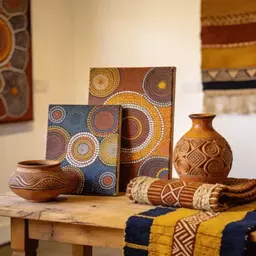
- Purchase Indigenous Art: By buying art directly from Aboriginal artists, you not only support their work but also contribute to the preservation of cultural practices. You can learn more about buying authentic Aboriginal art online.
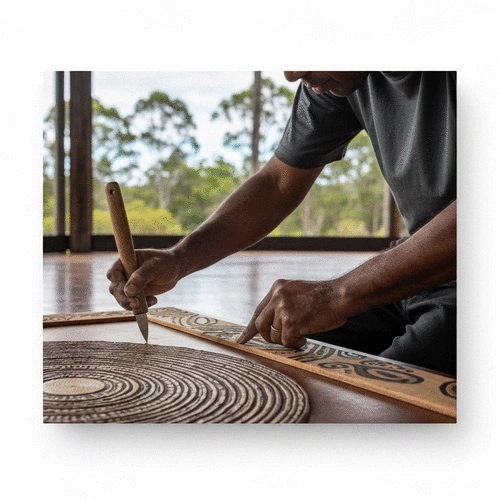
- Participate in Cultural Workshops: Engaging in workshops led by Aboriginal community members can deepen your understanding while providing economic support.
- Advocate for Indigenous Rights: Supporting policies that protect Aboriginal land rights and cultural heritage is crucial for their ongoing survival.
When we choose to support these communities, we’re taking part in a movement that respects and honors Aboriginal heritage. It’s a meaningful act that can create lasting change.
Engaging with Indigenous Education Programs for Cultural Understanding
Education is a powerful tool for fostering cultural understanding. By engaging with Indigenous education programs, you can gain insights into Aboriginal traditions and history. Here are some programs and resources to consider:
- Community Workshops: Local Aboriginal centres often host workshops that delve into cultural practices, storytelling, and art.
- School Programs: Many schools are incorporating Indigenous perspectives into their curriculum, creating opportunities for students to learn about Aboriginal culture.
- Online Resources: Platforms like the Aboriginal Centre offer valuable materials for those wishing to expand their knowledge of Aboriginal heritage and traditions.
These educational experiences not only enrich our understanding but also empower Aboriginal voices within the community.
Call to Action: Engage with Aboriginal Culture
Resources for Learning More About Aboriginal Traditions
If you're interested in learning more about Aboriginal traditions, there are countless resources available to you. Here’s a selection of informative avenues to explore:
- Books and Articles: There are many publications that delve into Aboriginal history, art, and social issues, providing rich insights.
- Documentaries and Films: Visual storytelling can bring Aboriginal culture to life, offering perspectives that deepen understanding.
- Cultural Centres: Visiting local Aboriginal centres, like the Aboriginal Centre, allows for direct engagement with culture and art.
These resources are not only informative but also a gateway to appreciating the depth of Aboriginal culture.
Ways to Participate in Cultural Events and Support Indigenous Artisans
Participating in cultural events is a wonderful way to experience Aboriginal traditions firsthand. Here are a few ways to get involved:
- Attend Festivals: Cultural festivals celebrating Aboriginal heritage often feature art exhibitions, performances, and workshops.
- Support Markets: Many communities host markets where you can purchase handmade items directly from Indigenous artisans.
- Join in Ceremonies: If invited, participating in ceremonies can be a profound way to connect with Aboriginal culture.
Engaging in these activities supports Aboriginal artisans and helps preserve their cultural expressions.
Exploring Indigenous Tourism and Its Impact on Cultural Representation
Indigenous tourism offers a unique way to experience Aboriginal culture while respecting its authenticity. It can have a positive impact on cultural representation when done thoughtfully. Here are some key aspects to consider:
- Community-Centric Initiatives: Look for tourism experiences run by Aboriginal communities that prioritize cultural education and sustainability.
- Respectful Engagement: Always approach Indigenous tourism with respect, focusing on understanding and learning rather than appropriating culture.
- Support Local Economies: Choosing to engage with Indigenous tourism helps support local economies and fosters cultural exchange.
By participating in Indigenous tourism, we contribute to the preservation of culture and promote a greater understanding of Aboriginal peoples.
Recap of Key Points
Here is a quick recap of the important points discussed in the article:
- Connection to Land: Aboriginal traditions emphasize the profound relationship between people and their environment.
- Cultural Resilience: Aboriginal peoples have adapted their traditions to modern contexts while retaining core values.
- Role of Elders: Elders serve as custodians of knowledge, ensuring cultural practices are preserved and passed on to younger generations.
- Cultural Preservation: Understanding and valuing Aboriginal traditions is crucial for promoting respect and awareness in contemporary society.
- Active Support: Engaging with Aboriginal culture through art, workshops, and advocacy contributes to the vitality and recognition of Indigenous heritage.