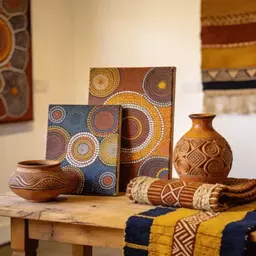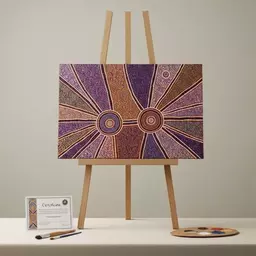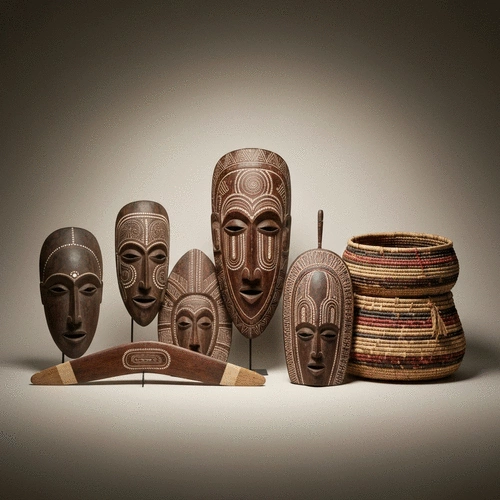
As we navigate the intricate world of Aboriginal culture, one cannot overlook the profound significance of symbols and artifacts. Each element encapsulates stories, traditions, and a deep connection to the land. This exploration reveals not just art, but a living narrative that binds communities together and preserves cultural heritage.
What You Will Learn
- Aboriginal symbols are vital for conveying cultural identity, connecting past and present stories.
- Each symbol, like the turtle and eagle feathers, carries deep meanings about protection, spirituality, and community.
- Dreamtime stories enrich the understanding of Aboriginal artifacts, revealing the spiritual and cultural narratives behind them.
- Ethical sourcing of Aboriginal art is essential to maintain cultural integrity and combat appropriation.
- Engaging with Aboriginal culture responsibly involves supporting Indigenous artists and understanding the significance of their work.
Aboriginal Symbolism: Meanings & Cultural Impact
This visual explores key Aboriginal symbols, their meanings, and their role in cultural preservation and community engagement.
Understanding Authentic Aboriginal Artifacts and Symbols
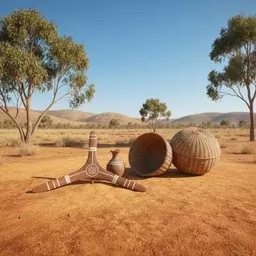
In the heart of Aboriginal culture lies a rich tapestry of symbols that convey deep meanings and stories. These symbols are not merely decorative; they serve as vital components in expressing cultural identity, sharing stories, and embodying spiritual beliefs. Through my experiences at the Aboriginal Centre, I've come to appreciate how these symbols resonate within Indigenous communities, weaving together threads of history, identity, and tradition. You can learn more about understanding Aboriginal symbolism and stories in depth.
The Importance of Aboriginal Symbols in Cultural Context
Aboriginal symbols are crucial in conveying cultural identity among Indigenous peoples. Each symbol tells a story, often linking the past with the present, and reflects the values and beliefs of the community. They can represent elements from nature, ancestral spirits, or significant life events, helping to keep traditions alive for future generations. In my work, I have witnessed how these symbols foster a sense of belonging and connection among community members.
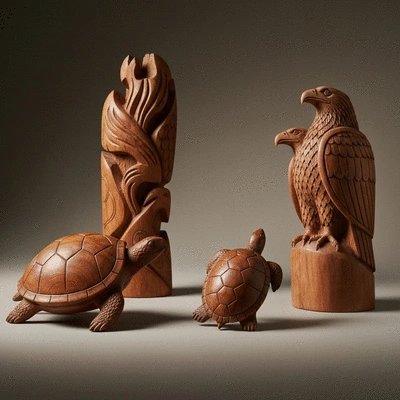
- Symbols act as visual storytelling tools.
- They provide insight into spiritual beliefs and practices.
- Each community has unique symbols that reflect their specific histories and environments.
By understanding these symbols, we gain a greater appreciation for the depth and richness of Aboriginal culture. They serve as a bridge between the past and the present, inviting everyone to participate in the ongoing narrative of Indigenous identity.
Key Aboriginal Symbols and Their Meanings
Delving into Aboriginal symbols reveals a world of significance and meaning. For instance, the turtle, eagle, and U-shapes are just a few of the many symbols that carry profound messages.
The Turtle: Symbol of Earth and Protection
The turtle is a powerful symbol in Aboriginal culture. It represents not only protection but also our deep connection to the Earth. The turtle's slow, steady nature reflects the importance of patience and resilience. In many communities, turtles are seen as guardians of the land, reminding us to honor and respect our environment.
Eagle Feathers: Spiritual Significance
Eagle feathers hold immense spiritual significance, often used in ceremonies to signify freedom and a connection to the spirit world. They embody strength and courage, representing the bond between the physical and the spiritual. In my experiences, I have seen how the gifting of eagle feathers can symbolize respect and recognition within the community.
U-Shapes and Circles: Community Connections
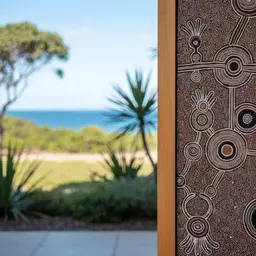
U-shapes and circles are rich with meaning, often representing people and their relationships to vital resources, such as waterholes. These shapes symbolize the interconnectedness of communities and the sustenance that nature provides. They serve as visual reminders of our reliance on one another and the environment for survival. For more insights into how these traditions are preserved, explore Aboriginal cultural heritage explained.
Exploring Dreamtime Stories and Their Impact
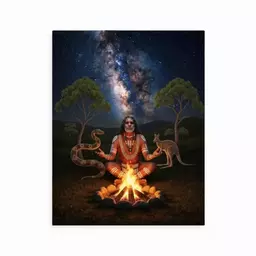
Dreamtime stories are integral to understanding Aboriginal artifacts, providing spiritual narratives that are interwoven with cultural practices. These stories not only explain the origins of the land and its people but also inform the creation of art. Through my work at the Aboriginal Centre, I have seen how these stories enhance our appreciation for artifacts, revealing the layers of meaning behind each piece.
Traditional Techniques in Aboriginal Art Creation
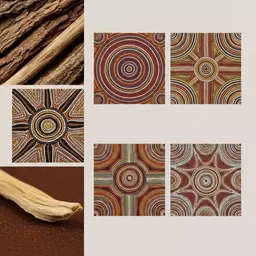
The creation of Aboriginal art is steeped in traditional techniques that reflect cultural heritage and authenticity. Indigenous artists utilize natural materials, such as ochre and bark, to create their works, preserving connections to the land. These methods not only show the skill of the artist but also reinforce the significance of cultural practices passed down through generations.

Ethical Sourcing of Aboriginal Artifacts: A Cultural Responsibility
As we explore Aboriginal art, it is essential to address the importance of ethical sourcing. Acquiring artifacts responsibly is vital for maintaining cultural integrity and respect for Indigenous communities. Unfortunately, the market is often flooded with fakes and replicas, making it challenging for collectors and enthusiasts to find authentic pieces.
Authenticity Verification: Ensuring Cultural Integrity
To ensure the authenticity of Aboriginal artifacts, it is crucial to verify their provenance and seek ethical certifications. This helps protect the cultural significance of the artifacts and supports Indigenous artists and communities. At the Aboriginal Centre, we emphasize the importance of educating our audience about how to discern genuine art from imitations.
Controversial Art Practices and Cultural Appropriation
Cultural appropriation in Aboriginal art raises significant concerns for Indigenous communities and artists. Appropriation often involves the unacknowledged or inappropriate use of cultural symbols, leading to a misrepresentation of their meanings. It is vital to engage with Aboriginal art responsibly, recognizing the importance of honoring the culture from which it originates.
Modern Relevance of Aboriginal Art in Today's Society
Aboriginal art continues to hold a significant place in contemporary culture, promoting awareness and respect for Indigenous histories. It serves as a powerful tool for dialogue, encouraging us to reflect on our understanding of identity and cultural heritage. Through exhibitions, workshops, and community engagement, we can support the evolution of Aboriginal art and its relevance in today's society. Find out more about understanding Aboriginal art symbols to deepen your knowledge.
Visual Storytelling: Enhancing Understanding through Art
Incorporating visuals, such as infographics and tables, can enrich the reader's experience while exploring the meanings of symbols across different tribes. By presenting this information visually, we can enhance understanding and appreciation for the diverse tapestry of Aboriginal culture, inviting readers to engage more deeply with the material.
We Want to Hear From You!
As we explore the significance of Aboriginal art and symbols, we’d love to know your thoughts! Which symbol resonates with you the most and why?
Preserving Cultural Heritage Through Art
At the Aboriginal Centre, we understand that Aboriginal art plays a vital role in cultural preservation. It's not just about beautiful artworks; it’s about safeguarding the stories, traditions, and identities of Indigenous communities. In today's fast-paced world, the implications of this preservation extend beyond the art itself, affecting both Indigenous peoples and collectors who seek to respect and celebrate this heritage.
Aboriginal art connects generations and serves as a living record of cultural practices, beliefs, and histories. It's a bridge between the past and present, inviting individuals to appreciate and engage with the rich tapestry of Aboriginal identity.
Community Engagement in Aboriginal Art Preservation
Community involvement is crucial in preserving cultural heritage. By supporting Indigenous artists, we not only promote their work but also foster a sense of pride within the community. Here are some key ways communities can engage:
- Workshops and Classes: Participating in or organizing art workshops allows for hands-on learning and sharing of traditional techniques.
- Art Exhibitions: Showcasing Aboriginal art at local events helps raise awareness and appreciation for Indigenous cultures.
- Collaborative Projects: Engaging in projects that combine contemporary and traditional Aboriginal art can nurture creativity and cultural exchange.
- Supporting Local Artists: Purchasing art directly from Indigenous artists ensures that the community benefits from the sale and promotes sustainable cultural practices.
As a passionate advocate for Aboriginal culture, I believe these actions not only uphold cultural integrity but also contribute to healing and reconciliation efforts within Australian society.
Engaging with Aboriginal Culture Responsibly
Engaging with Aboriginal culture comes with a responsibility to do so in a respectful and informed manner. As we explore the beauty of Aboriginal art, it’s essential to recognize the importance of ethical sourcing and the profound significance behind each piece.
By choosing to support Indigenous artists and authentic artworks, we contribute to cultural preservation while honoring the narratives they represent. This respectful engagement fosters understanding and appreciation—essential elements in building meaningful connections with Aboriginal communities.
Taking Action: Support Authentic Aboriginal Art
If you’re considering purchasing Aboriginal art, here are some impactful ways to ensure your support is ethical and respects cultural authenticity:
- Buy Directly: Whenever possible, purchase directly from Indigenous artists or reputable galleries that prioritize cultural integrity.
- Research Provenance: Verify the history and origin of the artwork to ensure it comes from authentic sources.
- Participate in Cultural Events: Attend events that promote Indigenous art and culture, as they often emphasize ethical practices.
- Spread Awareness: Share information about the importance of supporting Indigenous art, helping to educate others in the community.
FAQs: Your Questions on Aboriginal Art and Symbols Answered
To enhance your understanding of authentic Aboriginal artifacts and their cultural meanings, let’s address some common questions:
- What defines authentic Aboriginal art? Authentic Aboriginal art is created by Indigenous artists and reflects their cultural narratives, traditions, and techniques.
- How can I tell if an artwork is genuine? Look for provenances, such as certificates of authenticity and reputable galleries that support Indigenous artists. For further guidance, consider these tips for identifying authentic Aboriginal art.
- Why is ethical sourcing important? Ethical sourcing respects the cultural significance of the art, supports the creators, and helps combat cultural appropriation.
- What are Dreamtime stories? Dreamtime stories are spiritual narratives that explain the origins of the land, people, and culture, deeply influencing Aboriginal art.
- How do Aboriginal symbols convey identity? Symbols act as visual storytelling tools, linking past with present and reflecting community values, spiritual beliefs, and connection to the land.
By exploring these aspects of Aboriginal art, we can foster a deeper appreciation for its significance and contribute positively to cultural preservation.
Recap of Key Points
Here is a quick recap of the important points discussed in the article:
- Aboriginal symbols serve as visual storytelling tools, conveying cultural identity and spiritual beliefs.
- Key symbols like the turtle, eagle feathers, and U-shapes highlight the connection to the Earth and community.
- Understanding Dreamtime stories enhances appreciation for Aboriginal artifacts and their cultural significance.
- Ethical sourcing of Aboriginal art is crucial to maintaining cultural integrity and supporting Indigenous artists.
- Engaging with Aboriginal culture should be done responsibly, honoring the narratives behind each artwork.
- Community engagement, through workshops and exhibitions, plays a vital role in preserving Aboriginal cultural heritage.